Brian Reidy: Alternatives to grass silage make a lot of sense
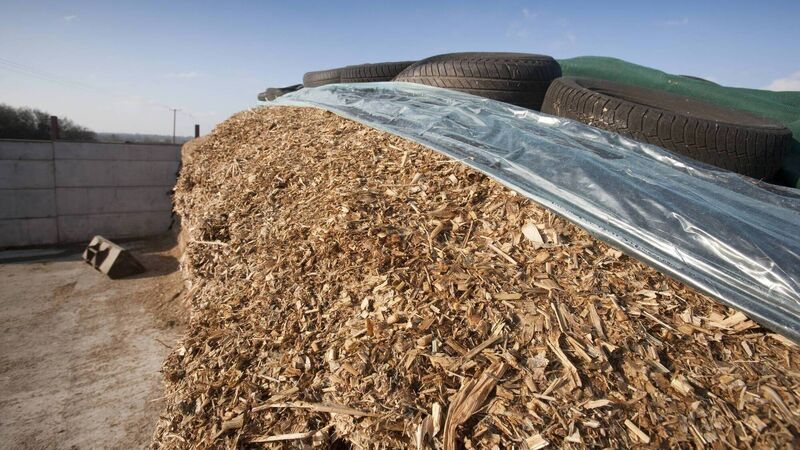
Crops such as maize silage and whole-crop cereals provide high DM and starch contents.

A few weeks back, I wrote about grass silage production and the significant cost increases for the coming season. This week, I will cover alternative forages, which for many beef and dairy producers will represent more efficient and cost-effective feeds for their system.
If anyone’s immediate reaction is that maize, whole crop and beet are too expensive, then you perhaps need to take the blinkers off and delve into what you actually get for your money.
After a very late spring for most, where turnout to grass started in late March in the southern half of the country, we must now start to look at next winter's forage supply. Grass growth has improved recently around the country, and this will hopefully result in plenty of silage being made this year.
And as we head towards the middle of April, our immediate attention will turn to grass silage production for winter 26/27. As we all know, grass silage is getting more and more expensive every year, and unfortunately, its quality can be variable depending on weather, cutting date and grassland management/reseeding policy.
Crops such as maize silage and whole-crop cereals provide high DM and starch contents. For many of my dairy customers, there has been a realisation over recent years that maize silage is better value and provides significantly better animal performance than grass silage-based diets.
In most cases, the necessity to feed extra maize to cows due to low yields of silage in recent years has opened their eyes to the huge merits of having more maize silage and perhaps less grass silage. Other alternative feeds such as fodder beet, sugar beet and potatoes are also excellent energy sources well worth considering, to improve feed efficiency on the farm.
The addition of a second forage source, along with grass silage to a beef finisher diet, will increase forage dry matter intake by between 10% and 15%. This will result in reduced concentrate inputs being required. Many are now considering the option of eliminating grass silage entirely from their finishing diets.
Maize silage produces very high-quality forage when grown in appropriate sites. It encourages high dry matter intakes and animal performance. Where target yield is achieved, the cost per tonne of dry matter and cost per 1,000 UFL is significantly less than that of grass silage.
Last year, 2025, proved to be an excellent year for maize growers and virtually every crop has tested and fed very well. There are no rotational constraints with maize, and it utilises slurry very well. Site selection, sufficient fertiliser, variety and weed control are critical factors in producing a successful crop of Maize.
Maize is not suitable in some areas of the country, so get the right advice before growing a crop to avoid disappointment.
Whole-crop cereals, similar to maize, offer the opportunity of improving the returns from beef production. Whole crop can be made from wheat, barley, oats and triticale. Producing a good-quality whole-crop means the crop must be grown as you would grow a crop destined for the combine.
As with all high DM forages, use a long, narrow and low pit and consolidate very well by constant rolling.
Fodder beet, sugar beet and potatoes are fantastic energy sources for milk and beef production. Most will not be in a position to grow beet themselves, but now is the time to book it from a local producer for next winter.
Beet can significantly boost performance in herds by promoting dry matter intakes, resulting in improved live weight gain, milk yield and reduced concentrate requirements. Compare concentrate costs per 1,000 UFL before agreeing on a price.
When comparing crops for feeding, the important figures are cost per tonne dry matter and, more importantly, the cost per 1,000 UFL of energy utilised.
Alternative forages provide a much more consistent quality product from year to year than grass silage. The technology is now there to help farmers produce these feeds on their farms.
Apart from that, the purchase of these alternatives from a specialised crop producer also remains a viable option in light of the ever-variable cost of concentrates. This option is becoming more common as stock numbers rise and specialised tillage producers have identified the need to produce forages for livestock producers.
Plan now for next winter and calculate tonnages required for the number of animals you will be feeding. More and more livestock producers are getting forages grown on contract. It makes a lot of sense to leave tillage experts grow these crops, especially if the alternative is producing silage of old grass swards and/or on land without maps!
- Brian Reidy is an independent ruminant nutritionist at Premier Farm Nutrition