Unsustainable farmgate prices causing egg shortages in shops, says IFA
IFA Poultry chair Brendan Soden said: 'We are now calling on retailers and packers to step up immediately and deliver a concrete response.'
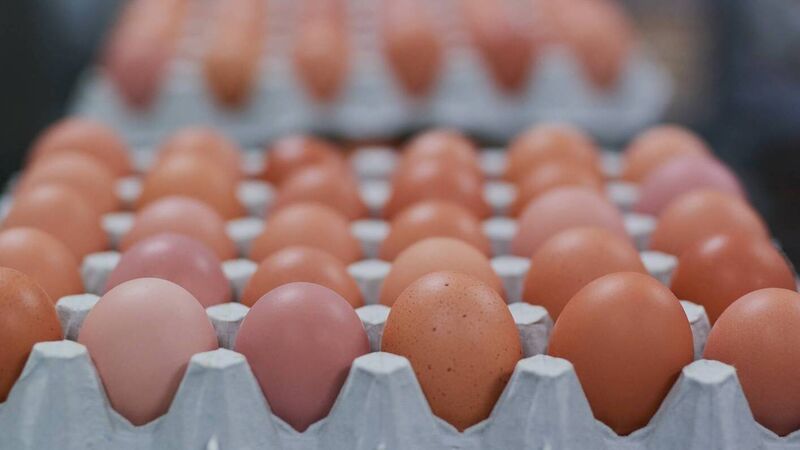
Egg shortages on supermarket shelves have occurred because producers are not getting paid enough, says the Irish Farmers’ Association (IFA).
IFA Poultry chair Brendan Soden said: “Producers have been warning retailers and egg packers that farmgate prices are not financially sustainable to meet growing demand.
“We have sought an increase of 2c an egg for free range & organic production and 1c an egg for barn eggs. This must be ringfenced and returned directly to all egg producers. Under the right financial conditions, they are more than willing to meet this growing demand for Irish eggs.
“This is not an excessive ask. It reflects cost increases since 2022; the erosion of premiums; and the widening gap between Irish and EU pricing,” he said.
Mr Soden continued: “What we are seeing is history repeating itself. The UK experienced this in 22/23 when shelves were left empty and rationing of eggs was introduced.
"Hopefully we don’t see rationing here. We’ve listened to a lot of excuses as to why there’s a shortage, but the simple fact is the demand is not being met.
"What we are now seeing on shelves is the direct consequence of continued inaction on farmgate pricing. Producers simply cannot sustain output at current returns.”
“We have put several proposals on the table which would give producers more confidence and financial stability, but this seems to have fallen on deaf ears.
"Egg production is a high-risk sector, with the threat of Avian Flu always in the background. Many free range producers (who are receiving little to no premium for free range) are weighing up whether the risk is worth it,” he said.
Concluding Mr Soden said: “We are now calling on retailers and packers to step up immediately and deliver a concrete response. With the right pricing structure in place, producers can address the supply constraints. Otherwise, the current issues will persist.”