Brian Reidy: Optimising profit from winter-fed stock
The prices being paid for advanced cattle in the marts continue to be very attractive and have given beef producers some decisions to make: sell now or continue to slaughter?

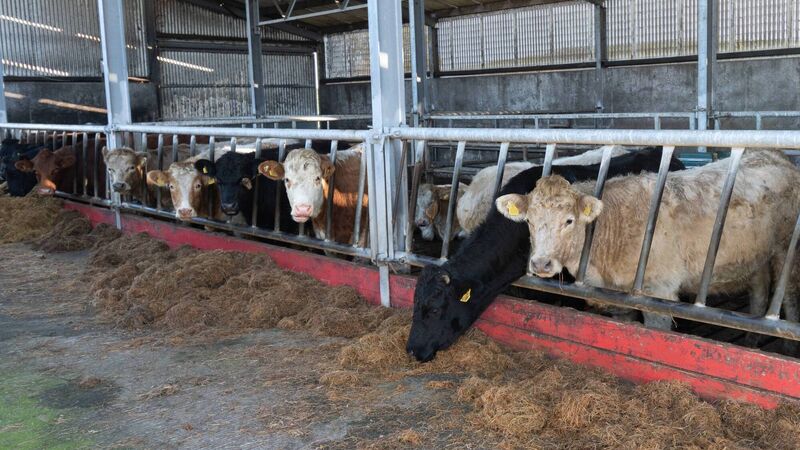
There are many cattle in sheds that are close to being finished after winter feeding. Most are now looking at the price of cattle in both the mart and the factories.
The prices being paid for advanced cattle in the marts continue to be very attractive and have given beef producers some decisions to make: sell now or continue to slaughter?
At the same time, factory prices have continued to come under pressure, despite the reduced kill. All indications based on cattle numbers are that supplies will remain tight for factory buyers for the foreseeable future.
What is the best thing to do? If cattle are to realise optimum profits, they must now be finished properly or moved on to specialised finishing units. What you do must be weighed up carefully from an economic point of view, based on additional costs to get cattle finished, the price at slaughter and what they would make in the mart right now.
On top of these, is the question of the volume and quality of feeds and forages available on the farm, along with the cost of balancing them correctly to achieve a finish on the stock.
If cattle are within five-six weeks of finish, they should not be turned out to grass. They should be brought to finish or sold. These cattle are now entering the final stages of finishing, where the profit margins are determined. Getting a good final finish on your cattle will decide your grade and pricing. This will depend on when they were housed last autumn, what weight they were then and the feeding programme they have been on since.
The natural growth cycle of any animal is to develop the skeletal system first, then increase muscle content and then finally lay down fat cover. Once the frame is developed, the amount of weight gain the animal achieves is determined by their sex, breed and genetic potential.
It is crucial the final finishing of an animal does not commence until the animal has been grown properly. It is very costly to start finishing cattle that are not ready to be pushed and are likely to have a growth spurt during this feeding, resulting in a delayed slaughter or a poor payment for an out-of-spec carcass.
Increasing the daily weight gain in the final weeks and months of finishing will increase the confirmation of the animal and the lean meat yield of the carcass. Sufficient fat cover also has a significant influence on the final conformation score and requires good energy content in the final stages, as it takes four times the energy to lay down 1kg of fat than it does 1kg of muscle.
When setting up a diet to achieve target weights, ensure the total diet has a high energy density and appropriate protein for the genetics being fed. These specifications are both breed and sex dependent.
Ensure the ration contains sufficient fibre to maintain rumen function and that there is clean fresh feed in front of the animals for 22 to 23 hours per day. Ideally, fresh feed should be provided every day to encourage intakes.
Any grass silages used to finish cattle need to be good quality, as poor quality forages really offer nothing to animal performance apart from providing a source of fibre.
However, a good quality forage can play a major role in reducing overall finishing costs. Ad-lib feeding of concentrates may be a more economical option for finishers if only poor silages are available.
Good-quality maize silage, whole crop cereals and beet provide excellent forage energy sources for finishers in conjunction with a balanced concentrate. Apart from the final finish for cattle this spring, it is worth planning crops and feeds for next winter, as they will be planted over the coming weeks or in the case of first cut silage, harvested in the next few months.
Purchase rations based on their energy content, discuss the ingredient order and then consider the protein requirement of the animals being fed and the forages to be balanced. Many finishers may introduce straight maize meal to their current concentrate as a means of achieving the final cover on cattle.
Water is such an important element to get right when you push up dry feeding for finishers. It should be clean and in plentiful supply.
It may be obvious, but do your cattle have enough space in the shed to achieve optimum performance when higher feed levels are supplied? They may have fitted fine on the day they were put in, but they have grown a lot since then. Can they all lie down, and can they get to their feed without having to walk all over their pen mates? Make sure ventilation is adequate, also.
- Brian Reidy is an independent ruminant nutritionist at Premier Farm Nutrition