Munster land prices soften in 2025 compared to rest of the country
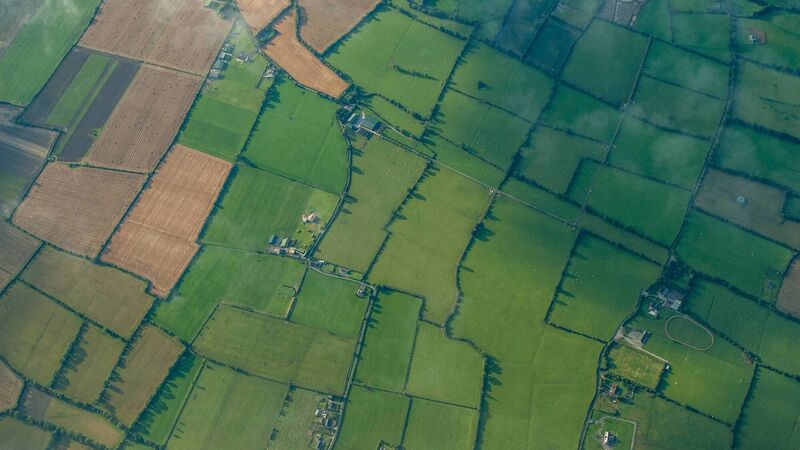
Munster land prices dropped by 6.2% in 2025
Land and lease prices increased during 2025 across the country, with Munster being the exception to the trend, dropping by 6.2%.
According to the latest Farming Report from the Institute of Professional Auctioneers and Valuers (IPAV) in 2025, there was keen competition from farming and non-farming sources, along with constrained supply, driving up land and leasing prices.
Munster was an exception in 2025 in the latter half of the year, with demand for land prices softening as a result of the milk price lowering, despite the region remaining as one of the strongest value land in the country.
In 2024, the average price per acre in Munster was €17,162 and dropped to €16,100 in 2025.
In 2024, the average price per acre in Connacht was €9,750; this increased to €10,667 in 2025. During the same period, Connacht average prices per acre rose from €12,625 to €13,667, and Leinster also rose from €16,529 to €17,333.
Nationally, the average price for an acre of agricultural grazing land rose to €14,442, up from €13,949 in 2024, representing annual growth of 3.5%.
In the rental market, con-acre rates continued an upward trend, averaging €287/acre, an increase of over 4%, while long-term grazing leases increased by 4.7% to €313/acre.
Tillage leasing land was making an average of €292/acre, slightly lower than the 2024 figures.
Forestry values also strengthened, with the average forestry per-acre price rising to €6,602 from €6,407, an increase of 3%, according to the IPAV report, despite ongoing challenges including extensive storm damage and continuing issues around licensing.
IPAV’s Land Survey suggests the market in 2026 will continue to see tight supply with the move from con-acre to longer leases restricting supplies and competition for well-located, high-quality parcels of land remaining intense.
IPAV’s Chief Executive, Genevieve McGuirk, said: “We’re clearly undergoing major social change, with retirement, fewer children farming, and economic pressures, particularly on smaller farms.”
“The continuing movement to longer-term leases from the con-acre system that previously dominated the market is particularly notable with an ever-increasing number of non-farming landowners leasing rather than selling,” she explained.
She said the appeal of tax incentives for landowners is clearly a big driving factor, encouraging and giving confidence to younger farmers who may not otherwise have access to land.
“It also facilitates other enterprises that need land. This is something policymakers should take on board in the housing market. Tax incentives work because they motivate rather than disincentivise property owners and developers,” Ms McGuirk said.
As is the norm with land and what it can deliver in terms of farm incomes, it’s wide open to global market volatility and changes in agricultural policy at EU level, she said. A much weaker dairy outlook is one such, with incomes forecast to drop by over 40%.
Looking ahead, most IPAV agents point to broad stability, with the direction of prices hinging on profitability, credit conditions, and policy/trade uncertainty.