Animal trade between Ireland and Northern Ireland to recommence
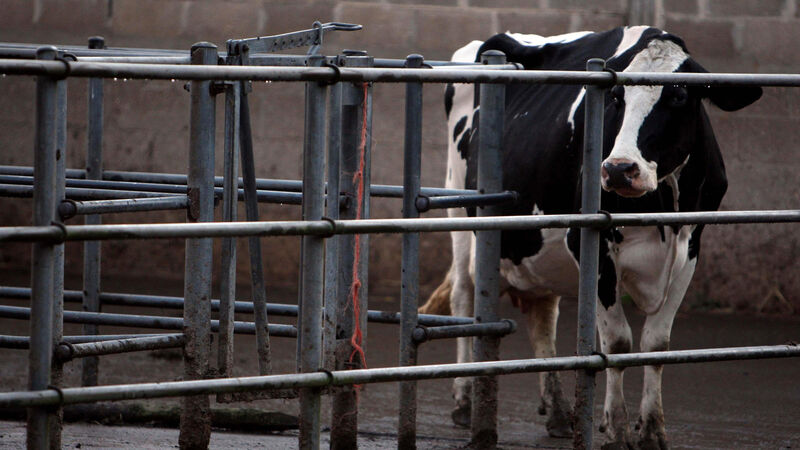
Cattle and sheep trade between Ireland and the North will resume on March 6.
Cattle and sheep trade between Ireland and Northern Ireland will recommence on March 6, 2026.
Minister for agriculture, Martin Heydon, and minister for agriculture, environment and rural affairs, Andrew Muir, announced that movement of cattle and sheep, for production and breeding, between Ireland and Northern Ireland can recommence from March 6.
Bluetongue is a viral disease affecting ruminant animals such as cattle and sheep. While it poses no risk to human health or food safety, it can have significant animal health and trade implications. There are multiple serotypes of the virus (1-30).
Since Ireland confirmed its first Bluetongue Virus Serotype 3 (BTV3) in January this year, only movements of cattle and sheep direct to slaughter have been allowed, as certification requirements could not be met.
Engagement has been ongoing between veterinary authorities in Ireland and Northern Ireland, and with the EU Commission, to establish a pathway to restore trade flows.
A derogation from certain certification requirements is being put in place, which will allow cattle and sheep to move with no restrictions from other member states where BTV3 is the only serotype present, as is the case in Ireland and Northern Ireland.
Under the terms of the derogation, movements of susceptible livestock (cattle, sheep, goats, camelids, cervids and other hoofed mammals) will no longer require any certification in relation to BTV when moving from other Member States where BTV3 is the only serotype reported.
For susceptible animals moving from Member States where serotypes other than BTV3 are reported, additional risk mitigation measures will be required.
There are two options:
- Vaccination and negative virus (PCR) pre-movement testing: or
- Positive antibody and negative virus (PCR) pre-movement testing.
These requirements help mitigate the risk of the introduction of other serotypes onto the island. However, farmers should remain aware of the disease situation on the continent and make informed decisions prior to importing susceptible livestock.
Announcing the measure, minister Heydon said: “I welcome the restoration of trade of cattle and sheep for breeding and production between Ireland and Northern Ireland. Since the first case of bluetongue was identified in Ireland, there has been a significant interruption to this cross-border trade. This trade is essential to the all-island agri-food economy.”
The minister continued, saying protecting animal health remains the department’s top priority, but that it was “essential that we minimise unnecessary disruption to farmers and the agri-food sector.”
Minister Muir said: “Protecting animal health remains paramount, but I recognise the significant disruption that trade restrictions have caused for farmers and the wider agri-food sector across both jurisdictions.
"This balanced and proportionate approach, developed in close collaboration with farming organisations and wider industry, will allow trade to resume while managing disease risk."
Minister Muir continued by urging farmers to source animals responsibly and to consider and consult with a veterinary practitioner regarding vaccination against BTV-3.
“The derogation will also enable removal of the BTV Temporary Control Zone (TCZ) in Co. Down at the same time permitting free movement within Northern Ireland,” minister Muir said.
The president of Irish Creamery Milk Suppliers Association (ICMSA), Denis Drennan, has welcomed the re-opening of trade in live cattle to Northern Ireland following the ministerial announcement.
“Trade to the North for breeding bulls, cattle for further feeding, cattle for slaughter and calves is an integral part of our live export trade, accounting for close to 50,000 cattle in 2025. The economic importance of this market is hugely significant for all farmers, and it cannot be underestimated in terms of its function in maintaining competitiveness in the marketplace for Irish cattle.
"The ICMSA continue to urge all farmers to be vigilant and on the lookout for signs or symptoms of the virus and encourages farmers to discuss the possibility of vaccinating herds in advance of the upcoming breeding season”, said Mr Drennan.
Irish Farmers’ Association (IFA) president, Francie Gorman has also welcomed the announcement.
He said the NI trade is a vital outlet for farmers, in particular in the northern half of the country. This announcement is timely given we are in the peak sales season for these animals.
The IFA president said the return of live exporters to mart rings from March 6 will give a renewed boost to the trade for all categories of animals.
“This agreed position with Northern Ireland has come about following intensive discussions between IFA and our colleagues in the UFU and very proactive engagement from the Department of Agriculture, who recognised the importance of this trade and the urgency in having it recommence,” he said.
IFA Animal Health chair, David Hall, said this agreed derogation for movements of feeding and breeding animals with Northern Ireland is a good example of close collaboration between the Department of Agriculture and farmers.
“It’s critical that farmers continue to monitor livestock closely and report any suspicious symptoms to their vet.
"It is also important that farmers continue to submit any deformed foetuses to their RVL for testing, as this information will play an important role in informing the extent of the disease in the country and the appropriate actions farmers may need to take with vaccinations,” he said.
Mr Hall also reminded farmers of the risks of importing animals from regions near countries in Europe that have other strains of BTV in circulation.
“We have BTV3 in the country, but we should continue to exercise caution in importing decisions to avoid introducing other strains of the disease to the country,” he concluded.