Traditional harvesters fear being squeezed out by industrial seaweed push
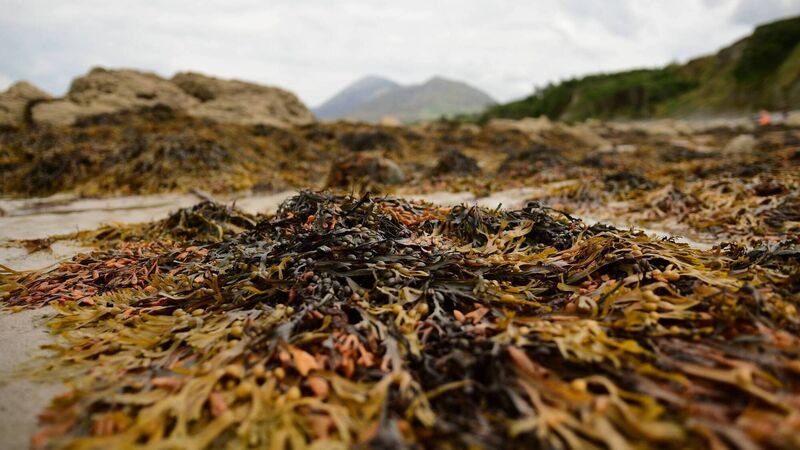
Generations of farmers have brought seaweed home over the years to fertilise the land, while others have availed of its therapeutic qualities to soothe stiff and painful bones.
Fears have arisen that industrial-scale harvesting of seaweed along the West coast would wipe out a core Irish tradition.
Generations of farmers have brought the crop home over the years to fertilise the land, while others have availed of its therapeutic qualities to soothe stiff and painful bones.
Seaweed is also used today as an ingredient in cosmetics, pharmaceuticals, fertilisers, organic food, and health supplements.
A roadmap to develop seaweed harvesting as a sustainable and profitable sector in the aquaculture sector was published by Bord Iascaigh Mhara (BIM) — the Irish Fisheries Board — in 2023.
There are currently 25 licensed seaweed farms in the State, located along the North-West, West, and South-West coastline.
However, there are growing concerns in coastal communities about moves to develop industrial-scale seaweed harvesting.
These fears have been raised in both houses of the Oireachtas and elsewhere, with calls being made on the Government to protect the rights of traditional local harvesters.
During a Dáil debate last month, Aontú TD for Mayo, Paul Lawless, said seaweed has a very important role to play in coastal erosion and helps areas to maintain their foreshore.
Galway West Sinn Féin TD Mairead Farrell, who has also raised the issue, said seaweed harvesting is a very sensitive topic.
Traditional harvesters had been given complete assurances that their rights would be protected, but there is serious concern that this is no longer the case.
She urged the Government to work with traditional harvesters as well as those with folio rights to ensure their rights are protected.
Fine Gael senator Manus Boyle, Donegal, speaking in the Seanad, called for a discussion with the relevant minister “because we have foreign multinationals coming in here” intending to harvest large quantities of seaweed along the West coast.
He said seaweed forests are a living infrastructure. They protect the shoreline and homes from coastal erosion, provide necessary grounds for fish and marine species, and support biodiversity above and below the waterline.
“Removing wrack at an industrial scale risks disabling this fragile system,” he said, noting that overfishing in Ireland's exclusive economic zone by other countries has contributed to a massive decline in the Irish fishing industry.
Mr Boyle said small operators who have built their business on a respectfully measured approach to harvesting seaweed must be protected and consulted.
Seanad leader senator Sean Kyne (FG) said he was familiar with this issue in Connemara.
“There are historical rights, and there is great attachment among those harvesters to the harvesting of seaweed,” he said, adding that he will request a debate with minister of state Timmy Dooley on that matter.
Galway West Fianna Fáil TD John Connolly also recently asked social protection minister Dara Calleary in the Dáil if he will include seaweed harvesting for a bespoke social protection scheme.
The minister said he was satisfied with the current arrangements and did not intend to introduce a bespoke social welfare scheme for seaweed harvesting.
Sectoral supports for the seafood industry, including seaweed harvesting, is a matter for the minister for agriculture, food, and marine, he said.
In a more recent reply to Donegal Sinn Féin TD Pádraig McLoughlin, minister of state Timmy Dooley said the Government recognises the potential to develop the farmed seaweed industry, particularly in the context of the emerging bioeconomy.