Bluetongue cases detected in three counties
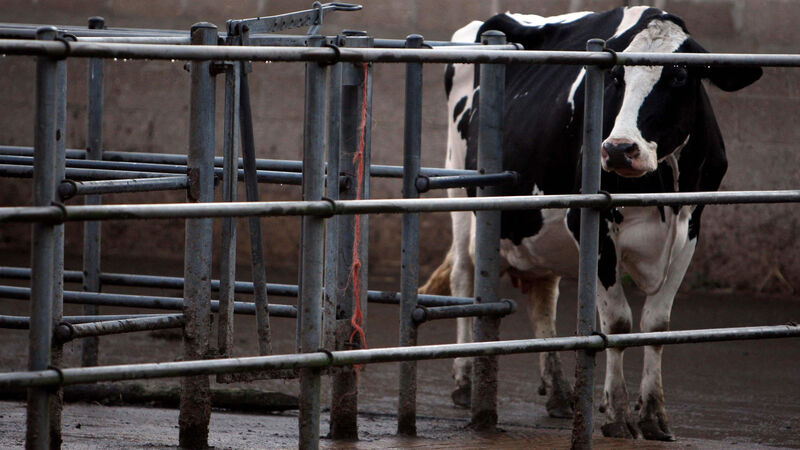
Bluetongue is a viral disease affecting cattle, sheep, goats deer, llamas and alpacas. File picture
Three further bluetongue outbreaks have been detected in Ireland this week, bringing the total number of affected herds to six.
It's understood that two of the cases were discovered in post-abortion testing — one in a blood test and the other in sampling from an aborted foetus.
The cases detected in Louth and Wicklow mark the first in these counties, while a third case was detected in Wexford, where the first three cases were found.
A spokesman for the Department of Agriculture, Food and the Marine said: "On January 22, 2026, the department's routine post-slaughter sampling detected the presence of bluetongue virus serotype 3 (BTV3) in a culled cow. The cow originated from a herd in Wexford and subsequently several more infections in this herd were identified. Cases were also detected in five other Wexford herds.
"A further infection was detected two weeks ago in a bovine which had been in a number of counties during the infection period, and epidemiological investigations into that case are ongoing. Last week, two more cases of BTV3 were detected; one in Louth and one in Wicklow."
North of the border, the total number of outbreaks remains at five, with almost a month passing since the last confirmed case. So far, all five cases have been based in east Co Down.
Bluetongue is a viral disease affecting cattle, sheep, goats deer, llamas and alpacas. The mortality rates in infected sheep can be as high as 70%.
Clinical signs include fever, loss or lack of appetite, drop in milk yield, lethargy, lesions, sores, reddening or ulcerations on nose, mouth, or eyes, or teats and udder in cattle, swelling of the face, lips and tongue (i.e. “bluetongue”), breathing difficulties if the tongue swells, increased salivation and drooling from the mouth, discharge from the eyes and/or nose, lameness, abortion, stillbirths or deformities in offspring, and death in severe cases.
Irish Co-operative Organisation Society (ICOS) president Edward Carr urged farmers to seek advice from their vets on how to manage the risk in their herds.
He said it was "worrying" to see new cases of bluetongue being identified in additional parts of the country, diagnosed as part of ongoing surveillance.
“It’s clear that disease is more widespread than we initially thought, and it’s likely to spread further when conditions become milder," Mr Carr said.
“We don’t know how severe the disease might be, and we certainly hope that symptoms will be mild, but given the sensitivity of the breeding season, and the importance of high fertility in herds, farmers should speak to their vets to seek advice as to whether vaccination would be appropriate in their own herd circumstances.”