Brian Reidy: Why dry matter intake is key to early lactation performance
Management of dry cows and preparing them for lactation will deliver a more profitable result from healthy animals fit to do their job.

Management of dry cows and preparing them for lactation will deliver a more profitable result from healthy animals fit to do their job. Dry matter intakes need to be driven to deliver sufficient energy for requirements based on parity and stage of gestation or lactation.
Achieving peak feed intake at eight to 10 weeks post-calving starts with appropriate feeding management during the dry period and continues with tailored nutrition after the cow has calved.
At this point, all milk producers understand that driving intakes will drive performance, but nonetheless, achieving this can be easier said than done.
To overcome this challenge, implementing a feeding and management strategy that will help boost intake should be high on the agenda in spring-calving herds right now. The days immediately post-calving are critical to achieving a successful and as close to trouble-free lactation as possible.
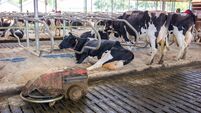
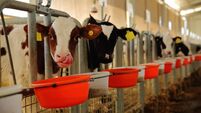
Some farms have a specific fresh cow area, where cows and heifers move into for a few days after calving. The duration of their stay in this group will depend on space availability and the health of individuals in the days post-calving.
During this time, feeding a fresh, high-quality forage-based diet will encourage feed intake in fresh cows. It is also much easier to observe cows for any issues in a smaller group. A cow in the main herd that is out of sorts may not be noticed until milking time, by which point she may have deteriorated significantly.
One observation from recent years is that many dairy and suckler herds have installed, or intend to install, health and heat monitoring systems as herd size and labour availability mean that herding and husbandry skills increasingly need support from technology.
Most of these systems can alert you to low rumination, low consumption of feed and water, with some also providing up-to-date temperature readings for each animal.
While most people initially invest in these systems for heat detection, the health features are extremely useful.
In my view, these systems are fantastic as they help prevent mild illness from becoming acute and significantly reduce losses and associated costs related to veterinary treatment and drug use.
As we all know, with livestock, early intervention and prevention are far better for both the farmer and the animal. I have a system on my sucklers that, alongside heat, nutrition, and health monitoring, also provides extremely accurate calving alerts.
Maintaining fresh-cow dry matter intake is one of the secrets to keeping cows healthy and productive throughout lactation.
Once a cow has successfully calved down, cleaned, and is up and running in the milking parlour, attention turns first to achieving the yields she is genetically capable of.
This milk should be produced with optimum quality at the lowest possible cost, after which the focus shifts to getting her back in calf again.
Balancing protein and energy makes a big difference. After calving, a cow’s energy needs increase with the onset of milk production. Meanwhile, the stress of calving causes a reduction in feed intake, thereby reducing energy consumption and pushing the cow into an inevitable negative energy balance.
To help reduce this, aim for a high energy density diet per kg of dry matter during the first two to three weeks post-calving. While cows remain indoors, it is important to identify the best quality silage available on the farm.
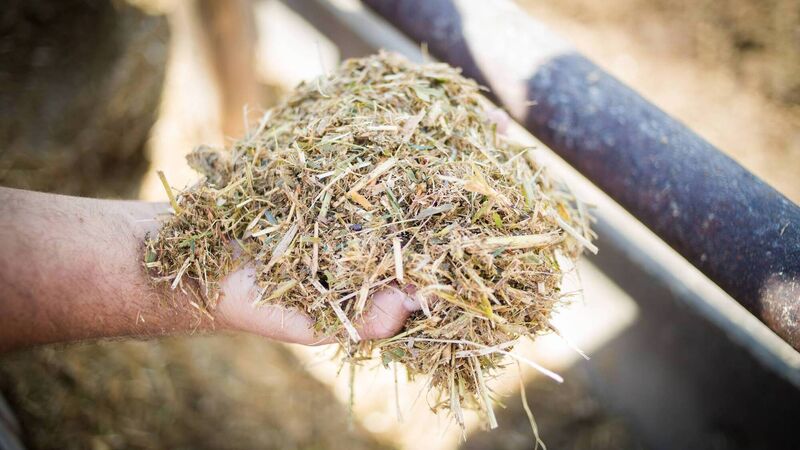
Some herds will include maize silage, whole crop, beet, or distilling and brewing by-products in the diet, and these ingredients are ideal in early lactation to boost total dry matter intake and optimise energy intake.
It is important that producers do not eliminate these feeds from the diet due to a lower milk price. These alternatives to grass silage are cheaper per 1,000 UFL of energy than home-produced grass silage.
This consideration is particularly important when planning for next winter and into spring 2027. I have already had calls from customers wondering if they should stop growing or buying maize.
This is a knee-jerk reaction to a lower milk price and is not a sensible approach. It is still the same herd of cows, and they should continue to be fed to a high standard to optimise yield, solids, fertility, body condition, and animal health.
The greater the intake achieved on a full indoor diet, the more cows will be able to consume once they eventually head to grass. With regard to grass, most farms currently have plenty available, but is grass in early February the best way to optimise intakes post-calving?
Can cows be consistently grazed each day going forward? As I write, they would need swimming rings, with a lot of rain forecast for the coming week.
Managing the cow, not the grass, in early lactation will deliver major performance benefits and help achieve increased grass intakes for the remainder of the lactation by optimising rumen capacity and function immediately post-calving.
Protein is a crucial component of a fresh cow’s diet. There are many opinions on the appropriate level of crude protein to include immediately post-calving.
Some suggest keeping protein levels low initially to avoid cows milking too hard early in lactation and compromising body condition. However, protein is critical to encouraging intake, and pitching diets too low will depress dry matter intake.
Grass silages made in 2025 are generally low in protein, with many testing in the 10–12% range. As a result, concentrates used to balance these forages will need to exceed 20% crude protein prior to turnout to grass. This requirement increases further where maize, whole crop, or beet are included in the diet.
Pay close attention to the ingredients in concentrates fed to early lactation cows. These should include high-quality cereals, digestible fibres, and quality protein sources. Request a high-specification mineral and vitamin pack to aid recovery post-calving, boost immunity, and support subsequent fertility performance.
Don’t forget cal-mag where grass is being introduced into the diet. While concentrate costs have increased significantly, the cost of underfeeding early lactation cows is far greater. Balance the diet correctly once cows have calved and the benefits will be seen throughout the rest of the lactation.
As mentioned above, forage quality in early lactation is a major driver of intake and performance. Cows can be encouraged to consume more nutrients by feeding only the highest-quality forages available.
High-quality forages contain higher energy levels and are generally more palatable, which is particularly important for finicky fresh cows.
While a DMD figure alone tells us little about forage quality, it does indicate that intakes will be better on higher DMD silages. Well-ensiled, well-preserved grass silage produces forage that cows will consume more readily. Feeding high-quality forage indoors is ideal preparation for grazed grass.
The inclusion of a second forage, such as maize, whole crop, beet, or distillery and brewing by-products, can increase total forage intake by up to 15%.
Increased forage intake supports better rumen health, enabling cows to safely handle higher concentrate levels where they are genetically predisposed to respond to extra energy.
Next week, I will look at the importance of good feed management and appropriate facilities for your herd.