EU funding shake-up puts flagship Irish nature projects at risk
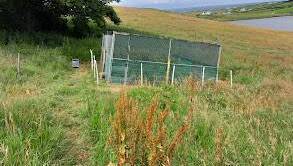
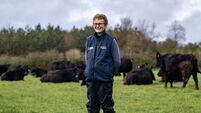
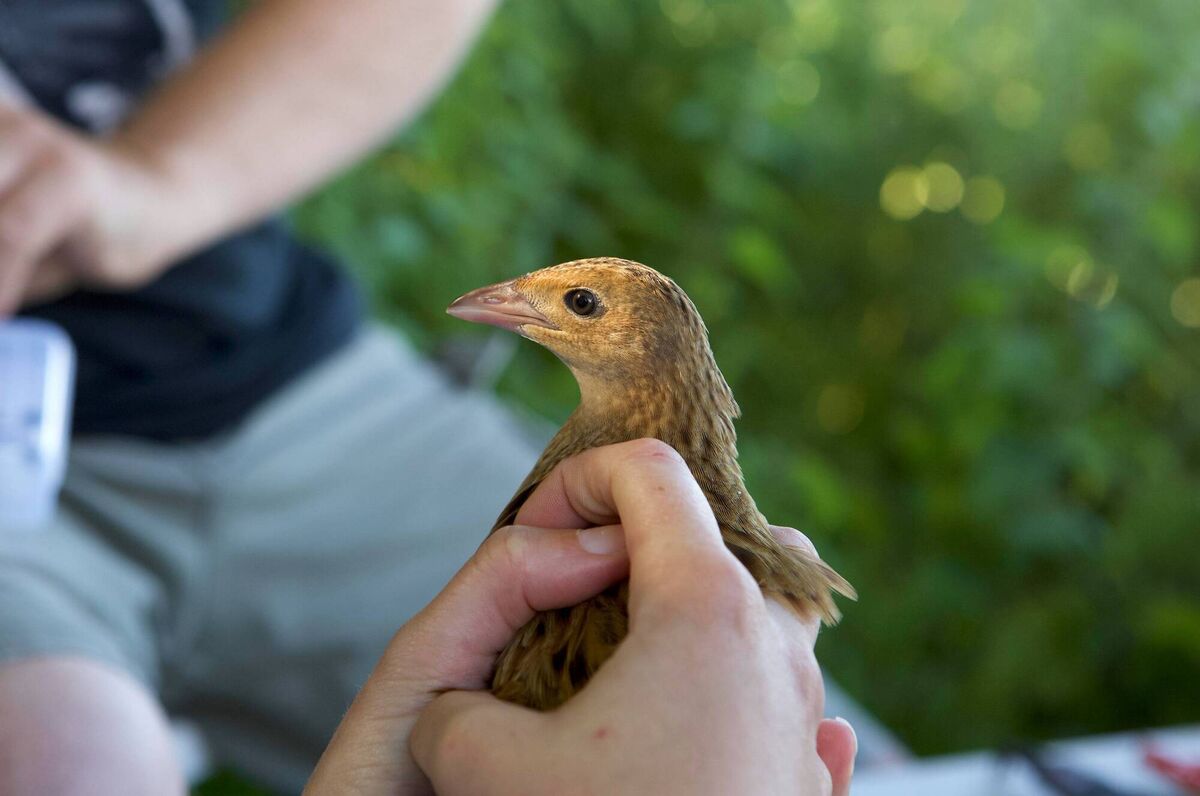
The Corncrake LIFE project has been one of the success stories, working with landowners and local communities to enhance habitats for corncrakes in the west and north west of Ireland.
Some of Ireland's best-known environmental protection projects are at risk due to the EU Commission's radical redesign of post-2027 funding.
"We risk diluting critical environmental progress at a time when decisive action is non-negotiable", said Conor McCabe, manager of the Irish National Contact Point for the EU LIFE Programme within the Department of Climate, Energy and the Environment.
His team works directly with applicants to develop LIFE project ideas. Established in 1992, LIFE is the only EU programme with an exclusive focus on implementation, enforcement and development of EU environmental, climate and clean energy legislation.
But Mr McCabe warned, "At a time when environmental and climate challenges demand focused EU support, the potential loss of LIFE as a dedicated instrument raises serious concerns that merit scrutiny.
"I believe Ireland’s successes provide compelling evidence for why LIFE must be protected."
Since 1992, Ireland has secured more than 100 LIFE projects, with total investment exceeding €200m. In the current LIFE programme, 52 Irish projects have been approved, with an EU contribution of almost €58m and a total project value of over €100m.
During a recent Oireachtas Committee on Climate, Environment and Energy meeting to discuss funding for LIFE programmes, Mr McCabe said Ireland’s participation rate was high relative to population size.
Some of the best-known projects have been Burren LIFE, Wild Atlantic Nature, LIFE on Machair, Corncrake LIFE, and LIFE SnaP Ireland.
The committee was told by Niall O’Donnchu, director general, National Parks and Wildlife Service, that NPWS LIFE projects support the implementation of the EU Birds and Habitats directives, and in particular, the Natura 2000 network.
He said the importance of LIFE projects was shown this year when the NPWS Corncrake Survey recorded record numbers of this endangered bird (281 corncrake territories), now found in some locations for the first time in many years.
He said LIFE projects find innovative ways to protect nature, usually by working with local rural communities, and show specific actions can bring about improvements in the conservation status of habitats and species.
For example, the LIFE on Machair project protects rare coastal grasslands in the northwest of Ireland.
A recent example of this is quilts made by local groups in Mayo and Donegal that depict the different species that live in the machair habitat.
In other LIFE projects, almost 2,500 hectares of midlands bog have been restored.
LIFE funding also allows for fair payments to landowners for nature protection measures on their land. Mr McCabe said the proposed restructuring of the EU's 2028 to 2034 budget included activities currently supported under LIFE being integrated into larger funding instruments.
All EU nature and biodiversity funding would compete with a wide range of other priorities such as regional development, agriculture, fisheries and broader economic and social objectives.
Support for actions on waste, water, air quality, chemicals, pollution prevention, and environmental governance would also compete with infrastructure, competitiveness, digitalisation and social inclusion measures within nationally determined programming envelopes.
Support for climate change mitigation and adaptation would compete directly with industrial policy, innovation, security and broader competitiveness priorities.
Mr McCabe said the commission had indicated environmental and climate objectives would be preserved through horizontal spending targets and intervention fields.
"However, the removal of a dedicated programme raises a number of practical considerations."
These include the absence of a ring-fenced budget for environment and biodiversity, reduced visibility of outcomes, fragmentation of actions across multiple instruments, and potential access barriers for smaller public and civil society stakeholders that currently rely on direct calls.