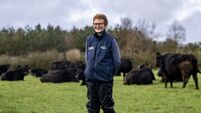
Brian Reidy: Feeding the fresh calved dairy cow
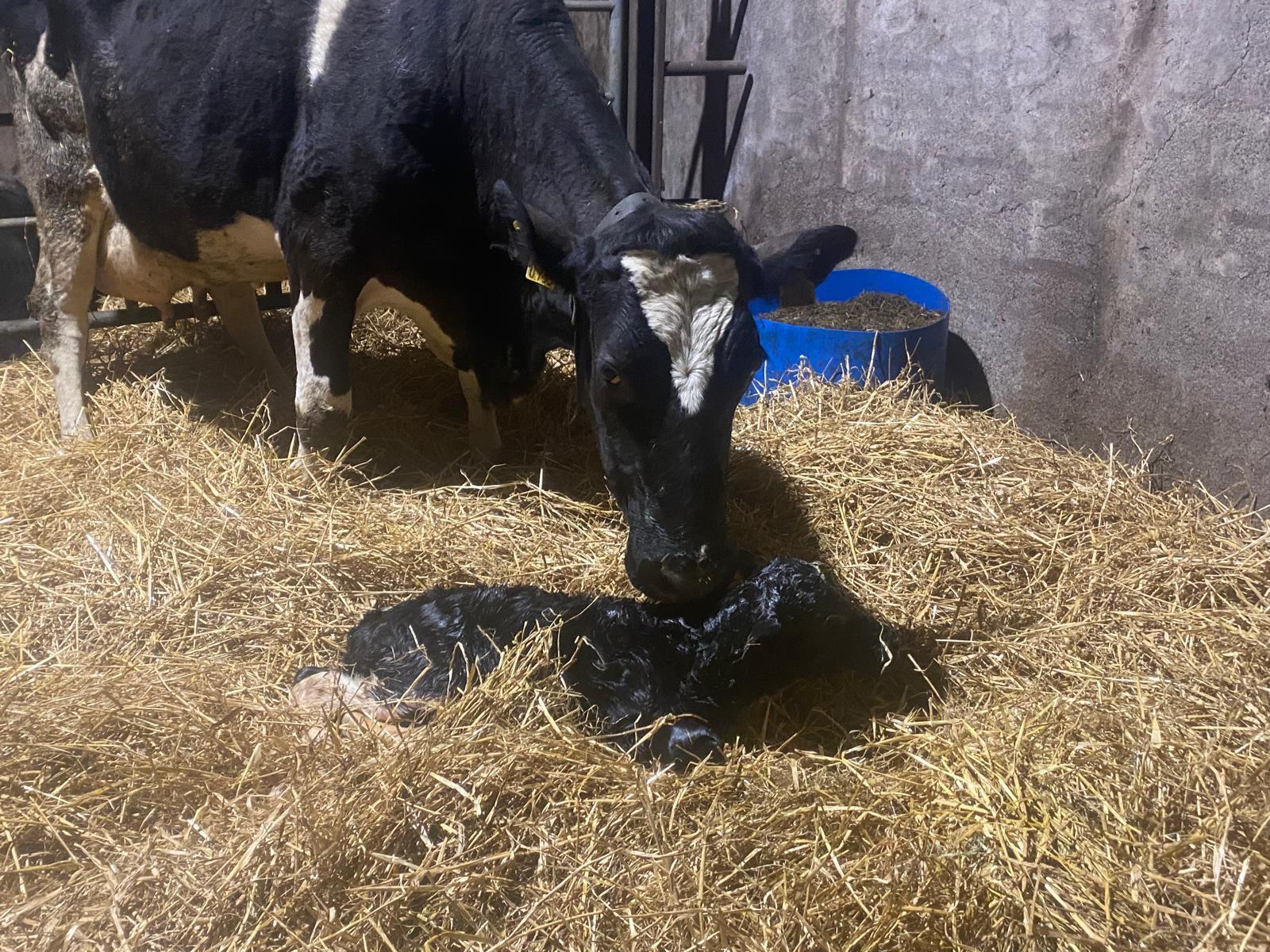
Maintaining fresh-cow dry matter intake is one of the secrets to keeping your fresh cows healthy and productive during their lactation.

Before Christmas, I covered the management of the dry cow and how preparing them well for their next lactation will deliver a more profitable result from a healthy animal. Dry Matter Intakes need to be driven to deliver sufficient energy for their requirements based on their stage of gestation or lactation. The first half of 2026 looks like being a difficult period for milk price and as a result, optimising milk quantity and quality is a must. Driving dry matter intake and energy intake is critical. The approach of pulling feed in a low milk price year is crazy and will only end up with a stressed, malnourished and underperforming herd of cows. This will be detrimental to output, profit and fertility.
Achieving peak feed intake at six to eight weeks post-calving starts with proper care during the dry period and continues with sound nutrition after the cow has calved. I believe that all dairy producers understand that driving intakes will drive performance, but nonetheless, achieving this can be easier said than done.
To overcome this challenge, implementing a feeding and management strategy which will help boost intake should be high on the agenda. The days immediately post-calving are critical. Some have a hospital or maternity area, where fresh cows and heifers move in for a few days after calving. The duration of their stay in this group will depend on the space available and the health of individuals in the days post-calving. During this time, feeding a high-quality forage-based diet will encourage feed intake in finicky fresh cows. It is also much easier to observe cows in a smaller group. A cow in the main herd that is out of sorts may not be noticed until milking time, at which time she may have deteriorated a lot.
Maintaining fresh-cow dry matter intake is one of the secrets to keeping your fresh cows healthy and productive during their lactation. Once a cow has successfully calved down, cleaned and got up and running in the milking parlour, then attention turns firstly to getting the yields that she is genetically able to do. This milk should be produced with optimum milk quality at least cost and then you need to go about getting her back in calf again.
Firstly, quality protein and energy sources are excellent value right now. After calving, a cow's energy needs increase with the onset of milk production. Meanwhile, the stress of calving causes her to reduce feed intake — thereby reducing the amount of energy she consumes — and that plunges her system into an inevitable negative-energy balance.
To offset this problem, aim for a high energy density diet per Kg of dry matter during the first two to three weeks post calving. While cows remain indoors, it is important that you have established the best quality silage in the yard for them. Some will have Maize silage, whole crop or beet in the diet and these ingredients are ideal in early lactation to boost total dry matter intake and optimise energy intakes. The more intake you can achieve on a full indoor diet the more cows can consume when they eventually head to grass.
Protein is another important component of a fresh cow's diet. There are many opinions as to the appropriate level of crude protein to include in the immediate post-fresh diet. Some suggest keeping the protein level low initially so as to not cause cows to milk too hard early in lactation and compromise on body condition. Protein, however, is critical to encourage fresh-cow intakes and pitching diets too low will depress intakes. Grass silages made in 2025 in general have moderate protein levels with many in the 11-13% range and as a result a concentrate to complement this forage will need to be over 20% to balance it correctly before cows are turned out to grass. Pay attention to the ingredients included in any concentrate you feed to early lactation cows. It should include top quality cereals, digestible fibres and quality protein sources. Request a top-quality mineral and vitamin pack which will aid recovery post calving, boost the immune system and help subsequent fertility performance. Don’t forget Cal-mag if you are able to get some grass into cows.
As I mentioned above, forage quality in early lactation is a major driver of intake and performance. You can help your cows consume more nutrients by feeding only the highest-quality forages available to your fresh cows. High-quality forages contain a higher energy content than low-quality forages. Likewise, high-quality forages tend to be more palatable, which appeals to finicky fresh cows. Whereas a DMD figure tells us little about a forage, it does indicate that intakes will be better on high DMD silages. High-quality grass ensiled and preserved well will make silage that cows like to eat more of. Good quality forage fed indoors is the ideal preparation for grazed grass.