Factories play ‘take it or leave it’ as cattle prices soften
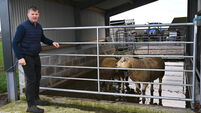
Suppliers are reporting that lower base prices apply in particular to factories in the southern half of the country, and further north, some of the factories are willing to pay at least 10-15c/kg more for similar stock. File photo
Trading for the first week of the New Year has commenced with the processors exerting more downward pressure on the prices for all categories of stock.
The steers are being quoted down to a base of 700c/kg and the heifers to a base of 710c/kg at a number of the factories for bookings being made this week. There is a bit of the 'take it or leave it' approach by the factories creeping in this week, which is not a positive sign.
Some of this week's kill was forward purchased last week at slightly higher prices, but the processors are reported to be 'tougher' this week about paying the higher prices.
Suppliers are reporting that lower base prices apply in particular to factories in the southern half of the country, and further north, some of the factories are willing to pay at least 10-15c/kg more for similar stock.
For those travelling long distances to factories, consideration must be given for the higher transport costs and some loss of weight on the stock.
The pressure on cows is somewhat less. The good R-grade cows are making up to 680-685c/kg and R-grade young bulls at up to 720-725c/kg are weathering the pressure best.
Overall supplies remain well below a year earlier, but the processors are showing no indication that they are willing to pay more to compete for extra intake at this time.
Later in 2025, it was indicated that the factories appeared to be taking more 'control' over the balance between price and intake, and it looked to many producers that there was a definite policy change and the factories had decided against chasing the extra cattle at any price.
An insider explained: "The processors realised that the supply was well below other years and no matter what they paid for them, there was less finished cattle to go around and the hard fact was that aggressively competing with each other by creating a price war could only result in very expensive beef for the processors and the consumer market would not bear that.
"Throughout the last year, there was a very clear move towards buying the cheaper cuts, and in some markets less volume and the prime cuts were harder to sell at the high prices."
The kill for the first week of 2026 has continued the pattern, with lower supply down almost 8,000 head on the same week in 2025.
The supply of 22,392 head included 8,743 steers, 7,645 heifers, 3,401 cows and 2,304 young cows, which suffered the biggest decline year on year at 48% less last week than the same week in 2025.