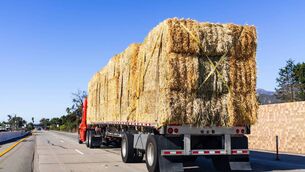
Agriculture still the most dangerous sector, with 23 deaths last year
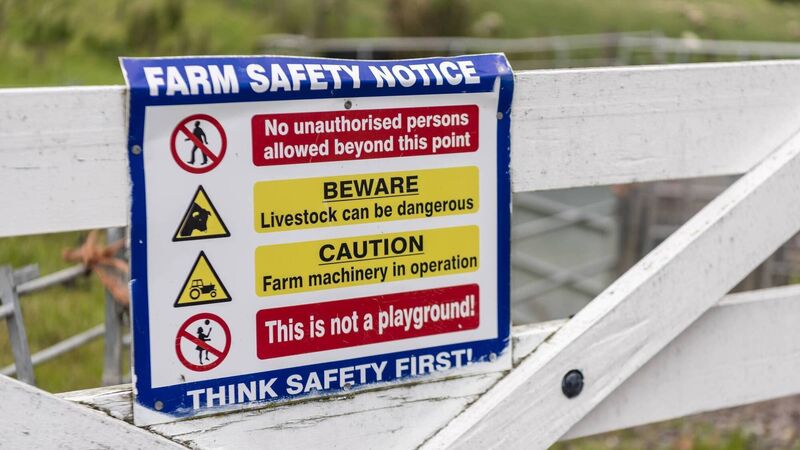
The HSA reported that 23 deaths occurred in 2025 within the agriculture sector.
Agriculture is still classified as the most dangerous job sector, with 23 deaths occurring in 2025, the highest of any other sector.
Overall, the Health and Safety Authority (HSA) reported a rise in work-related incidents resulting in death from 36 in 2024 to a provisional total figure of 58 in 2025, a 61% increase. A third of deaths occurred in people aged 65 or over. Counties Cork, Donegal and Dublin had the highest number of reported fatalities at six apiece.
HSA chief executive Mark Cullen, said: “The increase in work-related fatalities in 2025 is deeply concerning. Every death is a tragedy, and each one represents a life lost and a family devastated.
"We recorded our lowest ever fatality rate in 2024 and, while annual figures can fluctuate, this sharp rise serves as a stark reminder that employers and workers alike must stay vigilant and avoid complacency when it comes to workplace safety.”Â
Farm Safety minister Michael Healy-Rae expressed his concern and sadness following the sharp increase in work-related deaths in 2025.
The agricultural sector, with a total of 23 deaths, continues to hold the top spot for the highest number of fatalities within the separate sectors. The 23 deaths in agriculture represent 40% of all work-related fatalities last year from a sector that employs about 4% of the workforce in Ireland.
There were three fatalities recorded attributed to fishing and none for forestry, bringing the provisional total for the agriculture, forestry and fishing sector to 26 deaths in 2025.
Mr Healy-Rae described the increase in fatalities as a tragedy for the families and communities involved, as well as a reversal of recent progress in reducing fatalities on farms.
“Farm vehicles, machinery, falls from height and livestock continue to account for the majority of fatal incidents. All farmers are aware of these hazards, yet fatalities have increased. The HSA data highlights the vulnerability of older farmers, with almost 80% of farm fatalities involving people aged 60 years of age or over. Experience is not a substitute for safety.
The leading causes of fatalities in 2025 were being hit or crushed by falling objects, incidents with machinery or vehicles, and falling from a height. Only four fatalities were caused by livestock, according to the HSA.
Self-employed workers continue to face significant risks at work. In 2025, self-employed people accounted for 23 of the 58 work-related fatalities (40%). Many self-employed workers operate alone, increasing the danger when incidents occur, and lack the support structures typically found in larger organisations.
Mr Cullen warned: “Working safely is entirely possible even if you are self-employed or working alone. When you work alone, particularly in high-risk sectors such as agriculture and construction, you must be even more vigilant in planning your work and ensuring help is available when you need it or if something goes wrong.”Â
This year, HSA said it would deliver a comprehensive programme of risk-based evidence-led workplace health and safety inspections across all sectors of the economy.
Those sectors that pose the highest health and safety risks will be targeted with a range of enforcement, compliance and awareness-raising interventions.
The Department of Agriculture want to remind farmers the TAMS3 Farm Safety Capital Investment Scheme continues to provide 60% grant aid for a wide range of farm safety-related investments and was recently expanded to include grant aid for the replacement of roofs.
Several key schemes under the CAP Strategic Plan also ensure a focus on farm safety, such as SCEP and ACRES training scheme. The department also secured an expanded range of equipment under the Accelerated Capital Allowances for Farm Safety Equipment, and the additional equipment is also eligible for TAMS3.
The department has also implemented a range of initiatives on farm safety in 2025, including projects which engaged directly with farmers to address their safety, health and wellbeing; funding the delivery of children’s and young people’s farm safety awareness initiatives in primary and secondary schools and other initiatives.