Bluetongue latest: 20 large herds to be tested for disease

Northern Ireland Agriculture Minister Andrew Muir
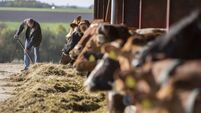
The North's Department of Agriculture (DAERA) is to begin work testing 20 large herds within the 20km Bluetongue temporary control zone to determine the level of the disease within the region.
Herd keepers with more than 200 cows in the immediate area have been told their herds will be selected at random for further testing, the understands.
The alarm was first raised on Saturday evening (November 29), that Department vets in Northern Ireland were investigating a suspected case of Bluetongue virus at a farm near Bangor, Co Down.
The virus was detected by DAERA's active surveillance in two cows, which were previously part of the herd at Clandeboye Estate, when they were taken to an abattoir. However, the cases have yet to be confirmed officially by the UK's national laboratory.
Moves of susceptible species (cattle, sheep, goats, deer and llamas/alpacas) on or off premises within the control zone, which covers North Down and East Antrim, are now prohibited whilst officials carry out further investigations. Moves direct to slaughter are permitted under a general licence available on the DAERA website.
Northern Ireland Agriculture Minister Andrew Muir said: "While there was always a potential for Bluetongue to arrive here, given its prevalence in GB and the EU, we must now do all we can to protect our livestock and limit the spread of the disease.
Livestock export for breeding or production to the Republic of Ireland and other EU countries has been prohibited, with live export currently only permitted for slaughter.
Northern Ireland Chief Veterinary Officer, Brian Dooher, warned Bluetongue virus is "unpredictable" and can "spread rapidly through and between flocks and herds.
"Colleagues have been preparing for a possible incursion of this disease and have been working closely with our colleagues in the Republic of Ireland to ensure a coordinated response in tackling any incursion," he said. "The spread of Bluetongue could have a significant impact on livestock and the rural economy."
Republic of Ireland Agriculture Minister Martin Heydon said he would engage closely with his Northern counterpart, Andrew Muir, on the issue to ensure a "collaborative and supportive approach" across the island.
“The news of a suspect bluetongue outbreak in Northern Ireland is unwelcome," he said.
Explaining the next steps to take, Mr Heydon said: “It is important to note that, because bluetongue is spread by midges, disease spread is much less likely in the winter and early spring months. I am taking firm action now to carry out enhanced and targeted surveillance to find the disease, if it is here.”
In the Republic, this will include on-farm surveillance blood sampling of cattle and sheep; testing livestock submitted to Regional Veterinary Laboratories; sampling of cattle routinely slaughtered at meat plants; and encouraging farmers and vets to report any suspect cases to their Regional Veterinary Office.