More than 260 biodiversity projects funded as State launches 2026 scheme
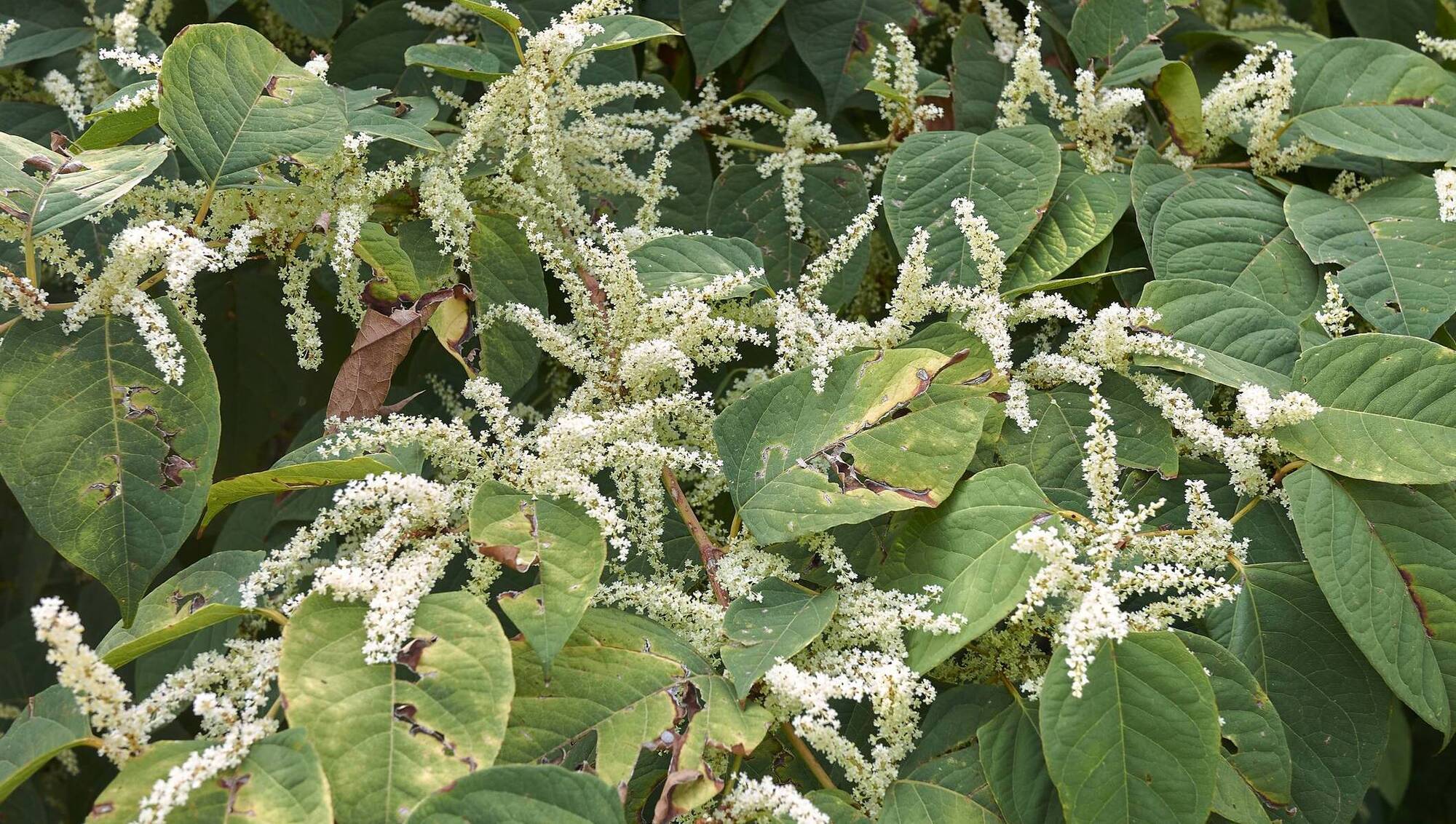
The fund will be open to all local authorities to support research, surveys, habitat management and action projects on a wide range of invasive species including Japanese knotweed. Picture: iStock
The treatment of Japanese knotweed was among 260 biodiversity projects funded this year across the State’s 31 local authorities.
An invasive non-native species, it threatens biodiversity, damages infrastructure, and degrades riparian and urban landscapes.
Its presence along riverbanks, roadsides, and green spaces poses a significant challenge to native ecosystems and land use.
Projects to control, eradicate, and prevent the spread of the species, particularly in ecologically sensitive areas such as special areas of conservation, riversides, and urban spaces, were among those funded.
The minister of state for nature, heritage, and biodiversity, Christopher O’Sullivan, has now launched a similar €3m Local Biodiversity Action Fund for 2026.
It will be open to all local authorities to support research, surveys, habitat management and action projects on a wide range of invasive species including Japanese knotweed.
The funding is available to local authorities for biodiversity projects and will be managed by the National Parks and Wildlife Service.
Mr O’Sullivan said it will put €3m in communities across the country to deliver practical, creative, and locally led actions for nature where it matters most.
Previous grants have funded surveys of rare birds and plants, restoration measures in key habitats like wetlands, grasslands, and rivers, as well as projects to protect species such as barn owls and lesser horseshoe bats.
“It is great to see the biodiversity officers network playing such a vital role in bringing local authorities together with communities to progress local initiatives and partnerships. I’m excited to see what this year’s fund will support,” he said.
The minister for housing, local government, and heritage, James Browne, said public and shared places are important for biodiversity, for health, and for wellbeing.
Local authorities are uniquely placed to work with communities to protect biodiversity in our communities and this fund supports them to do that, he said.
Examples of projects funded this year included the Hare’s Corner, which involved seven local authorities with the aim of creating new habitats such as ponds, woodlands, and orchards.
Wildflower meadow management by Cork City Council to improve the ecological value of selected grassland areas within the city were supported, as were barn owl surveys and conservation by 11 local authorities.
A total of 40 projects across 21 other councils to remove, manage, and control invasive species such as giant hogweed, Japanese knotweed, cherry laurel, and quagga mussels were also funded.
Over €13m has been granted to local authorities for their biodiversity work since the fund was established in 2018. The closing date for applications for the 2026 scheme is February 5.