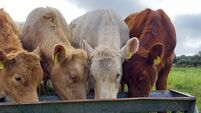
ieExplains: What is bluetongue and should farmers be worried?
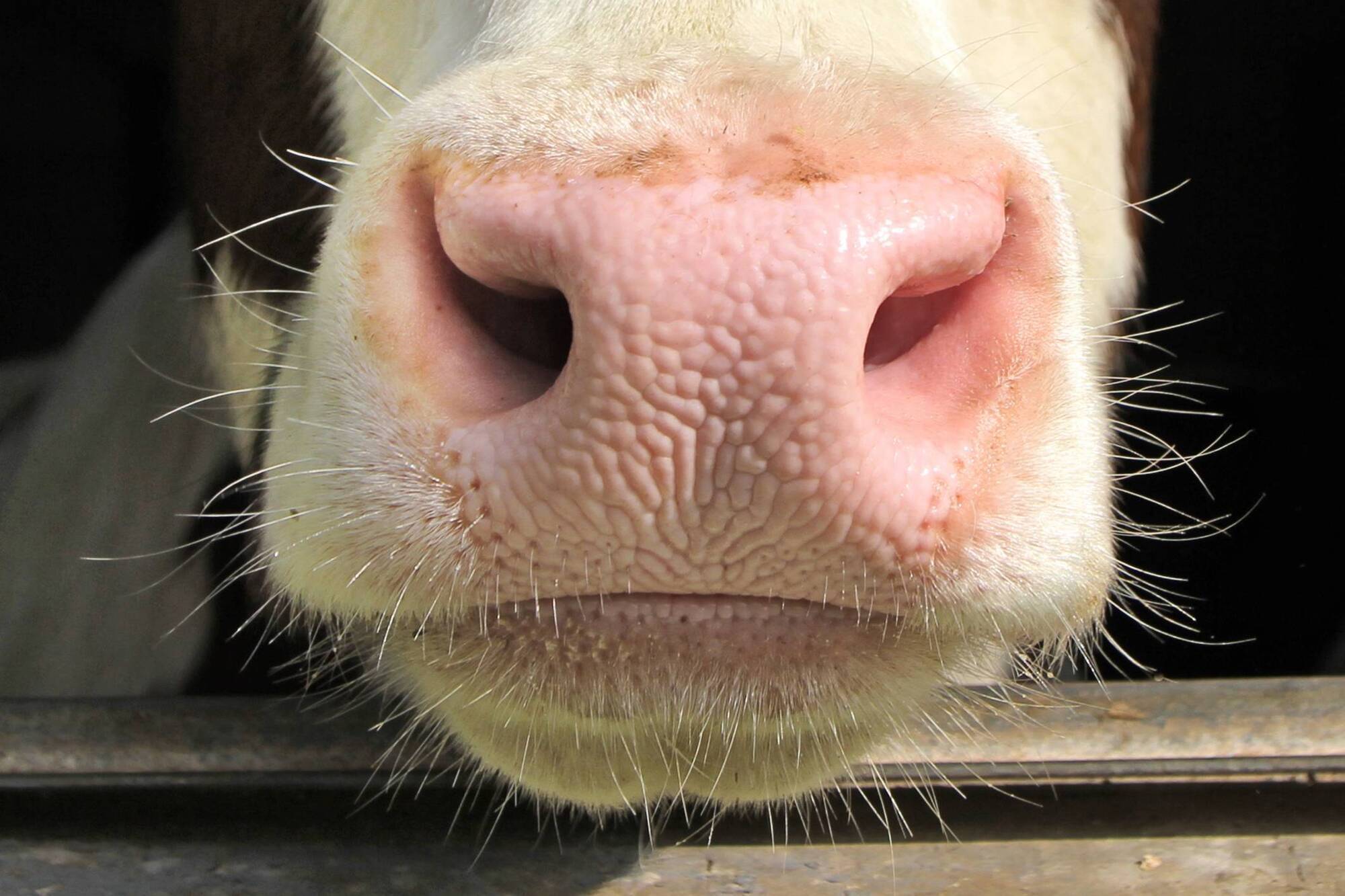
Bluetongue is a viral disease affecting cattle, sheep, goats deer, llamas and alpacas.
The detection of a suspected case of bluetongue in Co Down this weekend was not the news farmers wanted to hear this weekend.
Department vets in Northern Ireland are investigating a suspected case of bluetongue virus on a farm near Bangor, Co Down. Initial results from DAERA’s active surveillance programme indicate the presence of the disease in two cows, which had been sent for slaughter.
If confirmed, it marks the first time the disease has been found on the island.
While the virus does not have any impact on people or food safety, it can have a devastating impact on the animals infected and trade.
Bluetongue is a viral disease affecting cattle, sheep, goats deer, llamas and alpacas. It is not contagious between animals in the way many diseases are, but instead is transmitted through biting midges.
Because the virus spreads through midges the risk is highest from April to November when insects are most active. However, the spread depends heavily on temperature and wind patterns, with lower temperatures reducing the risk.
No. There are zero implications for people, human health or food safety. Meat and milk both remain safe to consume.
It's a major concern because bluetongue virus can cause severe illness and death in affected animals, as well as major disruption to trade and economic losses for farmers.
The impact on livestock health and the rural economy can be significant, even though it poses no human risk, and can lead to long-term movement and trade restrictions.
The BTV-3 strain was first detected in the Netherlands in September 2023 and has since spread widely across Europe over the last few years.
The strain was confirmed in the east of England in November 2023, and by July this year, the restricted zone had expanded to cover all of England.
Between July and December 1, a total of 213 cases of bluetongue have been confirmed in England, including 205 cases of only BTV-3, one case of only BTV-8, and seven cases of BTV-3 and BTV-8.
A total of 15 cases of BTV-3 have been reported in Wales.
The situation is worse in mainland Europe, especially in the Netherlands, Germany, and Belgium, where more than 4,000 cases of BTV-3 reported since May 2024.
Signs of bluetongue can include fever, swelling of the head and face, red or swollen eyes and mouth, crusty lesions or ulcers around the muzzle and nostrils, drooling, lameness, a drop in milk production and lethargy.
Sheep tend to show more severe symptoms, while cattle may show milder signs.
A 20km Temporary Control Zone (TCZ) came into force on November 29, 2025. Within this zone, movement of susceptible species — cattle, sheep, goats, deer and camelids (llamas/alpacas) — on or off premises is now prohibited while further investigations take place.
Movements direct to slaughter are still allowed, but only under a general licence.
Saintfield Livestock Market has cancelled all sales as it falls within the 20km control zone. However, organisers of the Royal Ulster Winter Fair, the North's largest dairy show, have announced the show will proceed.
The North's agriculture minister Andrew Muir has described the suspect cases as “of great concern”, urging affected producers to strictly follow restrictions to help prevent any wider spread.
He emphasised that while bluetongue has no impact on people or food safety, officials are taking “all the necessary steps” to protect the agri-food industry.
Muir said cooperation — especially from those inside the Temporary Control Zone — is critical. “We must now do all we can to protect our livestock and limit the spread of the disease,” he said.
Muir said his department is working closely with stakeholders across Northern Ireland, Britain and the Republic of Ireland to monitor the emerging situation and ensure a coordinated approach.
Northern Ireland Chief Veterinary Officer Brian Dooher urged farmers to: Source stock responsibly, stay vigilant for signs of disease, and report any suspicions immediately.
He warned that bluetongue is unpredictable and can spread quickly between herds and flocks.
Agriculture minister Martin Heydon said he is working closely with his Northern counterpart Andrew Muir on a collaborative, all-island response.
Calling the development “unwelcome”, he noted the anxiety this will cause among farmers and stressed that if the disease becomes established in one part of the island, it becomes more likely that it will spread.
However, he reiterated that bluetongue poses no risk to human health or food safety.
Mr Heydon said winter conditions provide some natural protection because midges — the insects that spread bluetongue — are far less active.
But he announced enhanced surveillance to “find the disease, if it is here.” These measures will include on-farm blood sampling of cattle and sheep, testing livestock sent to regional veterinary laboratories, and sampling cattle slaughtered at meat plants.