Why farmers are not rushing to clover: The barriers to a 'green' solution
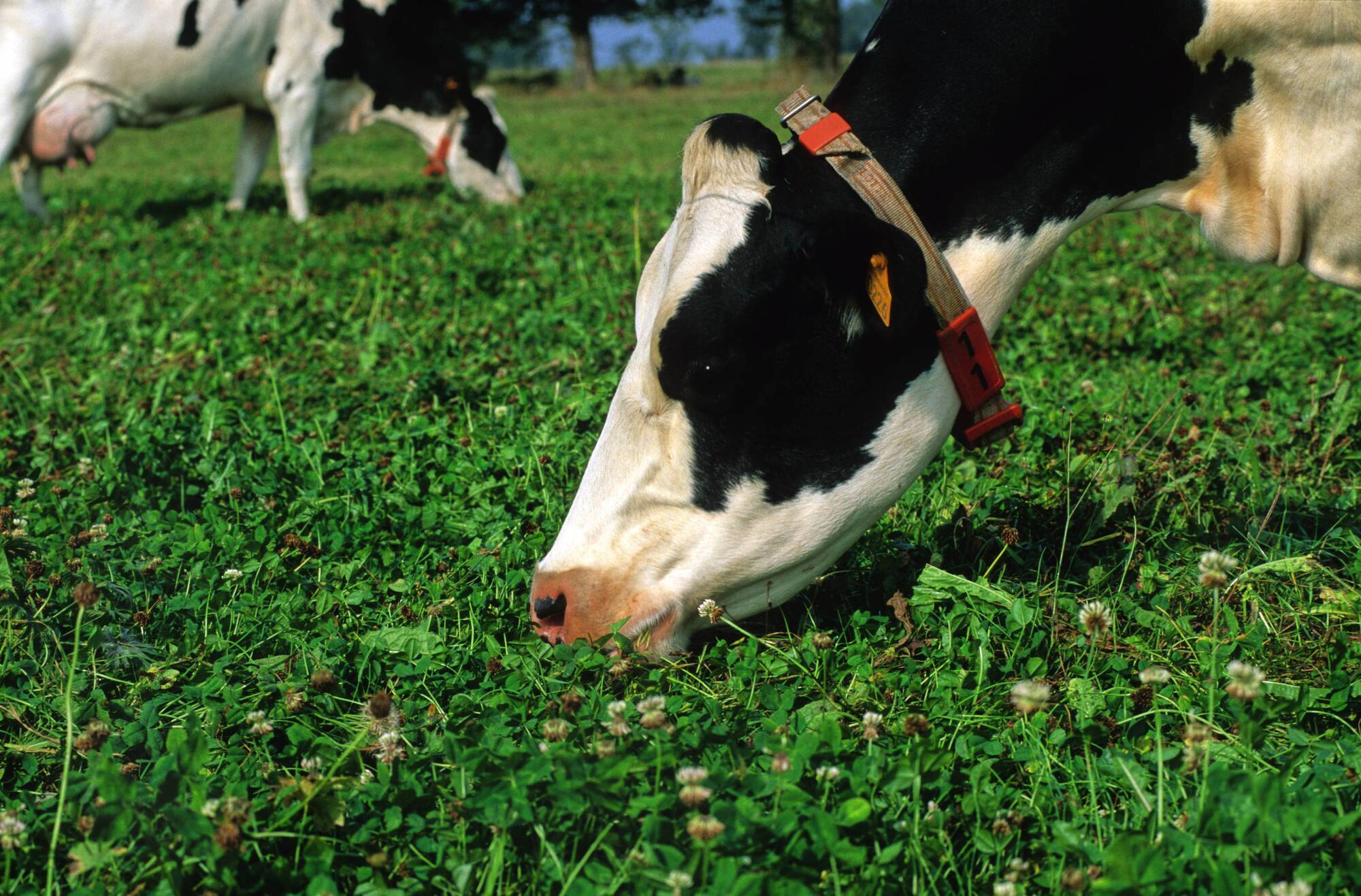
'There are a lot of farmers who don’t measure, or who might measure, but don’t necessarily utilise the data they’re getting back.'
Why haven't more farmers gone for clover, to increase profitability, and to reduce nitrogen losses from farms?
That topic was explored by UCC lecturer in sustainable agriculture Dr Deirdre Hennessey in a recent episode of Teagasc's Environment Edge podcast.
She said: “We’ve been very comfortable with our perennial ryegrass nitrogen system. I think everybody accepts and knows that has to change. I think clover is the first step. We know that clover can work very well in our systems.”
In the podcast, barriers to implementing grass-white clover systems, such as soil fertility and grazing management, were explored, along with management of red clover swards and of swards containing chicory.
“Only about 24% of dairy farms have optimum soil fertility, soil pH, phosphorous and potassium indexes," said Dr Hennessey.
“Another issue is grazing management. How do you manage your sward? If you’re good at grassland management, measuring weekly, and using your wedge for example at this time of year, and you’re not letting covers get too high, and you’re getting good graze-outs and so on, all of that is really beneficial in terms of the clover as well, and helping with the persistence of it”, she said.
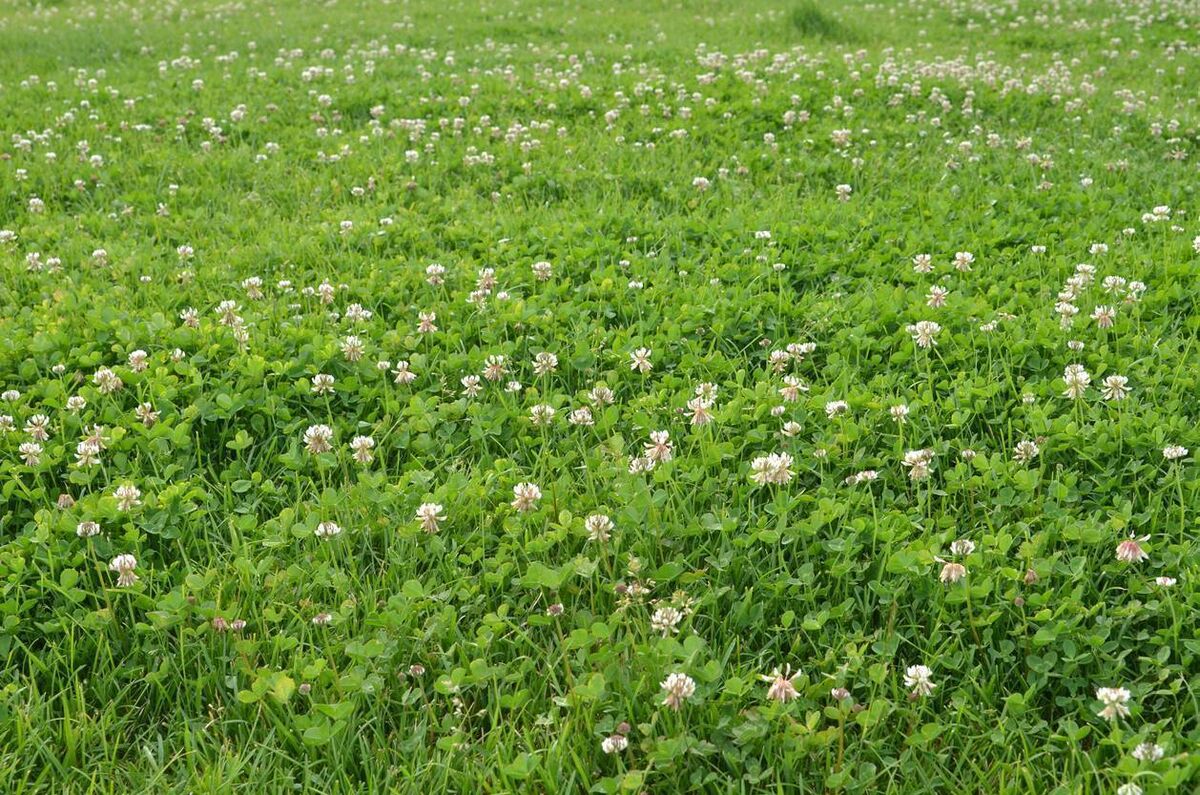
“There are a lot of farmers who don’t measure, or who might measure, but don’t necessarily utilise the data they’re getting back. Data is powerful."
Another challenge is establishing white clover in the sward, either through a full reseed or over-sowing. “In both those cases, soil fertility is really important,” she emphasised.
“In a full reseed, post-emergent spray is very important, so that you don’t have a big weed burden in the field, which would shade out the clover."
Dr Hennessy also recommended getting in early and grazing off the grass, which will grow a bit faster than the clover.
"Ultimately, what happens is that the grass will shade out the clover. It will block the light. The plant needs light, for energy, to grow. So, you need to graze it when the cover is low, but the plants are established.
"Similarly in a re-seed, you don’t want the cover getting too high, because again it will shade out those tiny little clover seedlings as they’re emerging,” she explained.
“Put out less nitrogen, or no nitrogen if you can afford to skip it, especially in an over-sown paddock, for a rotation at least, and then maybe go half-rate, simply because grass takes up nitrogen from the soil faster than clover does, so it will grow faster, and again we’re back to shading out of the clover,” she said.
“Pick a medium-leafed clover cultivar.
"The earlier in the year you can reseed and over-sow, the better. April time is good, because we tend not to see droughts in April, May,” she advised.
Clover seedlings have shallow roots, and will not survive, if the top of the soil is dry.
“Soiled water, dairy washings and so on, is very beneficial, because there is a little P and K and a small bit of nitrogen in it and that definitely helps the swards”, she said.
Monitoring soil fertility on an ongoing basis once the swards are established, and managing grazing effectively, are both very important.
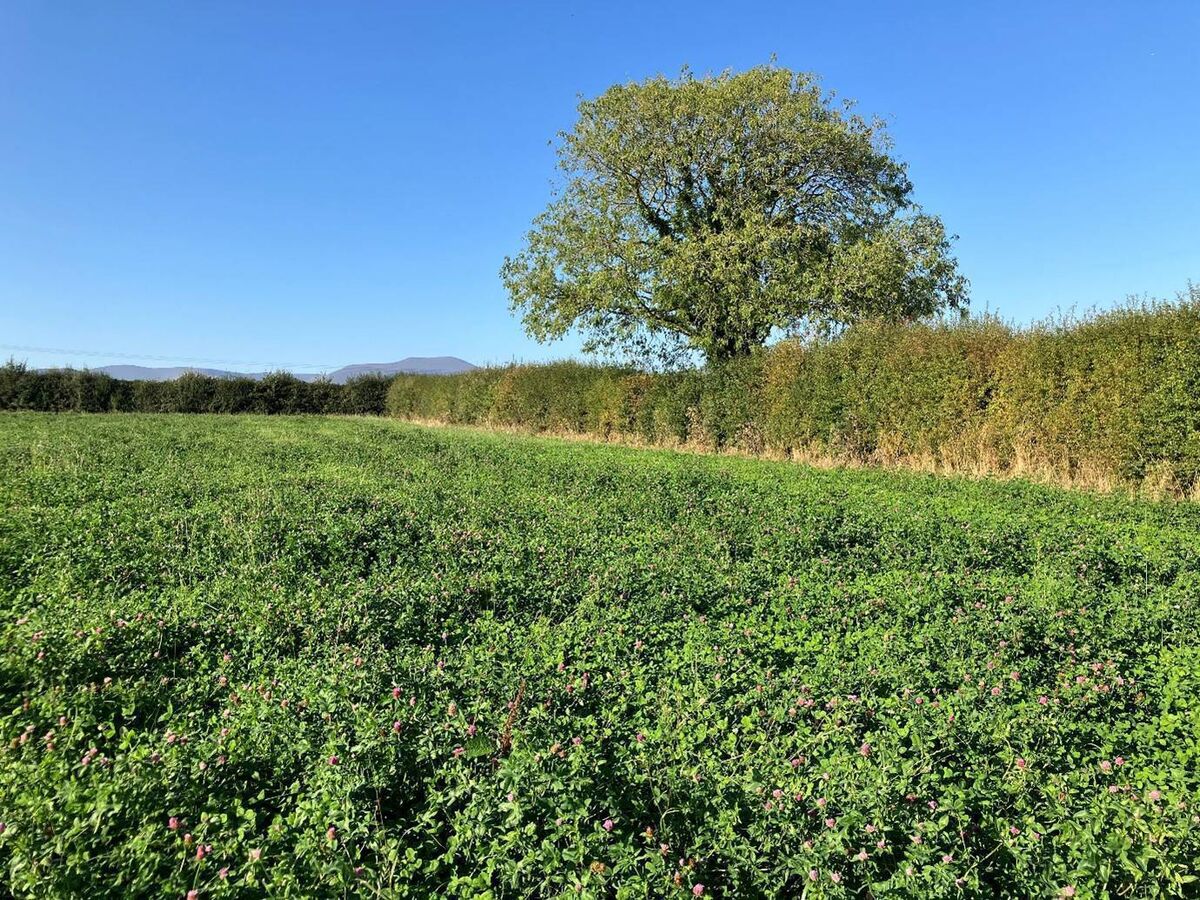
“Red clover is generally a silage crop, mostly because its growing point is high in the sward. It’s around 5cm, and if you like to graze to around 4cm, it’s going to be grazed out of the sward. With silage, it’s really important not to be putting out nitrogen on it. Slurry, yes, especially in the spring. Soil fertility is very important as well for red clover,” Dr Hennessy said.
For both red and white clovers, soil P and K is very important, to enable the plants to fix nitrogen which they need for growth. If soil fertility is below average, that will negatively impact the potential of the clover plant to persist in the sward.
“The reality is that you’ll get a few good years out of red clover, and then it tends to tail off,” Dr Hennessy said. “It certainly can be managed to persist longer, by making sure not to put out a lot of chemical N, or no chemical N, and just put slurry in the spring, by keeping up the soil fertility, by getting a late, light grazing so that there’s not a big heavy cover going into the winter. Ideally, that would be a silage cut,” she advised.
“There is research work being done, particularly around red clover, about breeding cultivars for longer persistence, and cultivars that might be suitable for grazing systems, through reducing the height of the growing point in the sward.”
Chicory in multi-species swards is increasing in Ireland. For chicory to persist, it needs to self-seed after flowering.
“That in itself is a challenge within our grazing system, to allow the rotation to be long enough. It’s going to be sown in a mix. Are you going to disadvantage everything else in the sward to allow the chicory to self-seed? If you do that, you’re going to reduce the overall quality of sward,” Dr Hennessy said.
“In New Zealand, chicory is often grown as a catch crop in the dry period, but it’s sown every year.”
There is little current international research on breeding a chicory cultivar more suited to grazing systems.
There has been considerable research over the past five years or more on multi-species swards.
“At the moment, it does look like chicory doesn’t persist in our systems. Plantain seems to persist somewhat,” Dr Hennessy said.
“It’s very difficult to give a recommendation around multi-species swards at the moment. That’s not to say that we close the door on them. I think there is still a lot that we need to figure out about them,” she said.
“There are lots of benefits that multi-species swards potentially can have, and I think the biggest challenge for our Irish pasture-based system is getting them to persist long term.”