Farmers urged to review structures as Revenue tightens rules on CAT relief
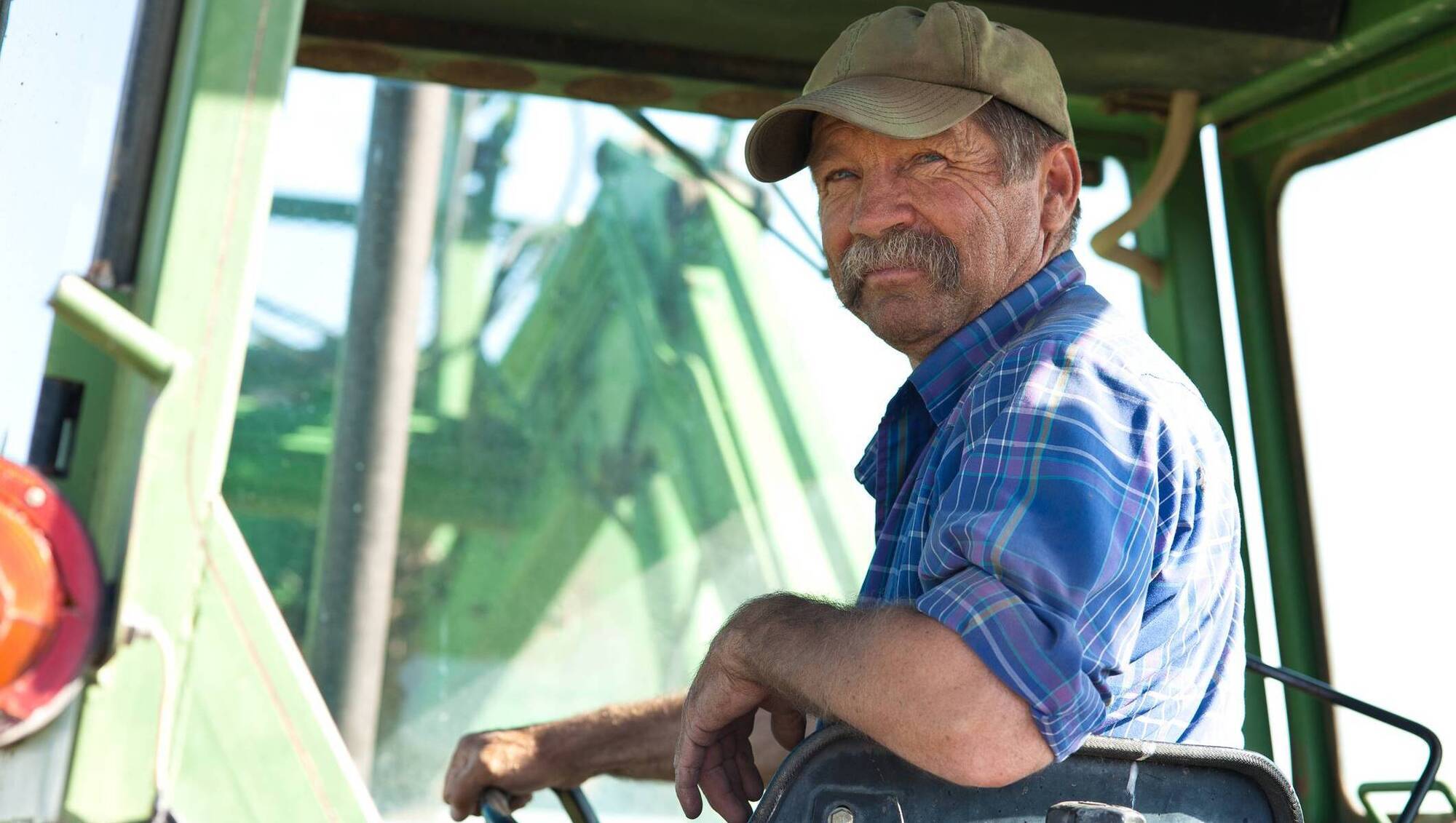
Missing out on the agricultural relief can be very costly, because the relief reduces agricultural asset value by 90%, for CAT calculation purposes. File photo
Farmers have been warned to have their affairs in order, or risk being innocent victims of a Revenue clampdown on non-farmers availing of agricultural relief from Capital Acquisitions Tax.
The Land Mobility Service has warned of tightening rules around farm transfers, which may make qualification for agricultural relief from CAT more difficult.
To qualify for the relief, the recipient in a land transfer must be an active farmer, or lease to an active farmer, for six years from receipt of the farm asset. Upon receipt of the farm asset, 80% of the recipient’s total assets must be agricultural. And the disposer who transfers the land must have actively farmed, or leased to an active farmer, in the six years prior to disposal.
CAT applies at 33% of the asset value of gifts and inheritances. Missing out on the agricultural relief can be very costly, because the relief reduces agricultural asset value by 90%, for CAT calculation purposes.
There are a number of other exemptions, reliefs, and thresholds which can reduce a CAT liability. For example, cumulative CAT-exempt transfer thresholds apply, such as €400,000 from parent to child; €40,000 to brother, sister, niece, nephew, or linear descendant; and €20,000 to others.
Now, the active farmer requirement is becoming an issue, according to the Land Mobility Service. Previously, more or less anyone with a herd or tillage number and submitting a farming income in their annual tax returns was considered an active farmer. These requirements will still apply, together with probably a BISS application.
"However, there are now so many different farming operating structures, and part-time farmers, those without a farming qualification may have to prove at least 50% of their time is spent farming," according to the Land Mobility Service.
While persons in share farm or farm partnership arrangements are generally active farmers, those operating farm companies may not be active farmers themselves, the owner and the company are two separate entities. Proper Revenue-stamped leases may be required between the owner and the farmer company.
The farm operating structure may need to be looked at, partnership arrangements are generally better suited to succession planning and inheritance tax.
Tighter agricultural relief rules also bring consequences for those leasing out. They need to be certain they have a proper lease to a qualifying active farmer. Questions that arise include if that person or entity has an agricultural qualification? If not, is the person or entity farming 50% of their time (have they a herd number, tillage number, tax number, tax returns?)
Have you a Revenue Stamp Certificate for the lease? Land and farm leases are required to be registered and stamped by the Revenue. As part of farm cross-compliance, scheme access, herd number applications, and herd status changes (adding a person, forming a partnership, forming a company), the Department of Agriculture requires Stamp Certs for all leases.
These are some of the important questions for a retiring farmer, who wants to eventually qualify for agricultural relief when transferring the farm. The Land Mobility Service advice for “Non-Farming Land Owners” is to either farm themselves (which can be effected through share farming or partnerships) or lease to an active farmer for at least six years.
If there are Agricultural Relief problems, Business Relief is an option. Business Relief applies to the transfer of a business; the transfer of a share in a business; or the transfer of shares in a company carrying on a business. Minimum periods of ownership and operation before and after transfer apply, typically six years.
A Macra na Feirme and FBD Trust initiative, the Land Mobility Generational Renewal, Facilitation and Support Service (to give it its full name) is a subsidised, independent expert service facilitating collaborative farming arrangements such as long leases, share farming, and partnerships. This provides options for landowners and opportunities for young trained farmers, and for any farmers and farm families contemplating expansion, changing enterprises, or stepping back.
The confidential service allows people to explore their options, and will help match landowners with farmers interested in long leases and collaborative arrangements such as partnerships or share farming, within or outside the family.
The Land Mobility Service urges farm families and landowners to ask themselves: "Who will be farming the farm in five years’ time?". If they cannot answer this question, it is time to explore and evaluate options, and the Land Mobility Service is there to help.