Dig deep or not at all? Why it might be time to think about shallow ploughing
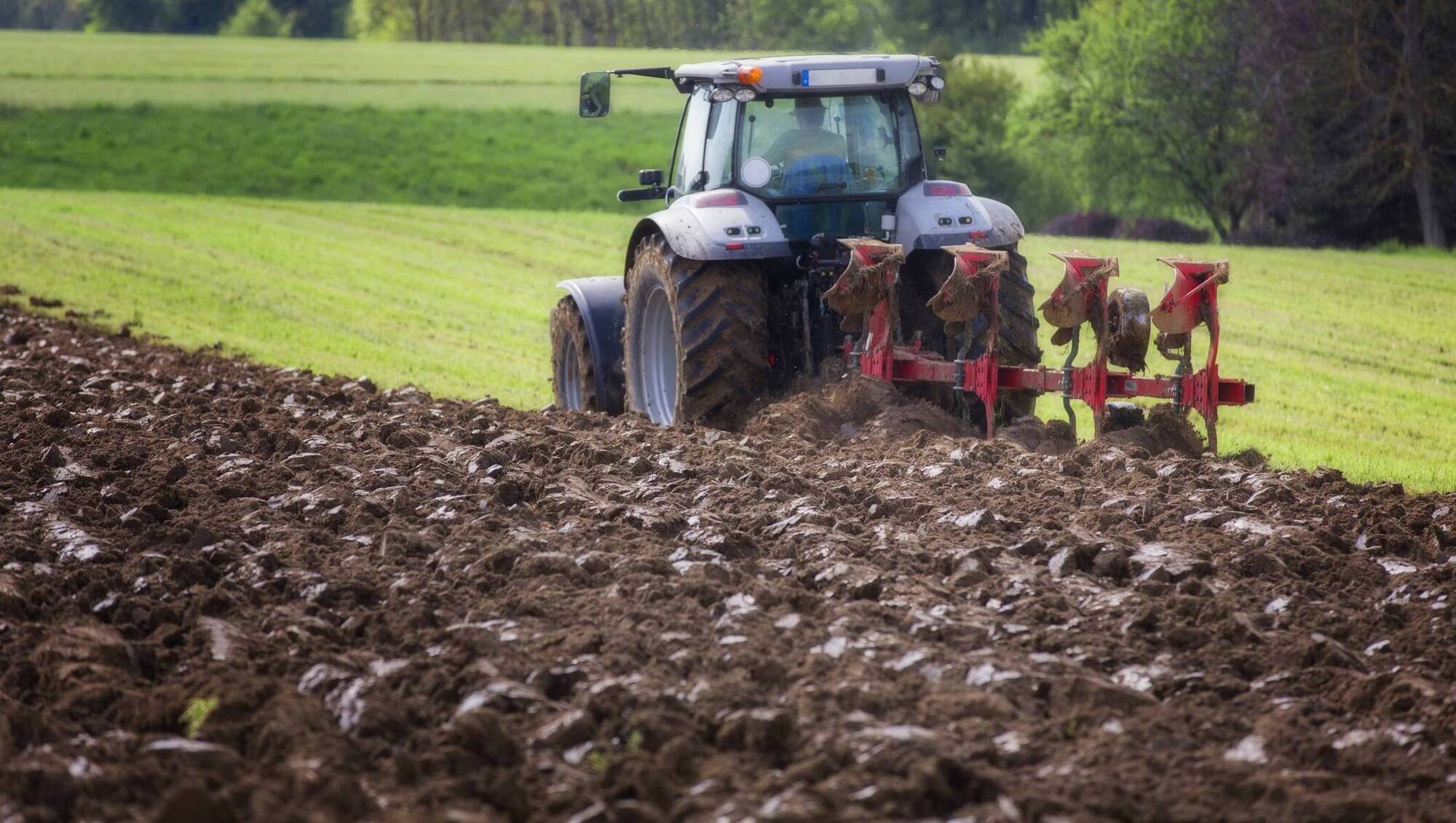
Ploughing is still widely practised, but there is also a variety of minimum tillage systems in use, including tine or disc planters, strip till, and direct drill systems in use in Ireland.
The basics of ploughing came up in the recent conversation between Tillage Edge podcast host Michael Hennessy and Dermot Forristal, a crops and machinery researcher at Teagasc Oak Park.
Mr Forristal questioned whether ploughing needed to be as deep as it often is in Ireland. He advocated ploughing only as deep as is necessary.
“I would very much think that, in many situations, we might be better off ploughing shallow, and then occasionally ploughing deep, if soil conditions demand it, from a compaction or another perspective.
“There are true shallow ploughs which are less than 150mm or 6in, certainly, maybe even down to 4in or 100mm. Now, that requires a different plough. Most modern ploughs will not happily plough below 150mm,” he said.
“Many people are ploughing 10in, 250mm, for cereals. We don’t need that. We should be back at 200mm, 2in than that. Seven to eight inches should be plenty for any cereal situation with a conventional plough.
"If we do that, we save a lot of energy. We save machinery costs, and we’re not over-loosening the soil. We are loosening a lot of soil, regardless of the crops that we’re sowing,” Mr. Forristal said.
“I think it’s good to work shallow, because it maintains more strength in the soil, if we don’t need to go deep. But if we get a season then when there’s been compaction, go deep that season, and come back shallow again after that,” Mr Forristal advised.
“The plough does tend to move soil from one side of the field towards the other, and if you have a perfectly rectangular field, then all you have to do each year is change the direction in which you’re ploughing. It will remain quite level. Practice is never as simple as that.
"You’re going from one straight edge or ditch over to the other. Then, the following year you would like to plough it in the other direction, but there’s always a little bit of compromise made somewhere, where you still have to meet one ploughing going in one direction, with one going in another, to try and square up the work. So, there is always going to be a little more unevenness with ploughing,” Mr Forristal said.
“I wouldn’t be too concerned if I were a plough-based farmer. I would try to keep it level. I wouldn’t be overly concerned with the natural unevenness that there is in ploughed ground. It doesn’t make a huge impact.
“There are issues alright with field corners. We’re tending to plough out the corners all the time, so the very corner of the field, particularly if you’ve a big plough, you’re going to be drawing the soil out of that, and that’s nearly inevitable, unless you had a front-mounted push plough, which is a very rare item that you don’t see anymore,” Mr Forristal said.
Michael Hennessy asked why some farmers in the midlands opt to use a slatted plough board, as opposed to a solid plough board.
“The main advantage and main use of those is in parts of the country where people would use the term that ‘the soil is very mellow’. It tends to stick to conventional mould boards.
"Where you have that problem, the slatted board can be useful, because it puts a little more pressure on the individual slats.
"So, if you can imagine that you’re turning a certain width of soil, rather than the full flat board being in contact, you’ve only strips of metal in contact. That forces them to clean those strips a little more. That’s the main use for slatted boards,” Mr Forristal explained.
He also spoke of drag presses, which can be used to level and pack the soil. Some modern ploughs may include a relatively light drag press mounted on the plough.
“It’s much lighter, it’s not a heavy press, but it requires you to set it up correctly off the plough, so that you’re forcing it down into the ground,” he said. Various arrangements of press and plough are available.
“There are certain soils that will benefit quite a bit from pressing,” Mr Forristal said.
Ploughing is still widely practised, but there is also a variety of minimum tillage systems in use, including tine or disc planters, strip till, and direct drill systems.
Each system has its dedicated followers, but many pragmatic farmers take a mix-and-match approach to suit their specific conditions, such as weed control and residue incorporation.
The reversible plough heralded a big change in tillage methods in Ireland, increasing the work rate by about 25%, and reducing the skill requirement somewhat.
“The plough was able to run continuously from one side of the field to the other,” Mr Forristal explained.
In contrast, Irish conditions did not suit innovations such as the Moore direct seeding drill, introduced in the 1970s.
“Our climate asks a little bit more of some of these systems than the UK’s climate. It’s just that little bit wetter and moister in autumn time when you’re sowing these crops, and these systems really came in for winter crop establishment rather than spring crop establishment.
"In those moist conditions, you tended to get a little more problem with grass weeds, a little more problem maybe with compaction in those conditions. That’s probably why they didn’t succeed the first time round,” Mr Forristal said.