Dry weather boosts Irish grazing but deepens drought risk in Europe
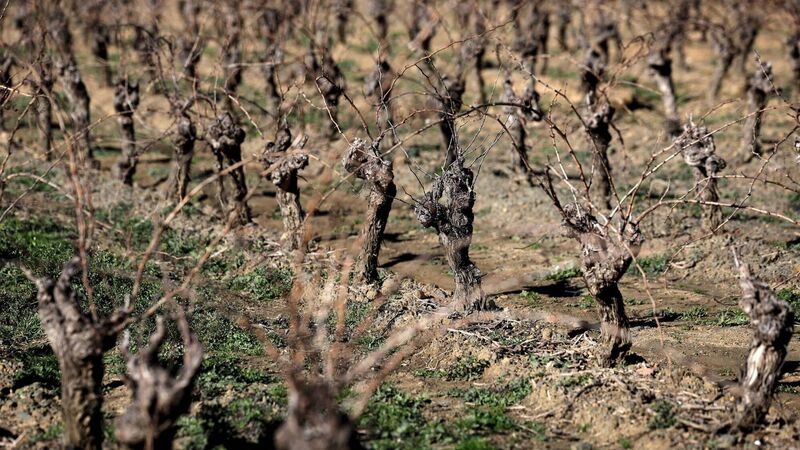
Soil moisture deficits are exceptionally high compared to average conditions for the time of year in large parts of Eastern Europe. Picture: Valentine Chapuis / AFP via Getty Images
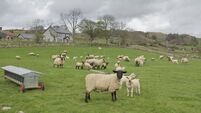
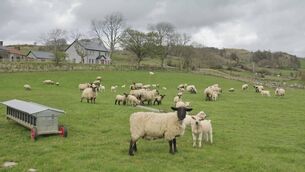
The lengthy recent period of dry and settled weather was welcomed by Irish farmers for getting the grazing season under way and for sowing crops.
In contrast, dry weather was the last thing needed by much of Central and Eastern Europe, where lack of soil moisture has increased the likelihood of a drought year, and the risk to the grain and crops harvest.
Much of Poland, Belarus, and Ukraine had an extremely dry winter, preventing regeneration of soils dried out in the previous summer.
"The areas currently affected by extremely low soil moisture levels are among the most productive grain locations in the world," said researcher Claas Nendel at the Leibniz Centre for Agricultural Landscape Research in eastern Germany.
Experts at the institute said if the dry spell continued, there may be delays in the germination of summer crops, and drought stress in young plants.
Soil moisture deficits are exceptionally high compared to average conditions for the time of year in large parts of Eastern Europe.
Rural areas are also at increased forest fire risk, including the Bavaria and Brandenburg regions of Germany, where the second highest forest fire hazard level was recently declared. Weather records show Germany had its sixth driest March since 1881. With further ongoing drought, there may be delays in sowing summer crops, and drought stress in young plants.
In Austria and Hungary, sufficient amounts of rain have helped agriculture. But the Combined Drought Indicator (CDI) of the EU's Joint Research Centre in mid-March showed a warning of drought conditions throughout the Iberian Peninsula and Italy, the south-eastern Baltic Sea region, Poland, Belarus, most of Ukraine, some regions of Greece, some areas of the Balkans, Cyprus, most of Turkey, Malta, and the southern Mediterranean islands.
What may come as a surprise was that south-east Sweden, Ireland, the UK, and a few spots in France and Germany, were included in the CDI warning. And Met Éireann last week was predicting soil moisture deficits to increase by between 5mm and 15mm generally, with some further dryness restriction to growth in most well drained soils, and in most soils in the east of Ireland.
At the time, that was not yet generally affecting grass growth, which was matching the five-year average. Soil temperatures were favourable for grass growth, at 8-10C, but very little rainfall was forecast.
The CDI mid-March report had "drought watch" conditions in central-eastern Europe, western Russia, Moldova, Romania, western Ukraine, eastern and central Alps, some regions in Turkey, a few areas in the southern Balkans, and small areas of the UK.
Further south, some Mediterranean areas, particularly in south-eastern Spain, Cyprus, and Crete, have had a persistent drought alert. Drought is even more intense and worsening in most of northern Morocco, northern Algeria, and some regions in Tunisia.
Drought alert conditions have been developing in central and south-eastern Turkey Syria, Lebanon, Israel, Palestine, parts of Jordan, northern Iraq, Iran and Azerbaijan.
However, Scandinavia, southern Great Britain, the northern central and western Iberian Peninsula, most of France, parts of Germany, Switzerland, most of northern and central Italy, wide areas in the western Balkans, the region across eastern Bulgaria and Romania, most of Hungary, and parts of Greece showed normal or recovery conditions.