Genetic breakthrough helps farmers avoid costs of infertile cattle
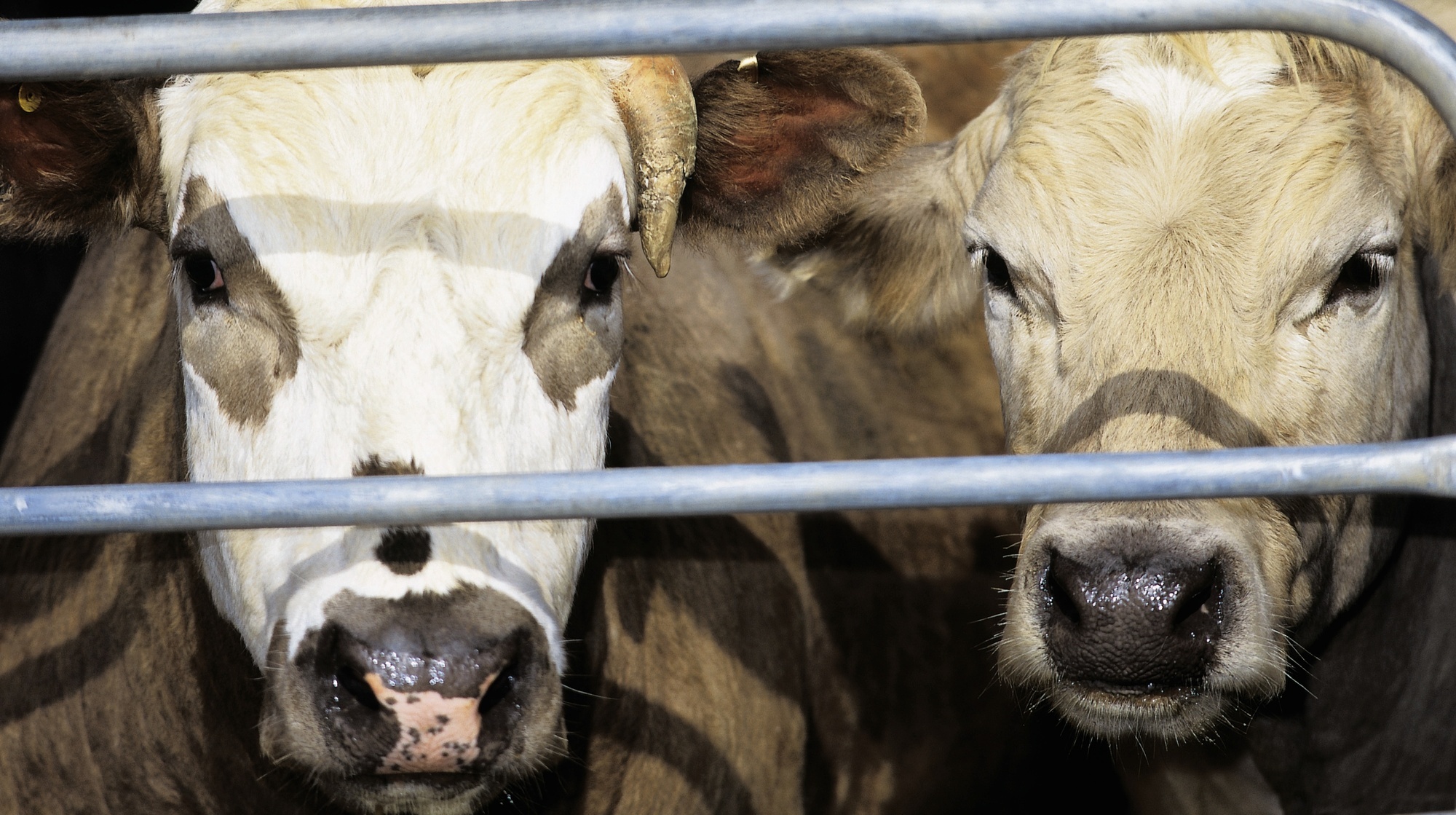
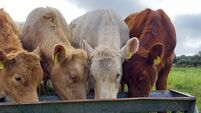
Animals with chromosomal abnormalities often appear normal externally, so their genetic condition typically goes unnoticed until they are either found dead or are eventually deemed infertile. File picture
Teagasc research has revealed how DNA information collected at birth can now be used to detect chromosomal abnormalities in livestock, helping to avoid the costs and challenges of rearing infertile cattle.
There are up to 1,500 estimated cases each year in Ireland of these chromosomal abnormalities, causing fertility issues, premature death in calves, and other health problems.
Animals with chromosomal abnormalities often appear normal externally, so their genetic condition typically goes unnoticed until they are either found dead or are eventually deemed infertile.
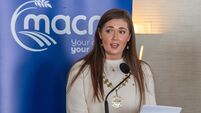
“The animal either has an extra chromosome, or else they’re missing a chromosome,” said Dr Cliona Ryan, genetics and genomics postdoctoral researcher at Teagasc Moorepark.
“Animals are generally infertile if they have an extra or a missing chromosome, or else they can die on the farm prematurely,” she explained, during a recent Teagasc Environmental Edge podcast.
“Once the animal’s genotyped, then the Irish Cattle Breeding Federation has that genotype. Systems are currently being developed whereby when an animal’s genotype comes into the ICBF, it will be flagged if they have an extra or missing chromosome.
"At that stage, we’re hoping to be able to contact the farmer and say ‘Look, there’s a chance that your animal is going to be infertile’,” Dr Ryan explained.
“About 0.062% of cattle in Ireland are born with this. It sounds very low, but it actually translates to about 1,500 calves born in Ireland every year.
“The biggest issue with this is that these animals generally look completely normal, so a farmer wouldn’t be able to pick them out and say ‘Oh, she has an extra chromosome’. They are generally infertile, but they look completely normal.”
Chromosomal abnormalities are not more prevalent in any particular cattle breed or sex.
Dr Ryan undertook research based on the ICBF database, studying about two million genotypes. “There were certain dams there, and they had one offspring that had this condition, and all the rest of them were completely normal. It’s just completely random.
“Fertility is the biggest issue. Most of them are infertile, and obviously, it costs about €1,500 to rear a dairy heifer, so if we can tell the farmer when the calf is born that she has an extra or a missing chromosome and that she’s probably going to be infertile, then they don’t have to spend €1,500 rearing an infertile heifer.
It is animals with non-sex chromosome duplications that die prematurely. In Dr Ryan's research, most of the premature deaths were within the first two weeks, but some died at up to 32 months old. By detecting issues at birth, farmers can make informed decisions about breeding and culling.
“Farmers don’t have to pay anything extra for this information,” said Dr Ryan.
Traditionally, a process called karyotyping was used to detect chromosomal abnormalities. This involved taking a blood sample from an animal, staining the chromosomes to make them visible, and then physically counting the number of the chromosomes under a microscope.
“The issue with that method is that it’s costly and very labour-intensive. It takes a good few weeks to do, and it costs around €60 per animal,” Dr Ryan explained. A whole-population screening of cattle in Ireland to identify affected individuals would cost €150m annually.
Specifically, for young bulls in Ireland that will potentially be used for artificial insemination, the karyotype testing costs approximately €600,000 annually.
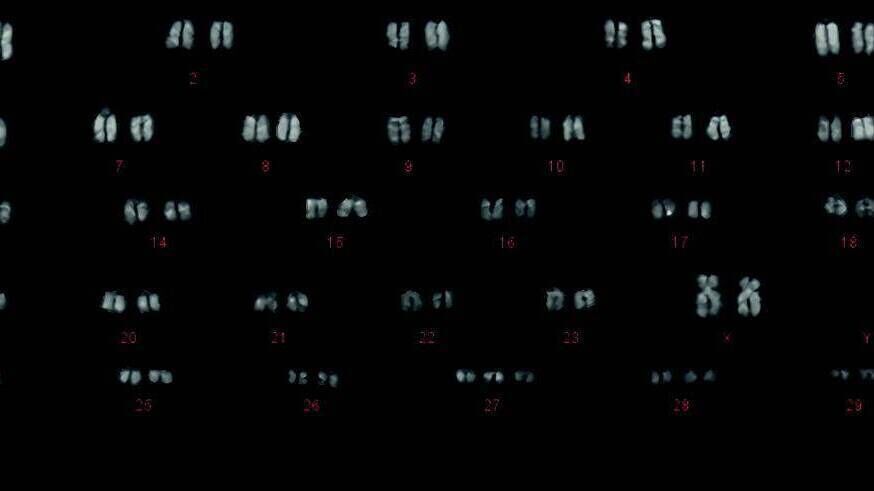
However, Moorepark researchers have pioneered a novel strategy. By using existing DNA profiles from the national cattle genotyping scheme, it’s now possible to detect the number of chromosomes per animal at no additional cost to the farmer.
“About 40% of all animals in Ireland are genotyped at the moment, and that is increasing, with the National Genotyping Programme,” Dr Ryan said.
The techniques developed by Teagasc researchers for identifying chromosomal duplications and deletions are not limited to cattle. The Teagasc researchers have collaborated with the Irish Horse Board.
“We found that horses can have these conditions as well. We’re hoping to do it in sheep too,” Dr Ryan said.