Herd Tasks: Your weekly farming checklist
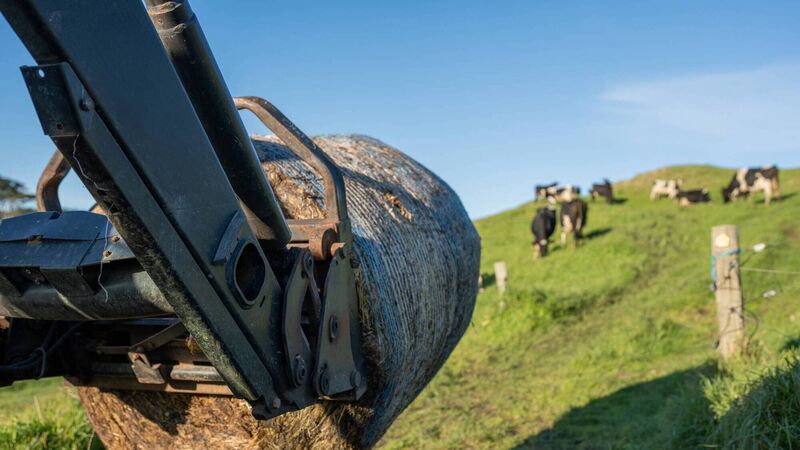
Low protein in a dry cow diet will adversely affect both the quality and quantity of colostrum. Many herds with low protein silages are struggling with beastings quality and volume, writes ruminant nutritionist Brian Reidy.
- I continue to notice a lot of lice on cattle over the last few weeks. Many have had to treat cattle twice or three times already this winter.
- Clean out water troughs regularly. I have seen cleaning out troughs make a huge difference to animal feed intakes. Particularly finishers on large volumes of concentrates.
- Dairy cows need big volumes of clean water each day to perform - typically around 5-6 litres of water per litre of milk.
- Continue to feed dry cows a targeted diet to prepare them correctly for their lactation.
- Feed a little concentrate to dry cows to prepare the rumen bugs for future lactation.
- Low protein in a dry cow diet will adversely affect both the quality and quantity of colostrum. Many herds with low protein silages are struggling with beastings quality and volume. Some soya will help to address this.
- If calves are weak after birth, you should review your dry cow diet fast. Look at silage quality, mineral supplementation and concentrates being offered.
- A quality dry cow mineral is essential right up to calving.
- The same review must be undertaken if a proportion of cows are holding cleanings or getting milk fever.
- Match your silage with appropriate concentrates for fresh calvers.
- Continue to feed dry cows according to Body Condition and restrict energy if they are getting fat.
- Get calves off to the best possible start with a good supply of colostrum.
- Lazy drinkers should be stomach tubed if necessary, within the first few hours.
- If you have vaccinated cows, then the full benefit will not be transferred to the calves if sufficient colostrum is not consumed.