Calf-rearing a real collaboration
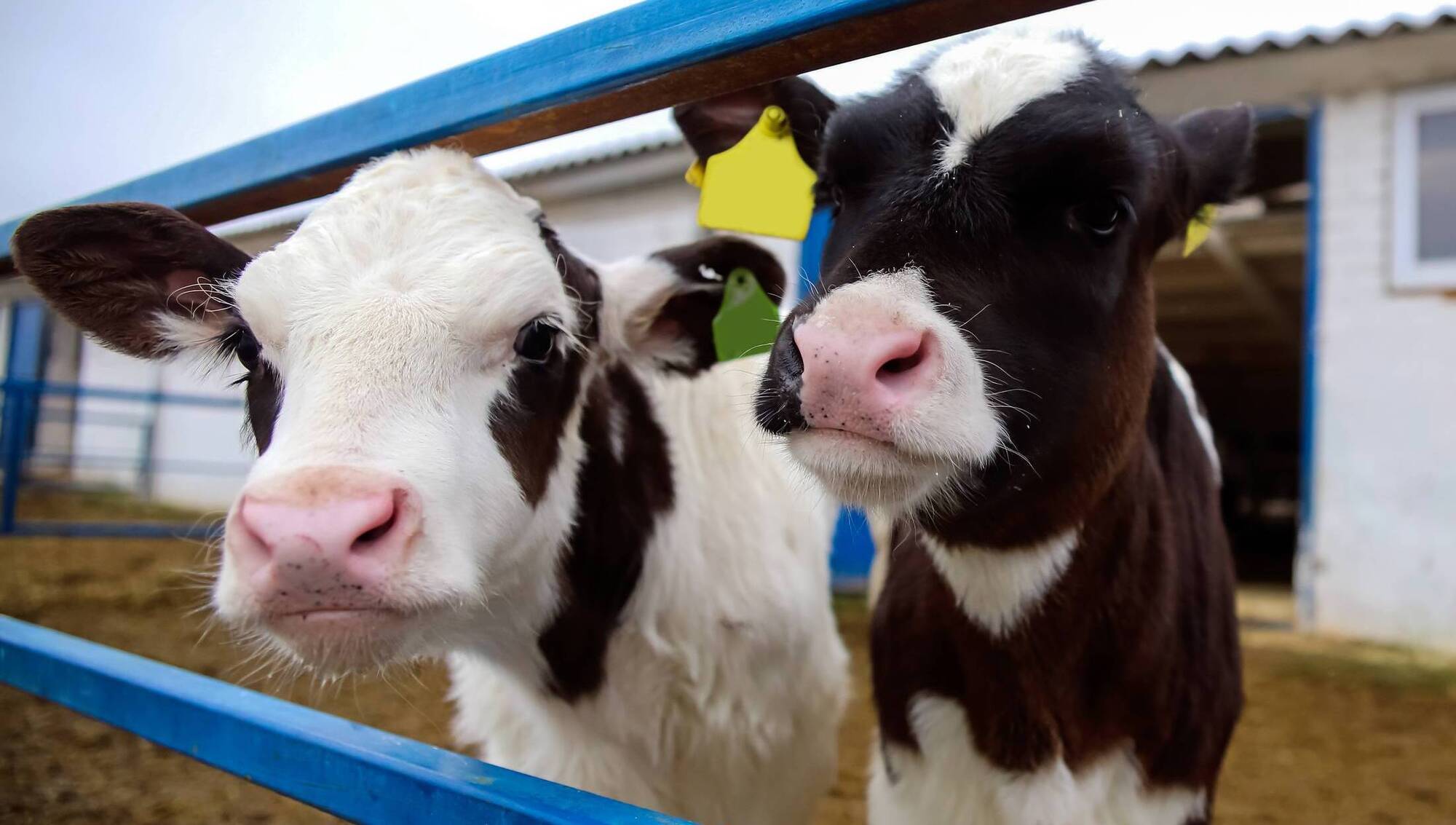
Keeping groups of calves together, just like friendship groups in schools, is important, writes farm vet Hazell Mullins.
Calf-rearing a real collaboration

Keeping groups of calves together, just like friendship groups in schools, is important, writes farm vet Hazell Mullins.

Calf health is a collective effort from all parties involved in the rearing of an individual calf; this was very evident at last week’s Animal Health Ireland Calf Care event. 

I spoke at the event in Drimolegue, and it was a fantastic day for the dairy farmer and the dairy-to-beef farmer. Their roles in the crucial first 12 weeks of a calf’s life are not to be underestimated and these events focus on achieving optimum success for both parties.

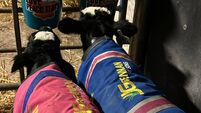
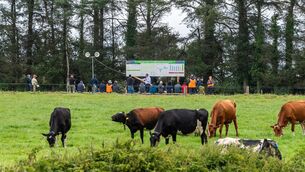
The way the events work is that there are four boards with different topics that groups rotate around and spend about 20 minutes at each board. It. It is a great way of focusing on key topics under the calf care umbrella without being overloaded with information.

The first board discussed transition feeding and rumen development, making sure to get the basics right. These include supplying fresh concentrates daily, a daily milk-feeding routine and lots of clean fresh water. 

The second board was focused on CBV values and dairy to beef index (DBI), this was particularly interesting for me as I want to improve the breeding quality of my beef calves on the farm. The main points were to aim for a DBI of over 100 and a carcass weight value of +10 kg when choosing a dairy to beef bull.

My board was next to my section, where I spoke on all things pain management during the calving season. The main focus was on disbudding and post-calving for the cow. The mums in attendance certainly agreed that pain relief after a hard calving would be a benefit to the cow.

In my opinion, “a hard calving” would be classed as anything that wasn’t straightforward; a jack was involved, or the vet was called to assist. Meloxicam is my drug of choice as it gives up to 72 hours of cover at a rate of 2.5ml per 100kg; however, be mindful that it does have a five-day milk withdrawal.

The main aim of post-calving is to get the cow up and eating as soon as possible to prevent metabolic diseases such as ketosis, pain relief will help to keep intakes high and reduce this risk.

Disbudding pain relief

The main focus of my talk was the use of pain relief during disbudding. I am a huge advocator of using non-steroidal at the time of disbudding as the local anaesthetic will only last for approximately 90 minutes, and then the non-steroidal comes to the rescue for prolonged pain relief. 

Meloxicam is licensed for use at disbudding, and there have been many trials that show it will reduce the level of head shaking, ear twitching and appetite loss in the 48 hours post-disbudding.

I wrote last year about the calf that, unfortunately, I missed giving the non-steroidal to, and he was miserable that evening when compared to the others, with no interest in food and constantly shaking his head with discomfort. 

Did I run for the bottle of meloxicam that evening, and he was just like the rest of the calves at the next feed, content and comfortable? Talk to your vet about the use of non-steroidal this spring on the farm, it will make a huge difference to recovery and feed intakes.

Intranasal vaccines

The final board was all about pneumonia prevention through good housing quality, the quantity of bedding and optimising ventilation. Live Intranasal vaccines are superb for dairy to beef enterprises especially where calves from different farms are sharing an air space in the shed. 

In an ideal world, a prior agreement with the dairy farmer could be reached to vaccinate the calves for sale about a week before the sale to have the immunity built up when they arrive in their new home. 

It’s like an extra shield them against new viruses they may come in contact with in their new environment. Think about it like sending a child to creche for the first time, mixing with new friends and catching all the bugs in the first few weeks, the vaccine can help to limit this from happening. 

If the plan is to vaccinate calves on arrival to the farm, it is important to give at least 24 hours for the calves to settle as the immune system could be under stress due to the change in the environment.

Mixing of calves

Keeping groups of calves together, just like friendship groups in schools, is important. They will be less stressed in their familiar social group, not to mention reducing their direct exposure to new pathogens. 

Diet is another factor when it comes to moving calves from the dairy farm, knowing what there being fed and their routine can make for a better transition. If the milk replacer can be of similar quality it will cause less stomach upsets when transitioning. 

Calves are creatures of habit, there is a lot of common sense involved to keep not deviating too much from the normal routine they are used to on the dairy farm.

A funny story I heard from a client was they bought a group of calves and there was one calf that was afraid of the dark as he bawled through the night until the minute you turned on the shed light. 

Perhaps it was because he had listened to too many ghost stories or maybe a little bit more like that the dark was a completely new experience for him as the lights in the dairy farm were always on.

The benefits of the Animal Health Ireland Calf Care Day were in abundance to both the dairy and the dairy-to-beef systems- working in collaboration with each other.

Communication pre-sale is the gold standard if achievable as the two farmers can discuss their systems and setups. For example, with disbudding, try and do it presale as to reduce the stress in the new environment. If not possible, wait a few days for the calf to settle into their new routine before disbudding.

I am going to bring my Dad along to one of the Calf Care events this time, too, as I think he will enjoy it - a little father-daughter day before the madness of spring sets in. We are calving a little later this year due to weather conditions last year, enjoying the downtime for now.

  • Hazell Mullins BVM BVS, is a large animal vet based in Carrignavar, Co Cork.

More in this section

Farming

Newsletter

Keep up-to-date with all the latest developments in Farming with our weekly newsletter.

Cookie Policy Privacy Policy Brand Safety FAQ Help Contact Us Terms and Conditions

© Examiner Echo Group Limited