Signs of lamb market easing, as processors pull back
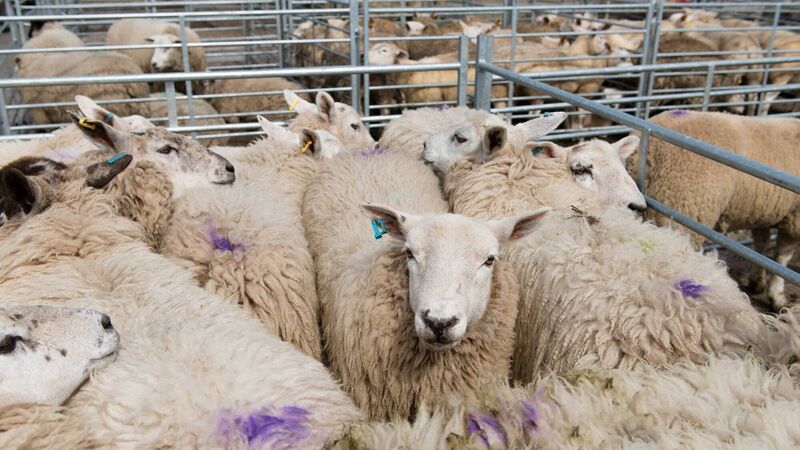
Sheep prices / lamb prices
After a record run of record-making trade for the lamb/hoggets, prices have eased at the factories this week, reportedly on the back of instructions from the factory bosses to their agents to 'cool down' the expectations of producers.
Some of the plants have contributed further doubt to the trade for this week by refraining from quoting forward for the coming days.
Quoted prices on Monday were back by 10-20c/kg to range 890-900c/kg at the factories, with the quality bonus worth 20-20c/kg to be added, while the interest from the processors in securing a good intake was reported to be holding in a positive mode.
Suppliers to the factories reported that 920-930c/kg was generally being paid, and some deals at up to 940c/kg at the upper end of the trade were still possible for regular suppliers in particular.
The outlook delivered to producers at the Bord Bia Sheep Conference last week was a shade less positive than producers would have hoped for. It was outlined that the base for trade forward is less certain, with consumer demand for lamb under some pressure on export markets, despite the overall decline in production, which is ongoing internationally.
However, there was a lively trade for all lots at Kilkenny Mart on Monday, where an entry of 550 head was on offer.
There was a top price of €242 paid for a pen of five butcher hoggets weighing 71kg. A lot of five weighing 58kg sold for €236, with eight weighing 58kg making €223, and a large pen of thirty-five weighing 54kg selling for €225.
The factory type was in good demand at up to €161 over.
However, IFA Sheep Chair Adrian Gallagher said farmers should not be panicked by unfounded negativity from factories on market conditions.
"Market conditions point to a strong start for sheep meat prices in 2025 driven by reducing supplies in all sheep-producing countries," he said, commenting following the Annual Bord Bia Review and Outlook seminar on Friday, where reduced supplies of lamb across the EU and from NZ and Australia were identified as the key drivers of the trade for the year ahead.
Attendees heard supplies of lamb here will be extremely tight, particularly early in the year, and with Chinese and US imports increasing from NZ and Australia, cheaper imports to the EU and UK markets should be diverted to these markets, helping drive demand for Irish sheep meat in our well-established markets.
"The reality is numbers of suitable sheep for processing on the ground are extremely tight, factories have very lucrative customers to service each week and simply must maintain and build on the prices these markets have become accustomed to paying for sheep meat. Farmers should continue to sell lambs as they become fit, but shop around and strongly reject any unfounded negativity around market conditions from factories and their agents," he added.