How soil types can impact nitrate levels on farms
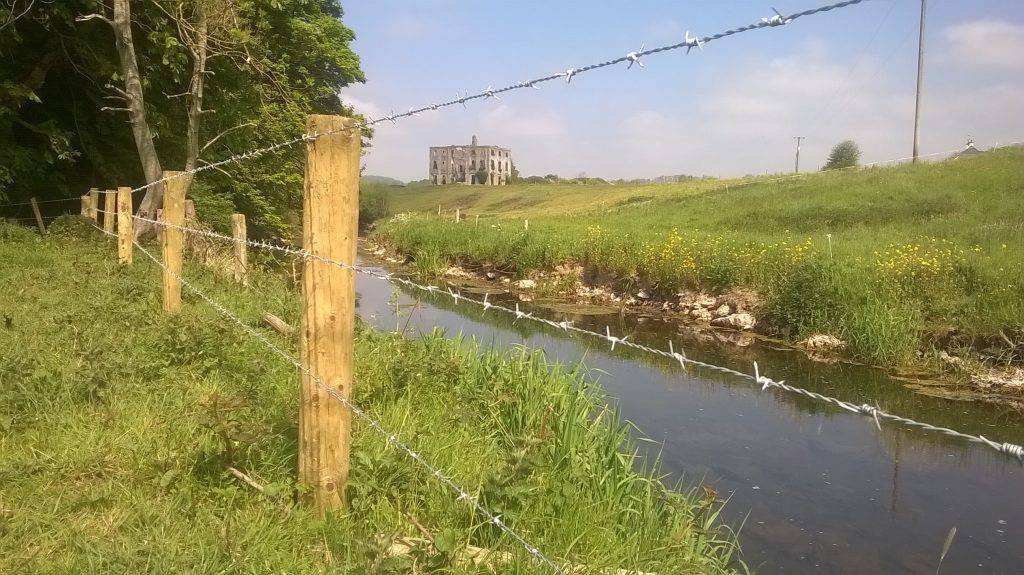
'Our heavy clay soils will typically have higher phosphorous levels, and lower nitrate levels.'
Some of the mysteries of agricultural water pollution were explained by Teagasc Agricultural Catchment Specialist, Eddie Burgess, on a recent Environment Edge podcast.
“The type of farm that is most problematic for nitrate probably doesn’t have a watercourse on it at all, because in a free-draining soil type, when it rains, the water percolates down through the soil, and there aren’t streams or ditches on it, and because the soil is so free-draining, that’s where nitrate is more than likely going to be coming from,” Eddie said.


Read

Listen

Watch

Play







Farming
Newsletter

Stay ahead of the season. Sign up for insights, expert advice and stories shaping Irish agriculture.
Farming
Newsletter
Stay ahead of the season. Sign up for insights, expert advice and stories shaping Irish agriculture.


Revoiced
Newsletter
Had a busy week? Sign up for some of the best reads from the week gone by. Selected just for you.
Lunchtime News
Newsletter
Get a lunch briefing straight to your inbox at noon daily. Also be the first to know with our occasional Breaking News emails.
Most Read
Thursday, October 8, 2026 - 8:00 PM
Thursday, October 8, 2026 - 9:00 PM
Thursday, October 8, 2026 - 9:00 PM