'A new era in drying off' — my take-home points from the cell check conference
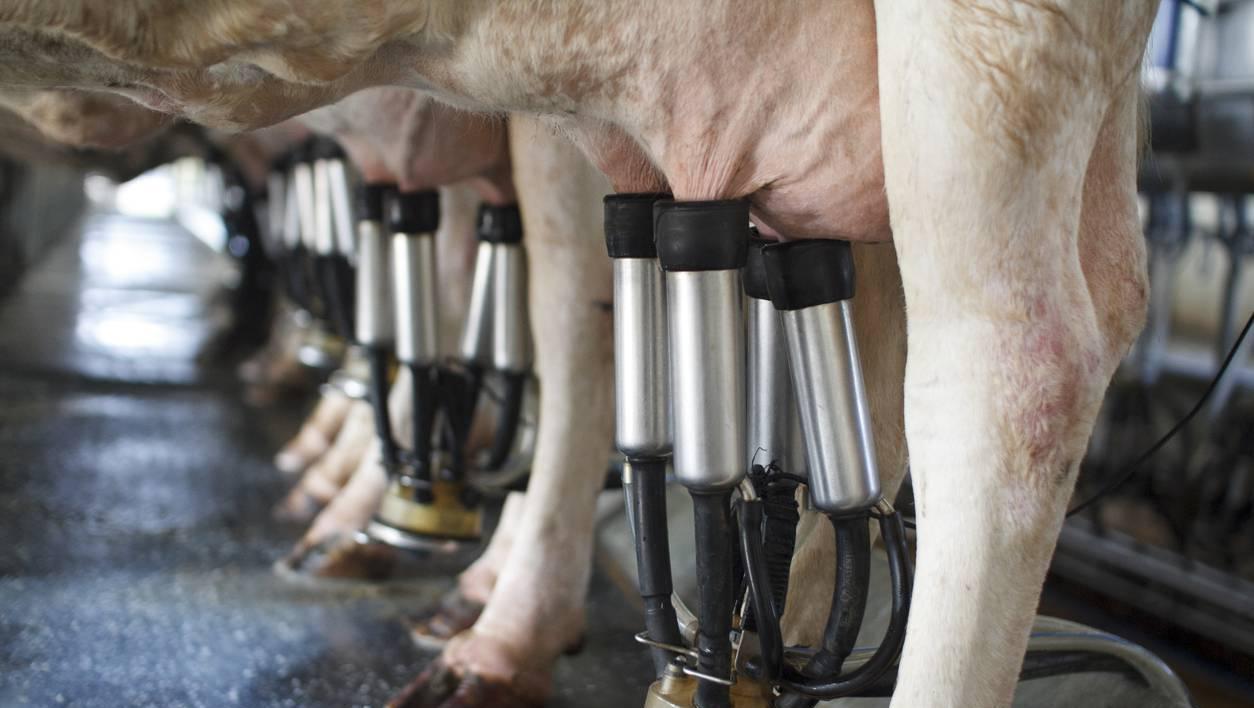
The main message of the day was hygiene, hygiene, hygiene, the key to success is simple and it’s all about being good at the basics. “Keep Teats clean” is a simple but effective motto quoted from the conference.

Once the “the ploughing” is over and out, it’s time to think ahead to the shorter evenings, the cooler mornings and of course the dry-off season. Kilkenny was host to numerous stakeholders involved in the Animal Health Ireland Cell Check Program and it was a great refresher for the dry-off season ahead.
Channelling Taylor Swift herself the conference was aptly named “Drying off in the New Era”, the era of course is that of responsible use of antibiotics on farms.
I was unaware of the ongoing studies that Teagasc is undertaking currently looking at selective dry cow management. The preliminary results are very interesting especially when it comes to choosing SCC thresholds for selective dry cows.
The main message of the day was hygiene, hygiene, hygiene, the key to success is simple and it’s all about being good at the basics. “Keep Teats clean” is a simple but effective motto quoted from the conference.
We are installing new Easyfix cubicles and mats on the farm in an old shed to improve cow comfort and hygiene standards. The old mats were beginning to develop cracks and pool liquid which made cleaning them to the standard I wanted difficult.
They served us well for over the last 30 years but they were certainly due for an upgrade. I am strangely looking forward to seeing the cows in the cubicles, however, I am more than happy to wait for a few months yet.
We started using sublime on our farm last year with good results with no extra cows calving down with high cell counts when compared with the traditional cubical lime. The message from the conference is that twice a day is optimal for preventing new infections.
It should be the standard for the entirety of the dry period, especially the risk periods of infection which are two weeks after dry-off and two weeks leading up to calving. This is due to the sphincter malfunction at these times and the udders may be fuller which can lead to the teats opening to allow bacteria to enter.
Subclinical milk fever in the week before calving can also lead to the teat sphincter prematurely opening. An interesting concept was to house all sealer-only cows in a special group and make sure the hygiene was second to none in this group for the dry-off period.
One take-home message was that the infamous thresholds that are discussed at length when selecting the cows for sealer only are not straightforward. They are far from a one-number answer and they can differ greatly between farms when factors such as current SCC, stocking rates, housing facilities and labour on the farm are taken into account.
Please discuss with your vet the thresholds that they feel are most appropriate for your farm, this can be done as part of the funded TASAH dry cow consults and cell check solutions consults now open for registration. These consults are a great way to gain confidence with selective dry cow management and help select suitable cows for sealer only.
Results from a recent study in Teagasc compared different drying off protocols with cows with cell counts of < 50 SCC and <150 SCC over their lactation and compared post-calving SCC results with and without antibiotic inclusion in the dry-off therapy. They had a gold standard drying off approach which started with tail clipping before the dry-off day, pre-dipping teats plus waiting 30 seconds, double disinfection with alcohol wipes and partial insertion of the nozzle in the teat.
Without these extra steps in the standard dry-off procedure, the SCC rose after the dry period when using sealer-only but there was no increase in SCC when this gold standard dry-off was used. It just highlights the importance of hygiene for the success of selective dry cow therapy.
The importance of milk samples for culture and sensitivity was highlighted before choosing dry cow tubes this year. Choosing at least four high cell count cows to sample will give the best overall picture of the bacteria causing issues with udder health on your farm.
Simple things like good sampling techniques and delivery to the labs can have a huge impact on the success of the samples. Contamination is the main reason for people losing faith in the practice. Samples should be taken as sterilely as possible from the high cell quarter itself for best results.
Treating that high cell quarter like you would that of a sealer-only cow will ensure you get a non-contaminated sample. Make sure to get sterile bottles from your vet and not to use jam jars or pots for milk recording as they have a preservative that prevents bacterial growth on the agar plates.
Talk to your vet about the best cows to choose for sampling and get sampling as it can take a few weeks for results to come back, timing is crucial. Then it’s down to getting those viable samples to the lab as soon as possible.
Taking them on a Monday morning gives the most time to get them delivered promptly without being worried about weekend delays. It's important to keep bacterial growth to a minimum in the sample pot before delivery, refrigeration and maintaining a cold chain during transport by, for example, the addition of cool packs which can make all the difference.
The conference highlighted that selective dry cow therapy is farm specific, attention to detail is vital and is a shift away from blanket dry cow therapy which needs confidence to grow and trust gained. This may not happen overnight but it’s a journey that we all need to embark upon to reduce the incidence of antimicrobial resistance in the future.