Herd Tasks: Your weekly farming checklist
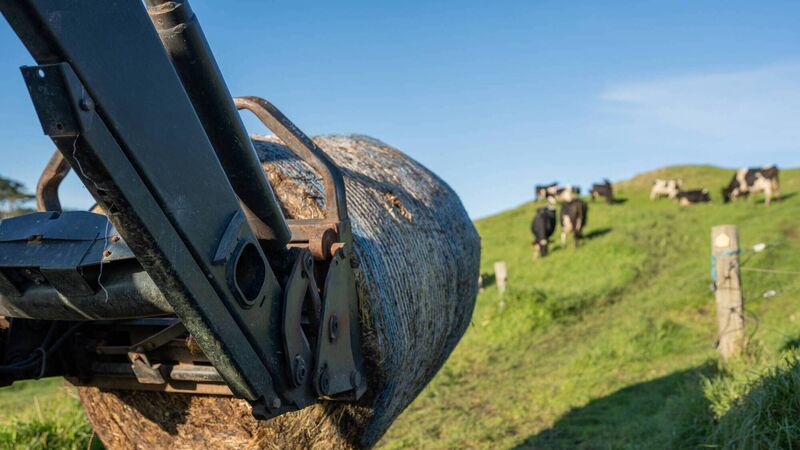
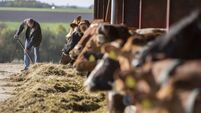
Feeding silage and extra meal can help to stretch grass.
- Request a silage analysis if you have not already done so.
- Test for feed nutrients and Minerals so that a feed and mineral plan can be accurately constructed for the winter.
- Prioritise available grass for the most productive stock on the farm.
- Banking grass has been impossible to do this year, so supplementing animals with forage and concentrates outside may be necessary to stretch grass in order to keep them out longer.
- For some, housing of advanced beef cattle may be the first way to stretch grass and get animals away to slaughter earlier, thus saving on silage by feeding these increased levels of concentrates.
- Grass quality is deteriorating as it always does in September.
- Supplementation of additional dry matter and protein is necessary at this point.
- Feeding silage and extra meal to stretch grass will also help to maintain milk yield and solids at this stage of lactation.
- Autumn calving is now in full swing-make sure that newborn calves get sufficient colostrum within the first four to six hours of life.
- Most are creep-feeding spring calves - make sure that the concentrate being fed contains good-quality ingredients to encourage intake.
- Get calves to be weaned, castrated, and dosed well in advance.
- Continue to supplement suckler cows with Magnesium licks as nights are a bit cooler, and there is a bit of Tetany around.
- Keep a close eye on freshly calved cows to ensure that they have passed all of their cleaning. Cows can get very sick if they have retained any of the foetal membrane. It is harder to spot when they are outdoors. It will have a major effect on her future reproductive efficiency and early intervention is crucial. The more times a cow cycles before you commence breeding, the better chance you have of getting her back in calf.
- Keep dosing up to date - I have seen a lot of stock lately who are long overdue a dose and are showing all the signs of it. They are coughing, and when I enquire, it has been too long since the last treatment.
- Watch that cattle on heavy feed are not getting acidosis.
- Look for loose dungs, cud balls, drooling of saliva and lameness.
- Cattle standing back when meal is fed is never a good sign.