New deforestation regulations cloud future feed market
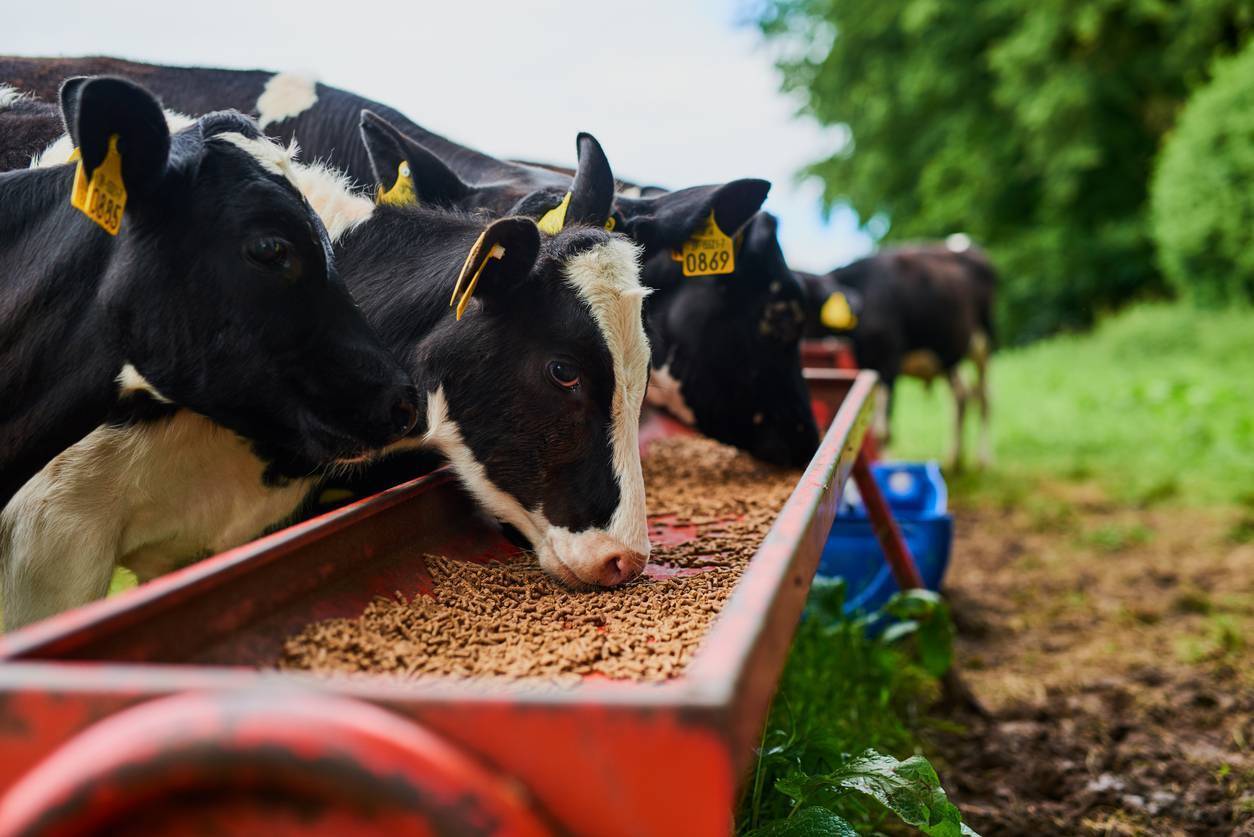
All have underlined uncertainty due to the lack of legal clarity and information from the European Commission. Picture: iStock/Getty Images
The Irish Green and Feed Association says feed material suppliers have been unable to provide compound feed producers with solid market offers for the first quarter of 2025 because of the EU Deforestation Regulation.
The EUDR regulation will require from December 30 that EU-based importers provide detailed documentation, such as geolocation data, to show a product did not originate from land deforested after 2020, and that it was produced in accordance with local laws.
Much of this certification burden will be passed on to farmers, manufacturers, and exporters in countries where the affected commodities (coffee, cocoa, cattle, palm oil, soy, wood, and rubber, and their derivatives) are produced.
World Bank research has shown the EUDR’s impact on exports from low-income and middle-income countries is likely to be significant, with up to 22% of South America’s exports to the EU affected.
In July, several EU agriculture ministers called for a review of the EUDR timeframe for implementation. Ministers, including Ireland's Charlie McConalogue, questioned if improvements needed to EUDR benchmarking systems and information systems could be completed before the regulation comes into force.
They are among a worldwide chorus calling on the EU to postpone the EUDR implementation deadline, including trading superpowers such as Australia, Brazil, China, Canada, Indonesia, New Zealand, Columbia, Malaysia and the US.
All have underlined uncertainty due to the lack of legal clarity and information from the European Commission.
China (the world’s largest forestry source) rejected key parts of the EUDR, refusing to share the demanded geolocational data with the EU over “security concerns”.
Europe's main political group, the European People’s Party (EPP), wants postponing implementation of the EUDR to be a priority for the EU administration when it returns from its summer holiday.
Some EU farmers may welcome the clampdown on commodities such as cattle produced on deforested lands in South America. But it could equally affect the vital imports of soyabean meal for feeding on EU livestock farms.
For animal feed manufacturers, the usual early September ordering process for soyabean meal supplies for early in 2025 has been disrupted, particularly for poultry and pig feed suppliers.
FEDIOL, COCERAL, and FEFAC, representing the EU vegetable oils and protein meal industry, the oilseeds and vegetable oils trade, and the compound feed and premix industry, warned the European Commission, member states, and competent authorities that EUDR and trader systems and procedures must be ready well ahead of December 30.
In June, they warned many essential aspects of compliance remained vague and unclear, and any delays would increase supply chain disruptions in the EU.
The EU says by promoting the consumption of "deforestation-free" products, the new regulation would reduce greenhouse gas emissions and biodiversity loss.
The EUDR will assign a low, standard, or high-risk level associated with deforestation and forest degradation to regions both inside and outside the EU. This risk classification will determine the obligations of operators and traders (which apply from December 30 for large companies, and from July 2025 for small or medium enterprises). Those not in compliance can be fined and have their products seized.
Some fear the EUDR could plunge world commodity trading into chaos at the end of December. The global forestry industry is particularly pessimistic. The American Forest & Paper Association said: "The unachievable traceability requirement could cause major trade disruptions between the EU and the US."
Its members export about €3.5bn worth of products to EU countries annually. It said the US pulp and paper industry was not linked to global deforestation and forest degradation, and the EUDR’s strict geolocation traceability requirement to trace each product shipment back to a specific real estate plot could pose technical trade barriers for the complex supply chain and fibre flow process in the USA.
For example, some products are made from leftover sawmill material and forest residues which are blended multiple times. Tracing each individual wood chip from the original forest plot of land to a final product was effectively impossible, concluded the AF & PA.
It warned if its members could not overcome traceability technical barriers, EU manufacturers would not receive the 60% US-origin specialty pulp that EU manufacturers use to make diapers, menstrual and incontinence products.
The European Confederation of Woodworking Industries said the timeframe for the new obligations was shorter than has ever been imposed for comparable European legislation. It said the EUDR obligations were objectively unclear, as evidenced by the European Commission having to publish 86 responses to industry queries.