Plant disease breakthrough could lead to anti-bacterial pesticides
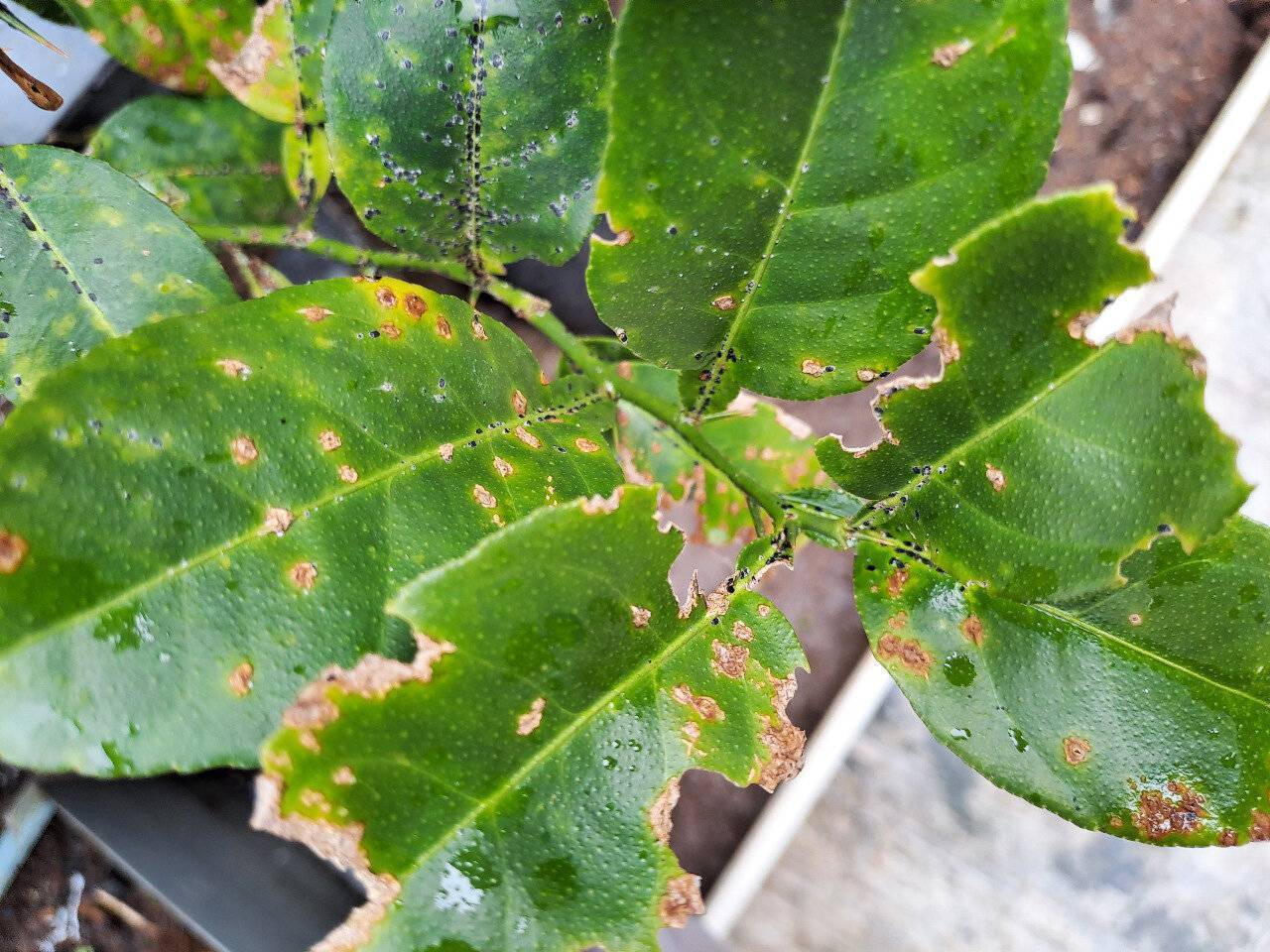
Xanthomonas species are notorious plant pathogens that affect a broad spectrum of hosts, including key crops like rice, wheat, and tomatoes. Picture: Tokyo University of Science.
Researchers from Tokyo University of Science have uncovered a pivotal enzyme with a critical role in synthesizing a key compound used by Xanthomonas pathogens to enhance their virulence against plants.
The discovery of XccOpgD and its role in plant disease marks a major breakthrough in agriculture and opens new avenues for developing targeted pesticides that combat plant diseases without harming beneficial organisms.


Read

Listen

Watch

Play







Farming
Newsletter

Stay ahead of the season. Sign up for insights, expert advice and stories shaping Irish agriculture.
Farming
Newsletter
Stay ahead of the season. Sign up for insights, expert advice and stories shaping Irish agriculture.


Revoiced
Newsletter
Had a busy week? Sign up for some of the best reads from the week gone by. Selected just for you.
Lunchtime News
Newsletter
Get a lunch briefing straight to your inbox at noon daily. Also be the first to know with our occasional Breaking News emails.
Most Read
Thursday, October 8, 2026 - 9:00 PM
Thursday, October 8, 2026 - 8:00 PM
Thursday, October 8, 2026 - 9:00 PM