Brian Reidy: Grass growth improves but cow performance issues in the dairy herd remain
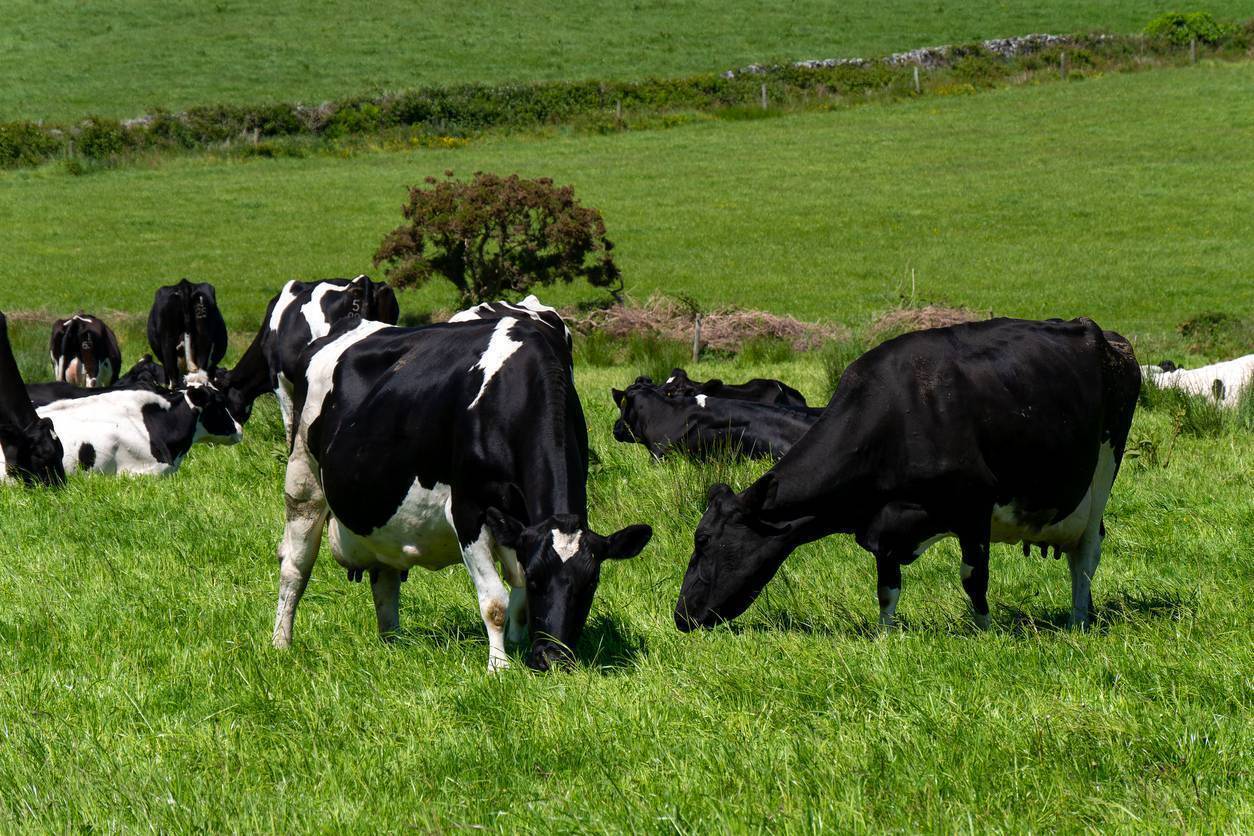
Autumn fertiliser plans, reseeding, third-cut silage, scanning, monitoring heifer performance and winter feed budgeting must now be focused on.
Grass growth has improved of late and many herds are finally seeing a little surplus on the grazing platform. Unfortunately, the cows have not been able to respond to having access to extra grass.
Herds have not had an abundance of grass since the late turnout and realistically cows have had very poor practice in eating big volumes of grass, resulting in a drop-off in milk in many herds when buffer feed in or parlour feeding has been reduced lately. The cows simply have not been able to consume enough grass dry matter to make up the difference when complementary feeding has been reduced.
As we push into August and the evenings begin to close in, there are many things that need to be focused on for dairy producers. Depending on your system, you will be looking at autumn fertiliser plans, reseeding, third cut silage, scanning, monitoring heifer performance, winter feed budgeting, harvesting of crops, autumn calving and many more tasks.
Keeping spring cows milking into the autumn must be high on the agenda as they still have a long way to go before drying off. Autumn grass every year can be a mystery and this year will be no exception — it is soft and has much less power in it than you think, plus as it gets soft and low in fibre and dry matter, cows cannot consume enough to maintain performance.
For the whole of the 2024 grazing season, it has been feeding very poorly as can be seen in many herds around the country where yields are back, lactose is low and urea’s have constantly been low.
I have been doing a good bit of investigating over the last number of months regarding why grass has not grown well and has been feeding poorly. It is just too easy to say the weather has been bad and we have had no sunshine.
Part of my investigation has included a significant amount of SAP analysis of grass leaf samples. As many of you will know, tillage producers will apply a significant amount of trace elements in foliar-applied sprays to their crops.
It would be fair to assume the same deficiencies would be an issue over the ditch in grass swards. Every sample of grass I have tested has shown significant deficiencies in magnesium, manganese, copper and calcium.
However, it doesn’t stop there, with many grass swards also showing low P&K levels. The restrictions on the purchase of P on many farms have not helped. On the back of these tests, some farms have done some test plots with applications of magnesium and manganese to swards seven to 10 days post-grazing or cutting and the results have been very good, with improved growth, improved grass colour and better graze-outs.
More work needs to be done around trace element status in grass and its influence on grass growth and quality. It is well known that low magnesium and manganese have a big influence on a plant's ability to utilise nitrogen and sulphur.
I have not even mentioned the countrywide frustration with protected urea either!
Any dramatic drops in milk yield, protein, butter fat, lactose and urea are indications your herd is not receiving and/or digesting sufficient nutrients to maintain performance. Another factor of note beyond the low dry matter is the lack of fibre in grass currently, resulting in it passing through too quickly and undigested.
Obviously, the milk solid percentages in your herd will be influenced by milk yields and as such we really must convert figures to kilos of milk solids before we begin to make comparisons.
A higher volume herd may have slightly lower solids percentage-wise, however, everyone supplying the same buyer receives the same money per kilo of milk solids. A drop-off in lactose is a good indication cows are not utilising sufficient energy, and this should be addressed quickly to avoid subsequent milk volume and protein percentage from dropping.
Assess dry matter intakes. Measuring milk production, and knowing how much cows are consuming in dry matter terms will ensure action can be taken, where needed, to adjust the diet.
Keep an eye on milk protein as it is a good barometer of the cow’s energy balance and subsequent fertility. If protein is dropping, then cows are not consuming enough energy.
Low urea means they are not digesting or getting enough protein. This depresses intakes significantly.
Reading cow manure is useful in assessing diet performance. Both very loose and very firm dungs can indicate poor rumen function.
High intakes of grass must be balanced correctly for protein and fibre to promote good gut fill and provide the necessary structure and nutrients to maintain good rumen health and performance.
- Brian Reidy is an independent ruminant nutritionist at Premier Farm Nutrition