Maximising summer feed utilisation and winter feed preparation
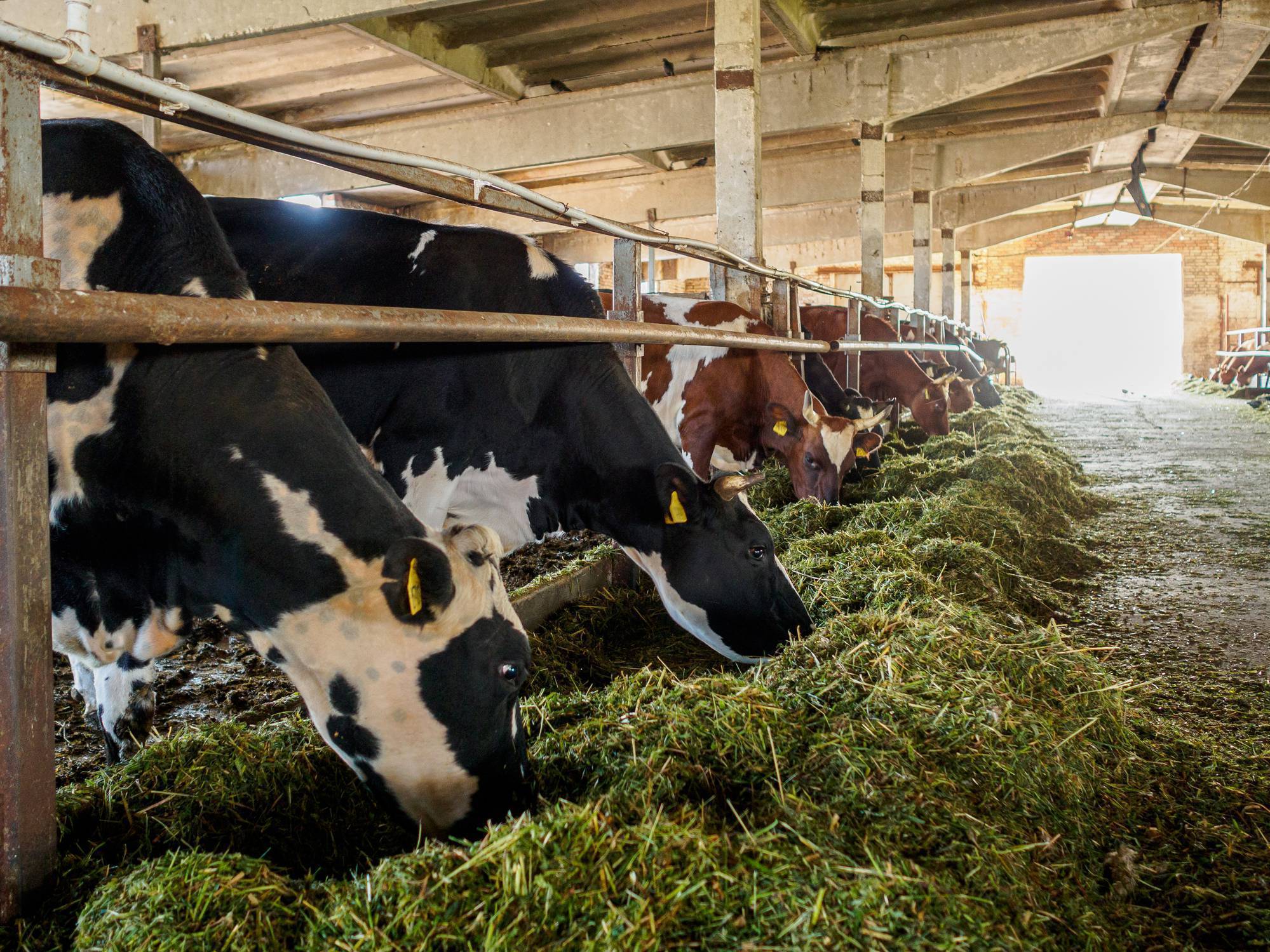
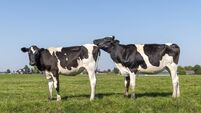
Cows eat grass in the barn. A farm where cattle are bred. Cattle fattening for the production of milk and meat. Agricultural industry.
2024 is a year that has already brought a number of challenges with it. Met Éireann reports that this spring was the sixth-wettest on record. This hindered spring grazing on many farms nationwide and prolonged winter feeding regimens.
A consequence of the prolonged winter is that many farms are now short of their winter-feeding reserves (and, in some cases, their summer feeding reserves), despite the first-cut silage harvest being completed. Many farmers will now ask, “How will I ensure that I have enough fodder in my yard for the upcoming winter?”
The vast majority of animal feed production on Irish farms is grass-based. Typically, grazed grass (9.4 c/kg dry matter (DM)) and silage production (first- and second-cut pit silage: 21.3c/kg DM) costs on pasture-based farms will comprise the majority of total variable costs, and these have increased considerably in recent times. Therefore, it is imperative that this feed source is fully utilised.
Strategies to improve summer grass utilisation and winter feed preparation include:
- Appropriate grassland management;
- Getting the silage-making process correct;
- Fodder budgeting Grassland management.
The ability to manage grass will usually form the cornerstone of any grazing system. Although managing this valuable resource may sound like a simple task, it is often not considered enough.
A grazing farm should set out the targets below:
- Extend the grazing season from early spring into late autumn, where possible;
- Match your farm stocking rate with pasture growth potential;
- Ensure that good grazing infrastructure is in place;
- Use an appropriate grassland management decision support software, like Pasture Base Ireland.
Table 1 sets out grassland management targets for a milk production system over a typical grazing season.
In an ideal scenario, June-August represents a time when Irish farmers can operate in cruise control, maintaining a low cover per cow in line with normal growth rates. Rotation length should be maintained at 18–21 days, but this will depend on the growth rate.
In a milk production system where cows graze, if the days ahead of your herd exceed 15 and growth rates are high, surpluses should be removed almost immediately to bring this grazing land area back into the grazing rotation.
Using a mixture of early-, mid- and late-heading grass cultivars in seed mixes will provide a more even spread of high-quality feed available to livestock over the grazing season.
Recent University College Dublin research has highlighted the importance of multispecies swards in grazing systems. Aside from the ability of these swards to produce herbage under restricted artificial nitrogen fertiliser scenarios, these species-diverse swards are more drought-tolerant and are more capable of sustaining high growth rates in drought periods compared with perennial ryegrass-dominant grazing swards.
Zero-grazing is also an option to make best use of grass grown on land blocks that are inaccessible to the herd. However, grass should only be zero-grazed from swards that were previously topped or mechanically worked to maximise palatability and, thus, utilisation. Zero-grazed grass should have similar pre-grazing yields to those of grazing swards (1,200–1,500 kg DM/ha).
Cutting your losses, grazing to 5-6cm, and topping are advised here so that grass quality is not impacted in the following grazing rotation.
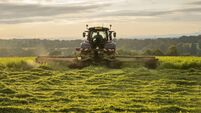
The silage-making process Some farmers will be thinking about harvesting second-cut silage at this stage. Silage-making is an important process, and the results of this will determine:
- How well homegrown feed will be utilised in terms of winter animal performance (Table 2);
- How much imported concentrates will be required.