Getting ready for autumn calving dairy and suckler herds
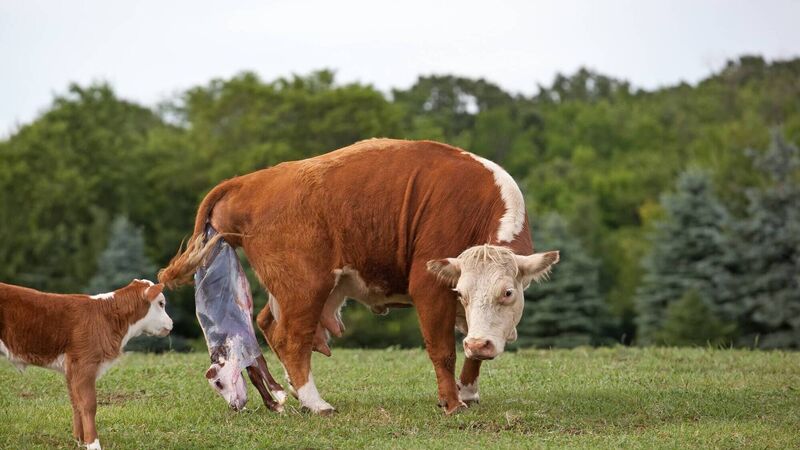
A cow in the dry period is like an athlete in pre-season, and you must prepare the system for the season ahead, writes ruminant nutritionist Brian Reidy.
Getting ready for autumn calving dairy and suckler herds

A cow in the dry period is like an athlete in pre-season, and you must prepare the system for the season ahead, writes ruminant nutritionist Brian Reidy.

As we head for the end of July and into August, autumn-calving beef and dairy herds are gearing up for having calves on the ground soon. 

Obviously, both systems will have slightly different management around this time, but the principles of both are still broadly similar. We need a healthy calf following an uneventful birth, a healthy cow that avoids metabolic issues and, above all, produces the required milk post-calving while going in calf again easily.


Dry cows in the dairy herd

Most will aim to calve cows outdoors where possible, and that is ok as long as metabolic diseases can be avoided. Many dairy herds have unfortunately learned over the years that calving them outside has resulted in problems due to cows being over-conditioned and/or consuming too much high-potassium grass.

All of this can result in Milk Fever and retained cleanings at a far higher than acceptable level. If this is the case on-farm, then you must take control of the situation and manage intakes pre-calving. Remember that a cow in the dry period is like an athlete in pre-season, and you must prepare the system for the season ahead.

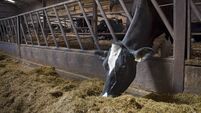
Offering dry cows a balanced diet of minerals, fibre, and an appropriate level of protein to manage the conditions and promote rumen bug populations pre-calving will allow the cow to hit the ground running post-calving. If this can be done while the group remain outdoors, then great, but for many it involves simply having to house cows for the last few weeks before calving to avoid unnecessary issues.

Dry sucklers cows

In Autumn herds, almost all sucklers will calve while outdoors. They tend not to have as many metabolic issues as their Dairy counterparts, but nonetheless, they do occur, so keep an eye that cows are not over-conditioned, are eating plenty of rougher forages and that you provide them with an appropriate source of minerals, based on what has worked well in recent years.

Keeping cows on a relatively low plain of nutrition may involve dry cows running behind young stock, cows with calves or finishers. This means that the productive animals can get the best of the grass and the dry cows can tidy up behind.

Also, keep a close eye on dry cows for mastitis as there have been a lot of reported incidences in the last few weeks. There are plenty of flies about which can be an issue.

Excessive tail swishing in dairy or suckler cows, whether dry or not, should be addressed regularly with fly treatment as soon as possible at this time of year.

Calving ready

Make sure you have everything ready for action indoors just in case you need to assist any births. Disinfect calving boxes before the season gets going. Check that the water troughs in the calving boxes are working. See that the calving Jack is working and that the two ropes are fit for the season. 

Ensure that your calving camera is working correctly. Make sure that if you have a calving gate that it is fully functioning. Remember that cows can get very aggressive around calving so properly working equipment is essential. Also, remember that if you are in doubt about a calving, call your vet sooner rather than later.

I have collars on my own suckler cows that, along with breeding, health and fertility alerts, also give calving alerts. These pinpoint cows require assistance, meaning I don’t end up intervening either too early or too late.

x

More in this section

Farming

Newsletter

Keep up-to-date with all the latest developments in Farming with our weekly newsletter.

Cookie Policy Privacy Policy Brand Safety FAQ Help Contact Us Terms and Conditions

© Examiner Echo Group Limited