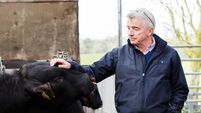
Grass supplies remain tight and quality is poor as farmers wait for heat
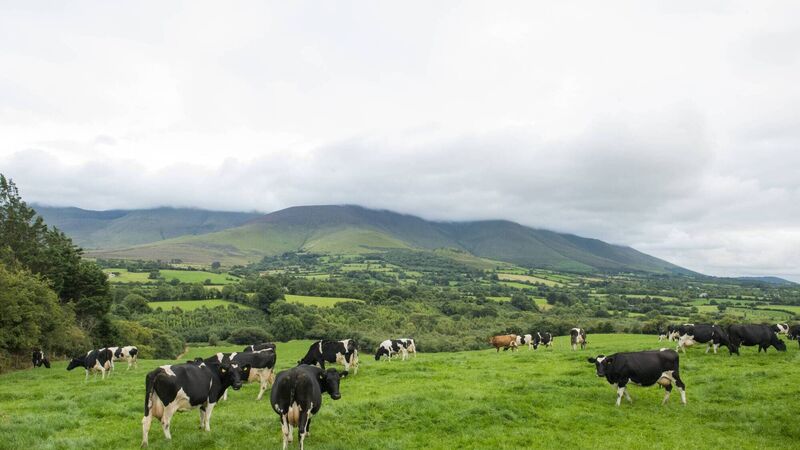
Weather continues to be a major factor in livestock management. Picture: iStock
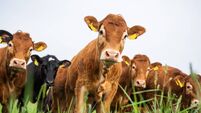
The weather continues to be a major factor in livestock management. Despite the fact we are at the end of May, for some, grazing conditions are very difficult. So much rain has fallen in areas that stock are actually cutting ground up a little.
Grass supplies remain tight around the country and growth rates remain stubbornly low. A lot of customers I have visited or spoken to in the last week have reported growth, just about meeting demand.

Unfortunately, we have had really poor growing conditions for the last number of months and many factors have contributed to the scarcity of grass and its poor offering feed-wise to cows and cattle.
Late application of nitrogen — followed by not enough being spread since, no slurry, excessive rain and no sunshine. Grass is an excellent feed when it is growing well and fed at the right growth stage, however, it has not fed well this year and animal performance has suffered as a result. You only have to look at milk deliveries for 2024 to know cows have not had access to sufficient energy.
As I write, the bank holiday weekend is forecast to have much more normal temperatures for the time of year and with that, hopefully growth will improve rapidly. Grazing paddocks may well provide surplus grass for silage quite quickly, even though right now, herds are chasing grass around the farm.
It is important to take every opportunity to conserve silage for next winter as reserves are low in most farms and very little surplus grazing has been baled yet as we head into June.
Don’t waste grass by grazing heavy covers if you happen to have any. Cows and cattle will walk a lot of heavy covers into the ground if it is not managed properly. Consider strip grazing it or pre mowing it.
For beef cattle, when strip grazing, install a back fence and plan how you will graze the field based on ease of water trough access and if you are feeding some concentrates where the feed trough can be located for ease of access.
For dairy cows, they will very quickly tell you if the feed you are allocating to them is sufficient or not by milk volume and quality. Don’t ignore these lead indicators.
Resist the temptation to leave stock with access to larger areas of land as they will have a preference for re-growth. This will depress growth hugely on this area of land, reducing overall grass supply.
When making grass allocation decisions it is essential you have a walk around your farm and assess grass availability and ground conditions. Establish the total grass available on the farm per hectare and per livestock unit and allocate based on availability and current/future predicted growth rates.
Obviously, heavier stocked farms may need to slow down the rotation and this may involve extra meal feeding or providing hay or silage in the paddock for beef animals or after milking for dairy cows if that is practical to do so.
As outlined above, for many, ground conditions are only ok and grass supplies remain low so it is necessary to feed some silage or meal to slow down the rotation until grass supplies improve. Figuring out what the best option is for each group of animals is the first decision to make once you know that grass will not provide all of their feed in the short term.
Spring calved suckler cows and their calves require about 15kg of dry matter from grass per day. Do the sums and supplement according to requirements. The introduction of early creep feeding to calves will also help to stretch grass supplies and can be eliminated gradually again once grass supply is sufficient.
Remember you are currently trying to get these cows back in calf and improving their energy status during this period will improve fertility status in the herd.
For autumn cows with calves, creeping these would be on the cards now anyway as they approach weaning. These calves getting meal will significantly reduce grass demand and allow you to graze heavier covers with this batch as we approach weaning and drying off the cows.
For weanlings or stores 1kg or 2kg of meal can significantly help to slow down grazing until growth improves.
Bulls that are destined for heavy meal or ad-lib feeding for slaughter this summer/autumn should now be introduced to meal even if grass is not in short supply. These bulls need to be about 400-450kg live weight before they are put indoors for their finishing period. Many have already brought these animals back in if they had been turned out. This decision is helping to increase available grass for silage or other stock.
Obviously, it is easier to increase supplementation in dairy herds through parlour feeding. Keep an eye on butter fat as an indicator of sufficient fibre being supplied to cows.
If fats drop off, then introducing fibre in the form of silage, straw or hay may be necessary to keep the rumen functioning efficiently. When supplementary feed needs to be increased, it will be more than likely that extra protein will be required to maintain intakes and performance.