Blackleg: The preventable killer you need to consider this spring

Unforunately Blackleg is often fatal, so prevention is key writes farm vet Hazell Mullins.
Blackleg: The preventable killer you need to consider this spring

Clostridia is an anaerobic bacteria, which means it can survive without the need for oxygen, which is why soil is a common location to find the bacteria.

Things are beginning to feel back to normal again on the farm; that feeling of anxiety opening the curtains each morning is beginning to ease. 

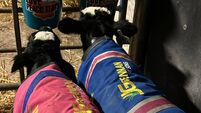
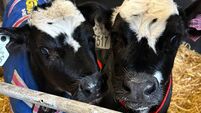
We finally had some headspace to do some calf vaccinating this week. We are a little later than we would have liked, but this spring ripped up the rulebook in so many ways.


Clostridial vaccination is so important for all young stock over eight weeks old as their maternally derived antibodies from colostrum will have waned, leaving animals naïve to this deadly bacteria.

Clostridia is an anaerobic bacteria, which means it can survive without the need for oxygen, which is why soil is a common location to find the bacteria. 

There are many species of clostridial, and the vaccine that we most commonly use covers eight or ten of the subspecies. One of the most common clostridial diseases in Ireland is Blackleg, caused by Clostridial Chauveoi that lives in soil and infects muscles via a wound and causes fatal toxic shock. 

Vaccinating for Blackleg

The vaccine is a two-shot dose, four weeks apart, and the full course must be given. It is a dead or killed vaccine, and with these types of vaccines, they always need a booster dose to reach their full immune protection potential. 

The first dose primes the immune system; it is like a bell curve - the first dose will reach the bell's peak with antibodies and then fall rapidly. It is the second dose that extends the bell curve to last for the year.

With any vaccine, it is important to store it correctly in a working fridge and always use it within the short window of a few hours once opened. My husband is sick of finding cattle vaccines in the door of our new fridge, but he will have to get used to my ways and the importance of working vaccines. 

I have seen it all over the years: the vaccine left in the hot May sun for hours, Sellotape covering a month-old opened bottle, and sell-by dates older than me (and that’s old).

Correct administration under the skin, two shots, four to six weeks apart could save a valuable animal's life very easily. The extra time is well worth the effort. I would also never give this vaccine with any other as there are a lot of strains in the one shot, adding another vaccine could overwhelm the immune system.

The difference between the 10-in-one and the eight-in-one vaccines is the addition of an extra two protective strains of clostridial disease in the 10-in-one.

Clostridium Sordellii, which causes Malignant oedema like Blackleg, causes toxic shock via entry through a wound, and Clostridium Perfringens type A, which causes a fatal, haemorrhagic diarrhoea in calves.

Talk to your vet about the clostridial risks on your farm and which vaccine would be preferable.

Unfortunately, our farm has a chequered history of Blackleg over the years. It is one of the most common causes of sudden death in cattle, with little or no warning you can find an otherwise perfectly healthy animal dead in the field. 

We lost two 18-month-old bullocks in one week about three years ago due to a simple Blackleg infection. Bullocks are more predisposed to the disease as they like to rub against mounds of earth with their heads. 

I know that we are not the only farm that needs to do this yearly booster in older cattle, always seek veterinary advice for this booster protocol. 

Due to our history on the farm, we not only vaccinate the young calves for clostridial disease but also all the weanlings. My dad recalls that the field where the bullocks died has a history of mysterious sudden deaths in bullocks which leads us to believe that this field must be a reservoir for infection.

Another risk for blackleg entry into muscle is injection sites; they can predispose the muscle underneath to allow entry of spores. Good needle hygiene and proper restraint of the animal are key when injecting. 

When I castrate bulls, I always make it my priority to ask, "Are they all fully vaccinated?" as the burdizzo can cause micro-abrasions on the skin, allowing entry of the spores. I have heard of a farm losing numerous freshly castrated bulls to clostridial disease during my time in practice, I have been so cautious ever since.

Higher risk

Due to the wet weather of late, which we all know far too well at this stage in the year, a lot of soil has moved into fields, which can be an added risk for clostridial disease this year.

Any field that has had any sort of excavation work of late is also a risk area and should be fenced off from cattle. General fence management can prevent areas of destruction that, particularly male animals, are prone to making.

Unfortunately, with Blackleg, alongside most clostridial diseases, there is no cure, and it is usually rapidly fatal. The textbooks describe how if the animal is found during the very early stages, which may appear as an animal with a still walk, with high doses of penicillin and supportive therapy, it may be possible to save the animal.

The blackened and necrotic muscle of the infected area on post-mortem is the classic sign of Blackleg. It is important not to release the spores back onto the soil on the farm, hence why a post-mortem in a controlled environment like your local RVL is essential. 

It is always advisable to ring your vet with any sudden death to discuss causes and if there is any risk to human health.

I will be back in Mitchelstown after my little break for spring calving. I cannot wait to catch up with the team, meet the farmers, and be reunited with my beloved Galtee Mountains.

  • Hazell Mullins BVM BVS, is a large animal vet based in Carrignavar, Co Cork.
x

More in this section

Farming

Newsletter

Keep up-to-date with all the latest developments in Farming with our weekly newsletter.

Cookie Policy Privacy Policy Brand Safety FAQ Help Contact Us Terms and Conditions

© Examiner Echo Group Limited