Slow progress on EU's pledge to plant three billion trees by end of the decade
In 2015, only about 20% of licences took over 100 days to process; by 2019, that had increased to nearly 50%.
Who could believe that Ireland would become a poster boy for afforestation?
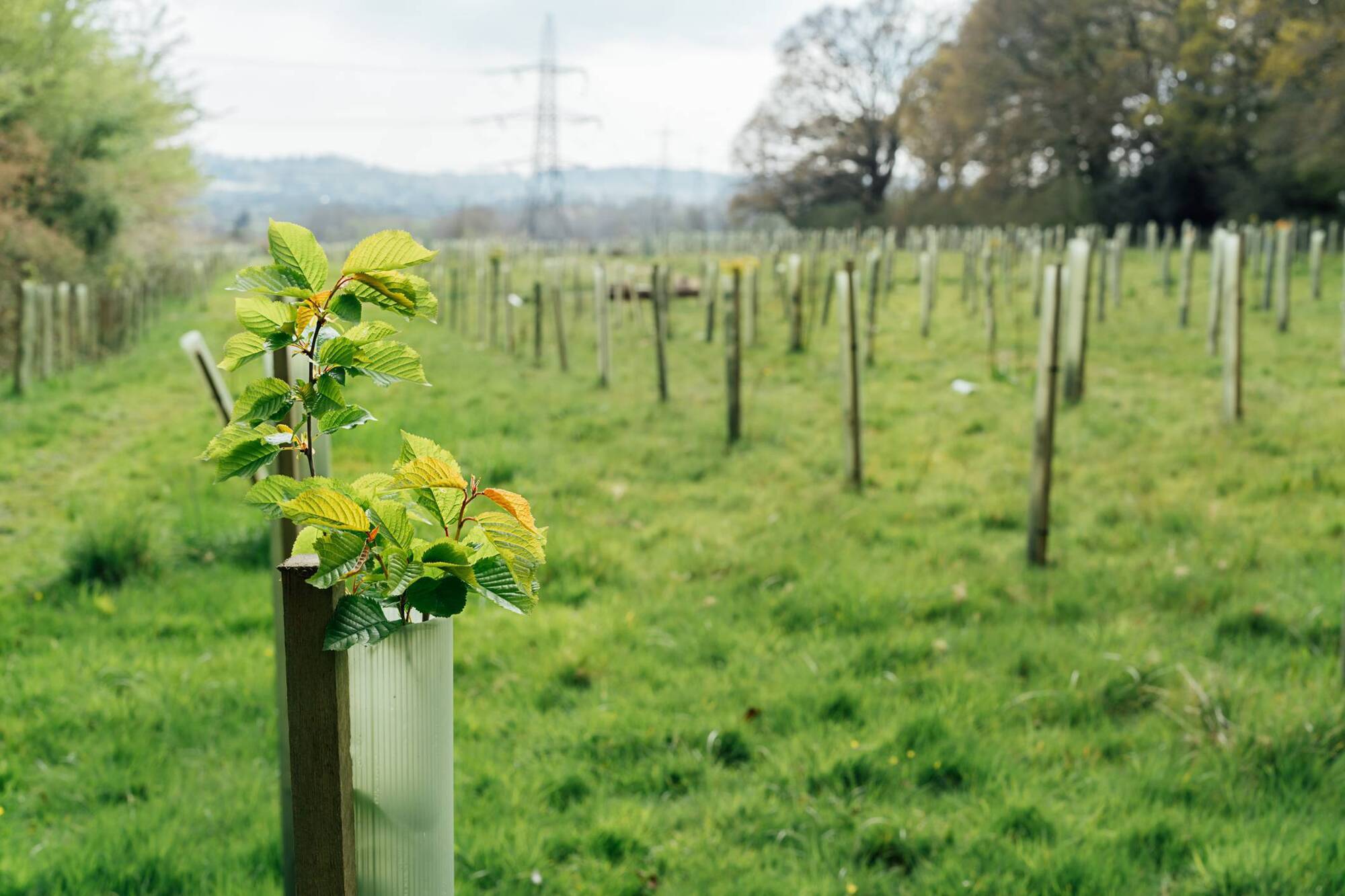
There has been a major decline in Irish afforestation in recent years. In 2020, 2,434ha of land were afforested, followed by 2,061ha and 2,273ha in 2021 and 2022, respectively. In 2023, the EU Commission took so long to approve Ireland's new Forestry Programme that afforestation fell to only 1,651ha.
The figures are disappointing compared to the national ambition of 8,000ha of afforestation per year.
And landowners remain discouraged, after it became much harder from 2018 onwards to get the licenses which are required before any planting, harvesting, thinning, or forest road building takes place.
The ash dieback devastation of plantations has also undermined the confidence of landdowners thinking of forestry.
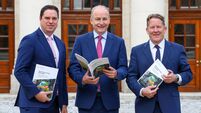
However, Minister of State for Land Use and Biodiversity, Senator Pippa Hackett, was able to hold her head high in Brussels recently, and say, “I am delighted ...that five million native trees have been planted under my Department’s afforestation schemes since May 2020".
Remarkably, that puts Ireland in joint first place with Belgium in the race to deliver the EU’s Three Billion Trees Pledge.
Ireland and Belgium may get the cheers, but the EU gets the boos, because it is nowhere near making good on its pledge to plant the trees by the end of the decade.
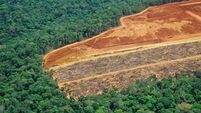
In fact, the pledge is perhaps the most unsuccessful feature of the European Green Deal bid to become a climate action global leader. The trees are needed to take up carbon and fight biodiversity loss, but delivery remains well below 1%, when it should be at nearly 40%.
To meet the target, the EU would have needed to plant an average of 300 million trees every year, starting in 2020.
But, like most "green" schemes, the conditions are very demanding. Only native tree species count, and the trees cannot be cut for at least 80 years.
For a tree to be counted toward the 3bn targets, it must be "additional", meaning it would not have been planted or grown otherwise, for example, to meet national legal requirements. The plantings must benefit biodiversity and the fight against climate change.
Trees cannot be planted in areas of high natural value, such as mires, bogs, fens, wetlands, peatlands, and grasslands.
"It must be the right trees, in the right place, for the right reason,” said Virginijus Sinkevičius, the EU’s environment commissioner. This rules out plantations of only one species, or any invasive species planting.
Tree pledgers must manage, monitor, care for, and nurture the trees.
There is no dedicated EU budget for the Pledge, but funds from EU schemes such as LIFE, and from agricultural and rural development funding, could be used (but there are hundreds of other calls on these funds).
With €1.3bn of funding earmarked for Ireland's new 2023-2027 forestry programme, Minister of State Hackett said she was confident Ireland will contribute millions more native trees towards the 3bn goal.
She confirmed that the initial pledge for Ireland is based on the number of native trees planted under the afforestation schemes since May 20, 2020, the Pledge start day.
With a substantial increase of 66% in premium rates for the establishment of native forest, with €1,103/ha available to plant native forests, and €1,142/ha for native forests with water, Ireland could be a front-runner as the 3bn trees pledge continues.
Shrubs, bushes, and anything biologically classified as a tree can be counted. Even the transformation of low productive forest or shrub forest into productive forests or high forest can meet the pledge requirements in some cases.
The pledge aims to double the forest expansion rate in the EU achieved over the 2005 to 2020 period. It includes urban tree planting.
Anyone who feels brave enough to tangle with the EU's bureaucratic jungles can register on the 3bn trees pledge website. You will have to sign a declaration of honour, committing to comply with the criteria (the Pledge is trust-based, farmers interested in trees will be relieved to hear there is no Commission verification system).
They have seen how tree planting is perceived as an easy solution to climate change, for its carbon sequestration potential, becoming a form of commercialised climate mitigation.
It has been jumped on by, for example, by the total oil and gas company which announced a $100m tree-planting investment in 2019. And various companies that sell carbon offset credits for their forest protection or forest planting face allegations that they exaggerated climate claims.
Nor was Donald Trump supporting the "Trillion Trees Act" during his US presidency reassuring for conservationist types, who insist that planting trees shouldn’t be a replacement for mitigation measures and reduction of greenhouse gas emissions.