Britain to apply charges to food imports from April 30
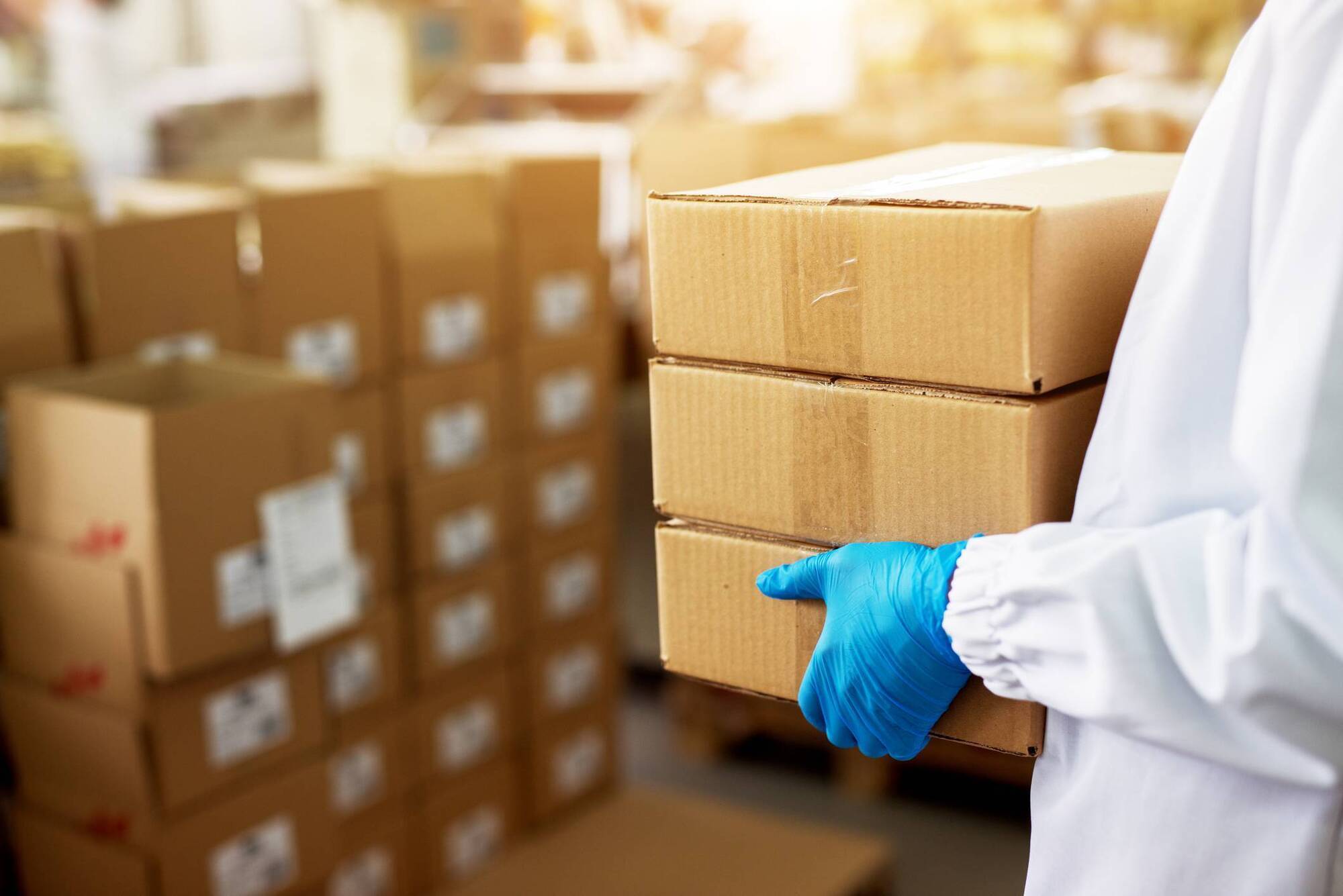
A shipper would have to pay up to £145 in the case of a mixed consignment with five different products in the ‘medium-risk’ category - for example, meat, poultry, egg, milk, and fish.
Charges of up to £145 per consignment of plant or animal products imported from the EU are the latest development in the UK's make-it-up-as-you-along Brexit arrangements.
The government's “common user charge” is being introduced to pay for the cost of veterinary and health inspections of animal and plant products.
It will be £29 for a consignment of a product classified as high-risk and medium-risk, and £10 for a low-risk product, and for goods in transit across the UK.
As yet another cost which must be absorbed by the exporter or importer of EU goods to the UK or by the consumer, it has triggered a backlash against the UK Government from trade organisations.
It will kick in from April 30, the due date for documentary checks and physical and identity checks to begin for medium-risk animal and plant products imported to the UK from the EU.
The Common User Charge applies to each consignment eligible for sanitary and phytosanitary checks which enters through the Port of Dover and Eurotunnel (whether or not they are in the expected 3% to undergo physical inspection at a Border Control Post inspection).
The fees announced will set a benchmark for other privately operated ports receiving imports from the EU. The UK government continues to work with Wales and Scotland on extending these arrangements to other government-run Border Control Posts (such as Pembroke and Swansea in Wales, where Irish goods arrive).
It will be easier for larger scale food companies to absorb the charges, but there is concern about smaller operators.
The charge is just the latest instalment in steadily ratcheted-up import arrangements, which have already led some food producers in the EU (including in Ireland) to turn away from the UK market.
For example, many artisan producers across the EU dealing with delicatessens in the UK have directed their produce elsewhere, because of increasing costs and uncertainty.
Due to increasing border controls, many of their shipments were delayed in transit, and had to be dumped by importers.
The biggest delicatesssens may respond by forming their own companies in the EU to ship all of its orders.
Farmhouse cheesemakers across the EU, including in Ireland, may be dissuaded from exporting to the UK. Those that deal in raw cheese (made from unpasteurised milk) are likely to incur the highest charges at UK border control posts, on top of already introduced costly health certification by vets.
Consignments selected for inspection may incur extra fees from the UK's Animal and Plant Health Agency, and local and port health authorities.
Other costly requirements include export health certificates for medium and high-risk goods such as meat and dairy, in place since January.
An additional layer of import documentation will be required from next October.
Importers in the UK are bracing themselves for the impact on their business.
The Fresh Produce Consortium said the charges would “cripple” those in the fresh produce and flower industry, who import most of their goods from the EU. The FPC estimated the common user charge alone would add £200m in fresh produce supply chain costs.
William Bain, head of trade policy at the British Chambers of Commerce, warned the charges would be a “hammer blow” for smaller importers.
The UK's Cold Chain Federation of importers of perishable products warned this latest Brexit cost would increase food prices in the UK.
Andrew Opie, director of food at the British Retail Consortium, which speaks for some supermarkets, said it was “particularly disappointing” that the government delayed the announcement to 28 days before the charges are introduced. It was announced last week, during the parliament's Easter recess.
Marco Forgione, director general of the Institute of Export & International Trade warned that the charges would hit small and medium-sized businesses hardest.
Prior to Brexit (January 31, 2020), trade between the EU and the UK was free-flowing and frictionless.
The introduction in the UK of post-Brexit border checks has been delayed five times over the past four years, partly over fears they could fuel the UK's food price inflation, which topped 19% in March 2023, the highest rate in 45 years. It has eased to 5% in 2024.
The UK government said the new user charges will add less than 0.2% to import costs, and they are needed to fund border facilities and safeguard the UK's food supply, farmers, and the environment from, for example, a major outbreak of a plant or animal disease.
Following consultation with the UK food industry, the government said the user charge is at the bottom end of the consultation range. The British Ports Association said the charges are lower than they anticipated, which will make it hard for ports to recover their border control costs.