Veterinary Advice: Farmers must reach out for help in this time of hardship
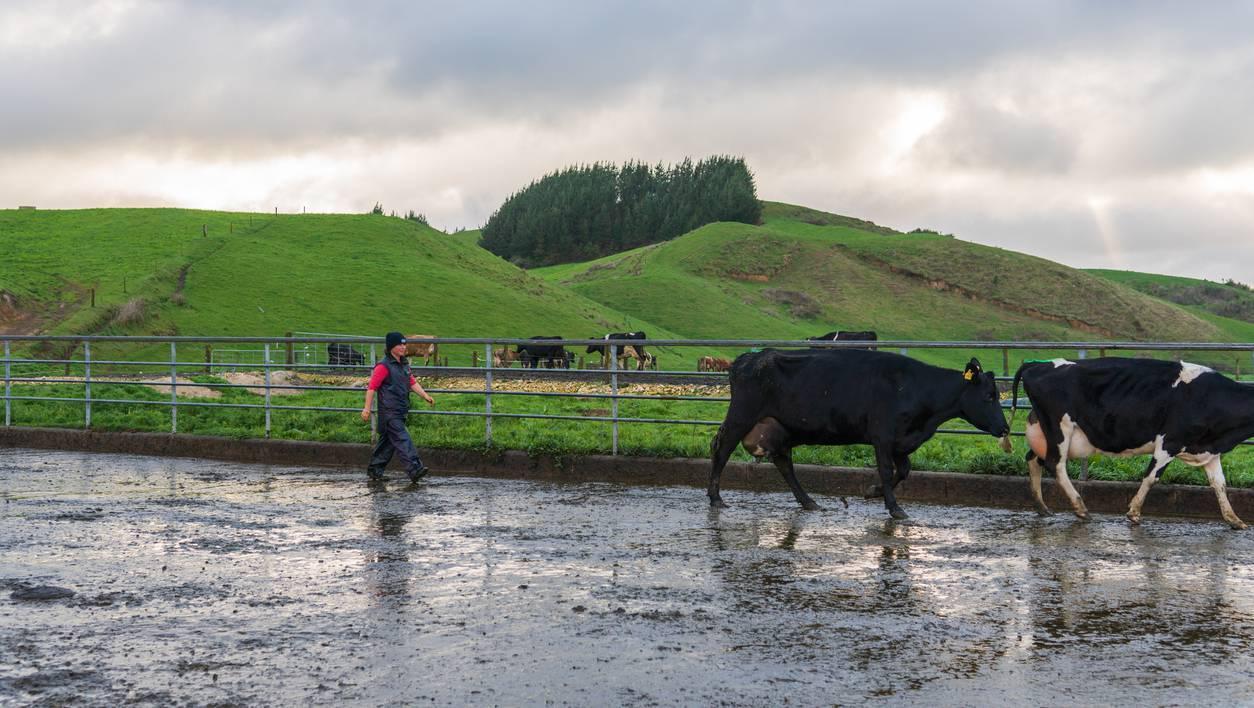
'It is now April, I for one certainly didn’t think I would still be liming twice a day, it is however a necessity.'

Last week I spoke with Claire Byrne on RTÉ about the hardship of farming in this unsettled weather. My main objective was to highlight the pressures of keeping the animals healthy whilst indoors at the moment. I also spoke about the mental pressures that farmers are under at the moment and how important it is for farmers to reach out for help.
Farm vets are usually on the farm when things are not going well and we meet farmers on their worst days, and many times we are that person that the farmer opens up to. For this reason, I have signed up for “On Feirm ground” on April 17 in Carlow. It is a new programme open to all agricultural professionals including all farm vets and vet nurses. It is a joint initiative between the DAFM and the HSE to equip us with the skill and knowledge to engage with farmers on health and well-being matters on the farm. More information is available on Engagetraining.ie for anyone who may be interested.
I focused on aspects of the farm that we can control because the weather is certainly following no rules. The main animal health topic I covered on the radio was “Mastitis during housing".
The herd is currently a mix of cows reaching peak lactation and also some fresh cows which bring their own increased risk. The hygiene management remains the same and unfortunately involves our old friend cubical lime and our trusty scraper. It is now April, I for one certainly didn’t think I would still be liming twice a day, it is however a necessity. Cows that are freshly calved are susceptible to picking up infection due to impaired immune systems at the time of calving and also the added risk of subclinical milk fever can lead to mastitis cases.
Milk leaking on cubicles is a common occurrence with the ladies nearing peak lactation. A strict milking routine can help with this, keeping the timings consistent each day. Once a week I use a disinfectant lime such as Anti-scan, which give the beds a deeper clean, this will help with pathogen build up. Adding a pre-dip to the milking routine can help at this difficult time with excess dirt on the cow’s teats on entry to the parlour. Counting to four should ensure that enough post dip spray is being applied which should equate to about 15ml per cow per milking. Changing to a teat barrier post-dip can prolong its action whilst in the cubicles.
Dad’s Christmas present, his new cordless tail clippers from Clippers Ireland was out in force this week with a morning of pampering for the girls. Perhaps not quite the same experience that I get in my local hair salon “3degrees” but the ladies looked very smart after their trim. It is one of the easiest methods of aiding to keep the udders clean during this housing period, a beauty session should be on the cards for all the cows at this time.
We had our first milk recording last week, we still have five cows to calf but we wanted to record as many in the first 60 days of calving as possible. It is vital to get the timing of this first milk recording correct as it can give very valuable information on how successful the previous dry period was in regard to the new infection and cure rates. Cure rates should have a target of 85%, this is a good indication that the tube selection on infected cows is appropriate. New infection rates >10% in cows and >15% in heifers can be a sign that the dry period did not go to plan, a detailed discussion with your vet may be necessary. Animal Health Ireland’s “Cell Check Dry cow consult” could be an option to think about signing up with your vet to prevent issues from reoccurring in 2025.
We had two cases of mild mastitis in the past ten days on the farm, the accumulative result of farmer fatigue, poor weather and pathogen load. Recording cases of mastitis is key for the management of cows at dry-off. A cow may have no high SCC count recorded in the year but did have a clinical case during the year. This would not make them a suitable candidate for selective dry cow therapy at the end of the year. With mastitis cases it is important to take samples prior to treatment, either to run straight away for culture and sensitivity or in the case of an outbreak to have them in the freezer to quickly get answers. Cell counts may be higher than normal due to the weather and housing, a target of less than 3% for clinical cases for the year is the aim.
There is also a “Cell-check lactation” consult available from animal health Ireland that may be useful for a detailed discussion about a cell count/mastitis issue on farm.
At the moment, things are not where we would like when it comes our cell count and cows with cases of mastitis. It is frustrating however I know that we will get on top of matters and things will settle down again. Last week I read a fantastic quote on my friend “Katieinthecounty” on Instagram, that resonated with me: “Resilience is born through adapting to change”. As farmers and vets, we have an abundance of resilience that gets us through each day. However, some days life’s curve balls can make the situation seem hopeless. It is in these circumstances that talking to others is key and finding that resilience again to carry on.
I have an exciting week heading to my friend Lucy’s wedding in Essex in the UK. Hopefully, I won't mix the date up like I did with her Hen party. It will be a great way to catch up with my Highfield Veterinary colleagues and get a short break from the rain.