Expansion of Hare's Corner project
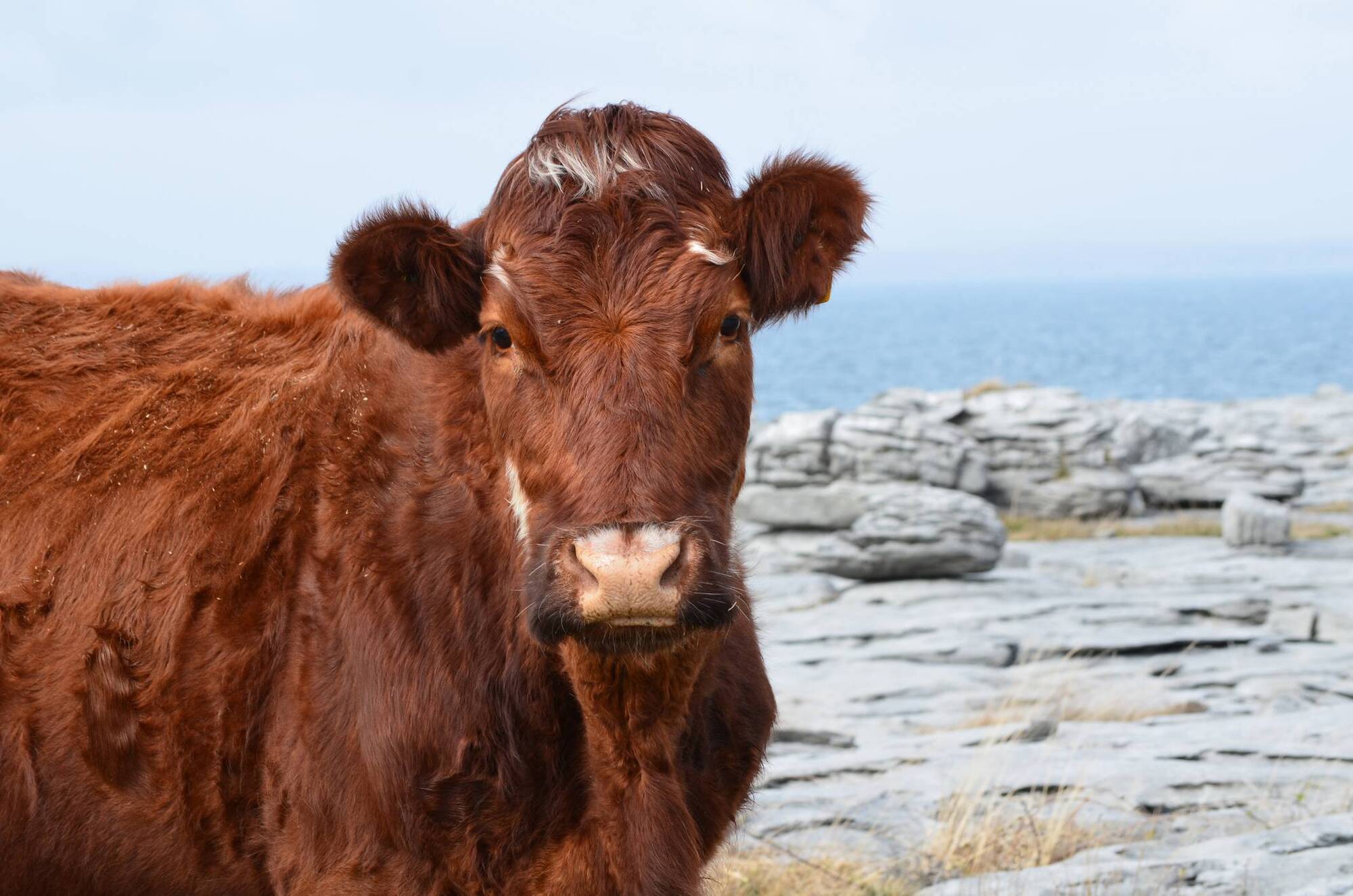
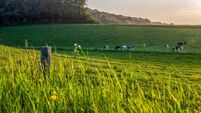
The Hare’s Corner is an old farming expression for an awkward section of a field which wasn’t intensively farmed and was ‘left to nature.”
The Hare’s Corner, an innovative biodiversity initiative in The Burren, is being rolled out this year to landowners in Galway, Mayo, Meath and Leitrim.
It follows the successful piloting of a similar non-profit project by Burrenbeo in Clare and Mayo that resulted in the creation of 125 ponds, 200 orchards, 175 native mini-woodlands and 97 plans for nature by landowners, farmers, and community groups across these counties.
It offers landowners ‘hassle-free’ support to carry out simple but impactful actions for biodiversity.
These can include the creation of a wildlife pond, a native mini-woodland, a heritage mini-orchard with apple trees or a bespoke site plan for nature or peatland.
The support is offered in the form of materials, professional services such as a visit by a hydrologist or ecologist, and guidance.
Burrenbeo Trust is partnering with the Wild Atlantic Nature LIFE IP in Mayo, Biodiversity officers in counties Galway, Leitrim, Meath and Galway City to offer 600 more Hare’s Corners across these counties.
The local authority biodiversity officer programme is delivered in partnership with the Heritage Council.
Hare’s Corner 2024 will be funded through a combination of public and private sector funding. An application portal was open from March 15 to 31 for landowners in the four counties.
Connie Corry, Ennis Mens Shed group in Clare, said it received guidance and encouragement from the Hare’s Corner team to create a wildlife pond.
“Our members really enjoy this pond, and now we are designated as one of just six ponds in the whole country as a demonstration site for ponds,” he said.
Clare landowner Maeve Ryan said receiving a ‘Plan for Nature’ visit from The Hare’s Corner was like getting an education on your own land.
“The ecologist identified eight areas on our land for us where we could make small and very manageable changes to enhance biodiversity.
“The tips were priceless – and came with a map of our site and I keep them handy on my phone at all times,” she said.
Meanwhile, the Irish Natura and Hill Farmers Association has called on Teagasc to include a module on upland farming as part of a new Green Cert to be rolled out this September.
Vice President Micheal McDonnell said: “The future of upland farming is vital to the survival of those rural communities, and we must ensure that those farming these lands are properly educated to carry out this vital task.”
As the focus on upland farming increases, he said it is important that future farmers are equipped with the knowledge and research that will help them make informed decisions that will benefit the agricultural output while also benefiting biodiversity.
Mr McDonnell said upland farmer education is crucial for promoting sustainable agriculture and protecting our way of life.
“As these are farmed landscapes, it is vital that farmers have the knowledge to identify the right type of animal, in the right place, to carry out the right task that benefits our sustainable farming system while also benefiting our biodiversity and ecosystem services,” he said.