Clarity sought on new driving licence laws
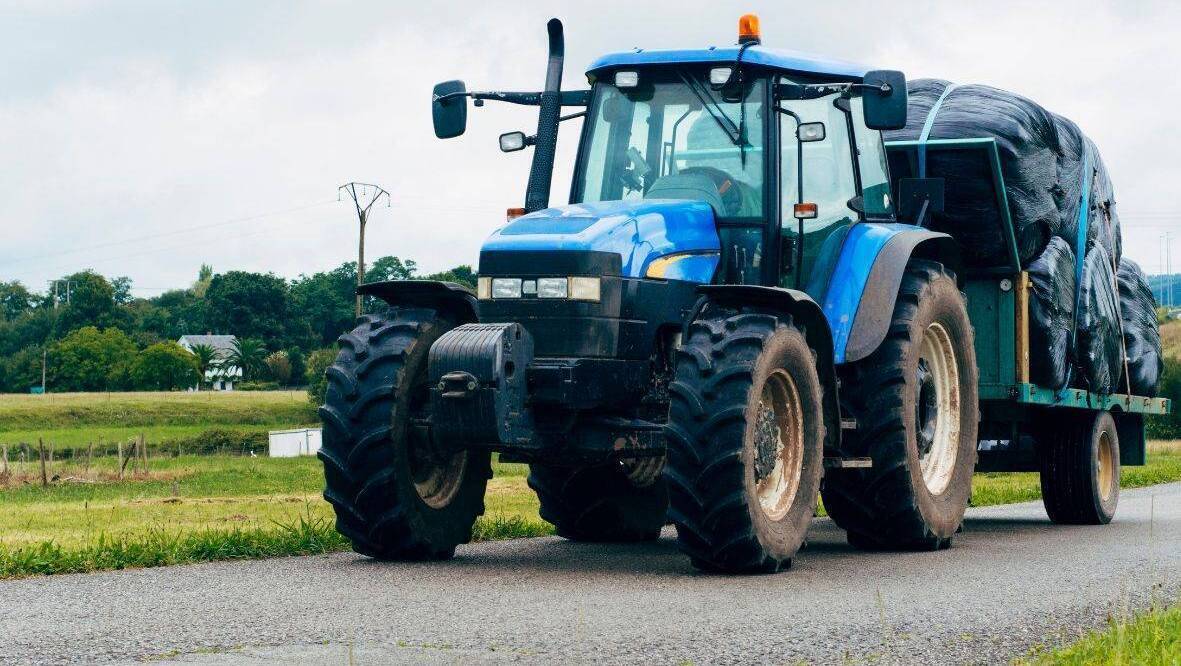
The tractors in use today are much larger and much more powerful and are often used to pull very heavy loads.
The licensing of 16-year-olds to drive powerful tractors for farming and other works probably needs to be examined from a safety perspective, the Dáil was told.
Deputy Martin Kenny, who raised the issue when seeking clarity on an upcoming European Union directive on driving licences, said the tractors many people grew up with include the 35 and the 165 models used on farms.
But the tractors in use today are much larger and much more powerful and are often used to pull very heavy loads. “There have been a lot of accidents involving some of these very heavy, powerful vehicles,” he said.
Deputy Kenny asked Transport Minister Eamon Ryan if he could provide an update on proposed changes to category W licences. He explained that these are licences for work vehicles, including tractors used in agriculture and forestry.
The licensing authority stated recently that these licences could no longer be used on building sites or other environments where they are widely used.
“This issue must be dealt with immediately. The Government has said it will be another six months before it is dealt with, but we need to get clarity in respect of it now.
“A premature change announced on the website caused a lot of difficulties for many people, particularly for employers whose employees use W category licences for the work they carry out.
“The driver licence directive, which we expect to come into operation in September, will mean that changes will have to be made. What I want to know is whether the Government has considered what those changes will be and what impact they will have,” he said.
Deputy Kenny added: “We must get our domestic regulations right and the Government must consider that in advance of the publication of the EU directive.”
Minister Ryan said the Road Safety Authority and the department have no plans to change the rules in relation to driver licensing for tractors. The current licence category, W, will continue to be the licence category that covers work vehicles and land tractors.
Agricultural vehicles are any power-driven vehicles running on wheels or tracks, having at least two axles, the principal function of which lies in their tractive power.
These are specially designed to pull, push, carry or operate certain tools, machines or trailers used in connection with agricultural or forestry operations. Their use for carrying persons or goods by road is only a secondary function.
Road traffic laws and the certificate of professional competence, or CPC, requirements apply only when vehicles are used on public roads, not on construction sites.
“My department and the RSA are aware that the EU’s proposed fourth driving licence directive, which may be adopted by the end of 2024, could provide a revised definition of tractors.
“Once the new driving licence directive has been published, my department and the RSA will consult with stakeholders in advance of the introduction of any required changes to relevant national legislation.
“However, until the new driving licence directive is approved and enacted, the existing approach to tractor licensing will continue to be applied. The RSA website has been updated to reflect this,” he said.
Minister Ryan said he agreed with the deputy's comments on safety, which should be the first consideration in all these issues. Part of the problem here was that the RSA made an adjustment to the text regarding W licences on its website last year which recently garnered attention.
“It was an attempt to clarify an interpretation around this licence category, but it may have caused unintentional confusion. The RSA has removed the amended wording from its website. That may have been the source of some of the confusion here.
“Hopefully a lot of this will be helped by the passing of the new licence directive by the EU, expected later this year. That will provide us with the best opportunity to realign or modernise the W licence category in whatever way we want,” he said.