Farm Finance: Fodder shortages are squeezing farm cashflow
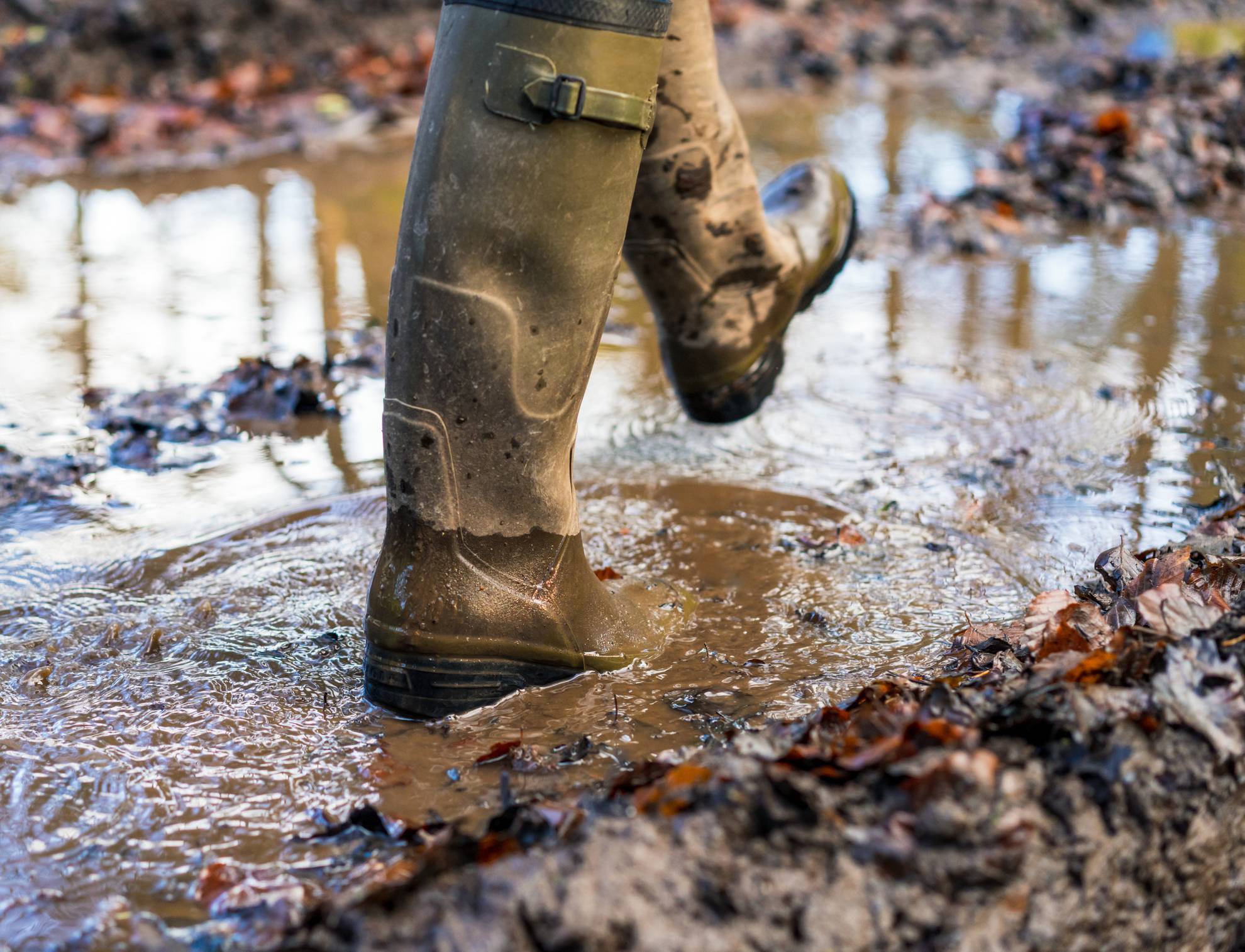
This past week’s weather saw farmers pulling animals back indoors full-time as grazing conditions deteriorated.
The extended wet and wintery weather has been at the forefront of farmers' concerns in the past few weeks. This past week’s weather saw farmers pulling animals back indoors full-time as grazing conditions deteriorated.
Many farmers' fodder reserves are running low, if not extinguished entirely at this point.
Based on a few calls, approximately a third of farmers are now out of fodder and are relying on buying in silage and beet in order to keep the show on the road. So far, there is still fodder to be purchased, and neighbours in the main seem to be helping each other out, getting over the hump.
As the weeks move on, though, it will be progressively harder to source fodder, and the quality, if not the choice of what’s available, is likely to diminish. On a positive note, though, every day we endure, we are getting to fine weather, and grass should take off once a bit of heat and sunshine arrive.
Cows can tolerate a depressed intake for only a few days before it impacts the remaining lactation milk yield, and every effort must be made to keep up cow nutrition at this critical time in the production cycle.
As I write this, a quick farm walk this morning pointed to total saturation of fields which were already grazed and where land was marked, water was pooling in the footprints, still, the decision was made to leave cows out this morning for the first time in five days with back and front fencing in operation to limit trafficking of cows over land which has already been grazed.
The areas already grazed are greening up nicely, and with an application of fertiliser, I expect good quality regrowths will come in a matter of weeks. Milk yield has dropped in the last number of days despite cows getting beet, maize silage and high-quality concentrates when housed full time, which clearly indicates to me that there simply is no substitute for grass.
The plan is to continue to graze cows on-off, and at all times, the gap will remain open so that they can return to the farm yard once finished grazing rather than loitering at gaps. The double benefit of improving cow nutrition and bringing on higher quality regrowths forces the current decision.
Fertiliser application on silage ground has also been delayed and is unlikely to take place in the next few days due to ground conditions; delaying fertiliser application any longer than this will mean either pushing out the cutting date or reducing overall fertiliser application to ensure it will be used up ahead of the expected cutting date in about six weeks time.
Presently, I’m happy to push out the cutting date to later in May rather than mid-May as pits are empty, and it will be critical to ensure enough silage is made for next winter due to low stocks country-wide being carried into next year.
I will liaise with my contractor and book in beet for next year so they can plan their acreage for planting. There is still about 40% of the maize silage pit remaining, which translates to a month's feeding, and I am happy to leave that as a reserve in case of a drought during the summer.
As a first point of contact, consider calling your local co-op or merchant sales rep, who usually has a good handle on what silage stocks may be in yards in your area. The local agri-contractor is another useful point of contact and may be able to point one in the direction of fodder. Some co-ops are bringing in special mix rations that can be fed at higher rates in order to reduce fodder demand.
If you are under financial pressure, many co-ops will offer extended credit terms once planned in advance and may even advance milk payments to farmers to help farmers looking to buy fodder. Many of the banks can turnaround credit applications quite quickly with pre-approval procedures in place with some banks where the credit amounts are relatively tidy.
- Kieran Coughlan is a young trained active farmer, fellow member of the Association of Certified Chartered Accountant and Chartered Tax Advisor.