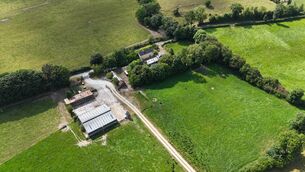
Sucklers and beef herds longing for turn-out
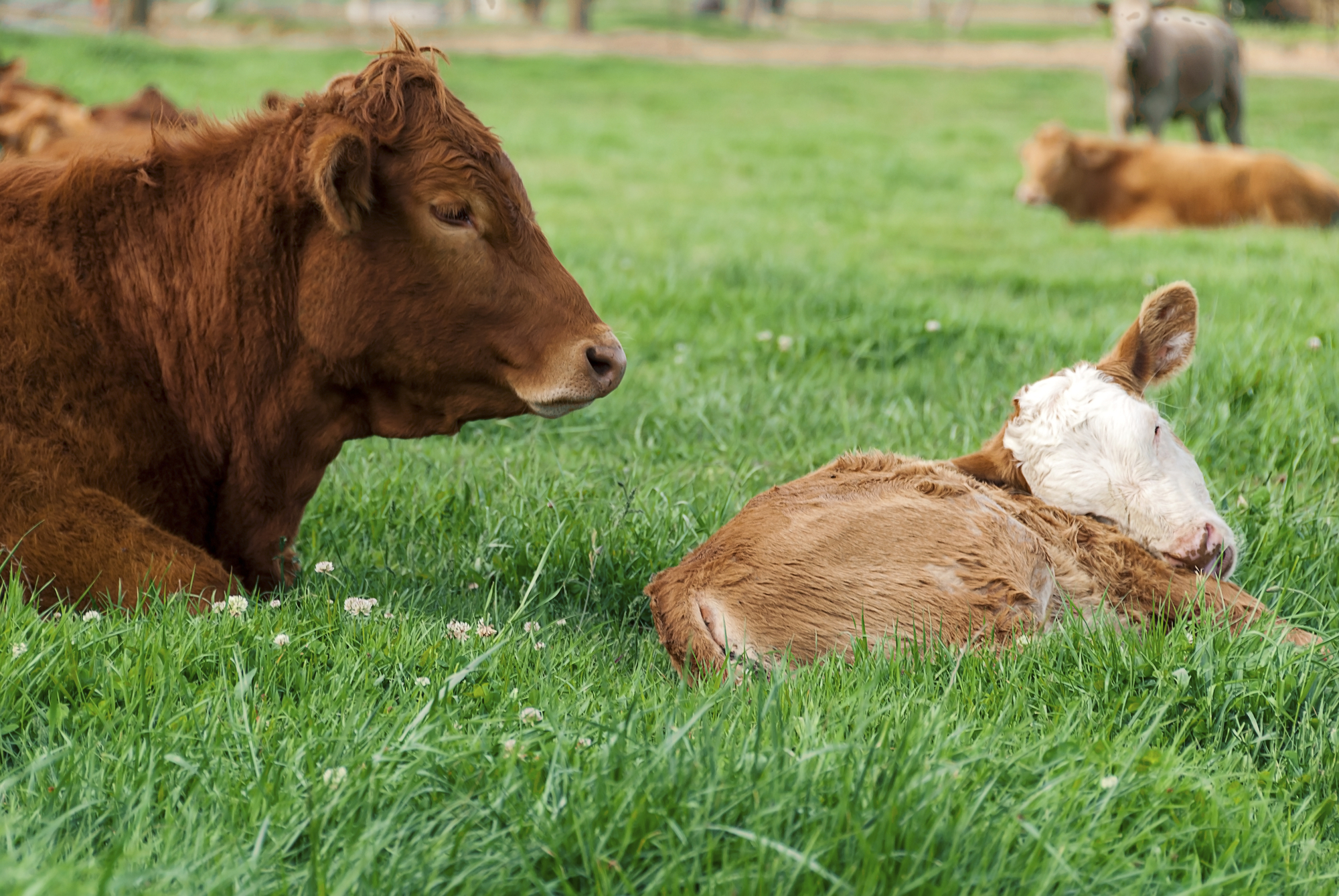
It is a critical time in spring suckler herds as increasing grass intake quickly for both cow and calf will improve performance.

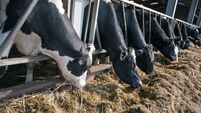
It may only be mid-March and many beef herds would only traditionally have turned out around now, however, it is hard to blame farmers and cattle for looking out over the gate at this stage longing for grazing to get going.
What is most frustrating is that the winter housing period is now being extended at both ends by the weather. Many have stock in since early to mid-October. It will take time yet before beef herds head outside in numbers as ground needs to dry out a good bit before permanent grazing can kick off.
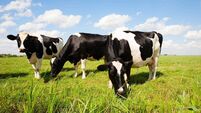
One big difference between dairy and beef herds is that beef herds wont typically graze just by day and re-house at night, once they are out they are out! Fresh calved suckler cows will be turned out to grass in the coming weeks, weather permitting.
There is plenty of grass on most farms and it is just a matter of when the conditions will allow cattle to be turned out. It is a critical time in spring suckler herds as increasing grass intake quickly for both cow and calf will improve performance.
At turn-out, the most important thing to monitor is grass intake and Rumen fill. Poor intakes of grass should be supplemented with forages or concentrates. Now that you have calved the cow your attention must now shift to getting her back in calf again.
In autumn calving suckler herds, getting cows and calves out will reduce production cost and at this point creep areas are requiring a significant amount of extra bedding, which is scarce and expensive at this point.
The cows will all be back in calf by now and you really should consider scanning to see which cows are empty. Plans should then be made for these cows to either be culled or interventions made to get them back in calf as soon as possible.
Most suckler cows will lose some body condition after calving and this is normal, but it needs to be controlled in order to produce enough quality milk for the calf while also helping her to return to cycling quickly.
Grass quality and supply will determine if you need to supplement cows with additional forage or concentrates. If you need to supplement suckler cows on grass then it may be easier to keep them in until there is sufficient grass available before turning them out.
It is a lot of work and could cause damage in paddocks to attempt supplementing sucklers outdoors, particularly with current ground conditions.
Suckler cows going down with Tetany is very common every spring. Grass is deficient in magnesium and it is worth noting that cows are generally deficient in magnesium well before they go down with Tetany.
A magnesium deficiency may result in poor saliva production and subsequently in poorer digestion of feed and lower production levels. Magnesium is a major macro-mineral essential for performance in cattle.
There are many ways to supply sufficient magnesium to cows. Some more effective than others.
This is probably the most common method of magnesium feeding to suckler cows and works very well once buckets are always accessible. Some will use a High Mag feed block to supplement grass and prevent Tetany.
A popular method. In wet weather, where cows drink less from troughs it may not be as affective.
Some may feed a dairy meal to sucklers during times of Tetany risk particularly if grass is in short supply or if some ground is too wet and can’t be grazed
May work very well for some but I am not convinced that it is the most effective method out there.
Be sure that you are using the most effective supplementation for your herd before you depend on any single method of Tetany protection. Whichever method you choose be sure to stick rigidly to it. The cost of Tetany prevention is insignificant compared to losing cows.
As there is plenty of grass around, some may consider turning out dry cows before calving once ground conditions allow. This can be a very risky strategy as it is difficult to control cow condition at grass.
It is also a risk with regard to milk fever and held cleanings in older cows due to high potassium grass. It really is a better idea to keep cows housed until calved as long as you have enough forage to do so.