Planning your feed supply strategy for next winter
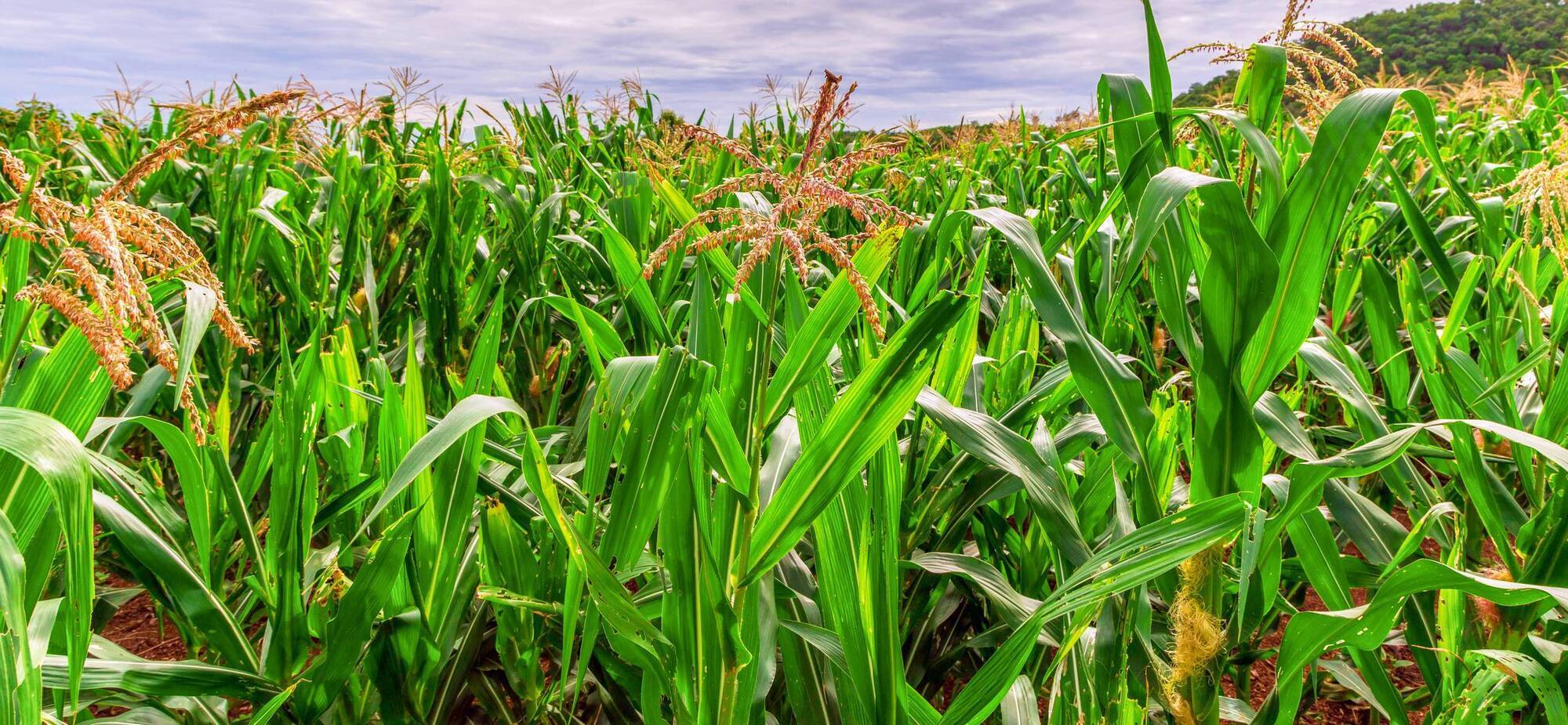
Maize silage and wholecrop cereals can be useful for providing high DM and starch contents.
If this winter ever ends, we will need to start planning for next winter sooner rather than later. I have always encouraged the growing and feeding of alternative forages for both beef and dairy production, and all over the winter and into this spring, I have been discussing this more and more with all of my nutrition customers when I speak to them over the phone or during farm visits.
The high costs and unreliable weather are, in particular, making grass silage, be it on owned or rented land, very expensive. Furthermore, if grass silage quality is poor, then it makes it even more expensive as getting animal performance from that silage requires increased supplementation.
Bar the odd few herds, very few have turned cows or cattle out to grass yet, and this is putting pressure on fodder reserves along with disrupting grazing plans, which will have a knock-on effect when the second round is due to commence. However, we must now start to look at next winter's forage supply. Grass growth is slow around the country as the ground is so wet, and virtually no fertiliser has been applied yet.
As we head towards early March, our attention should turn to grass silage production for next winter. A large proportion of silages made on Irish farms each year are not fit for purpose and are not suitable for the animal performance required.
Grass silage will remain expensive this year, and unfortunately, its quality can be variable depending on weather, cutting date and grassland management/reseeding policy.
Absolutely, you must plan to make top quality each year, but it doesn’t always work out, and perhaps it is best not to put all of your eggs in one basket going forward.
Maize silage and wholecrop cereals provide high DM and Starch contents. For many of my customers, there has been further confirmation in the last two years that Maize silage, in particular, is of better value and provides significantly better animal performance than diets based on grass silage.
In previous years, when herds fed extra maize to cows due to the low availability of silage, it opened their eyes to the huge merits of having more maize silage and perhaps less grass silage. Other alternative feeds, such as fodder beet, are also excellent energy sources well worth considering to improve feed efficiency on farms.
The addition of a second forage source along with grass silage to a milker's diet or beef finisher diet will increase forage Dry Matter intake by between 10 and 15%. This will result in reduced concentrate inputs being required.
The key here is that if we grow or buy these forages, then we must be prepared to cut our silage early and aim for top quality. This will make it possible to reduce concentrates significantly for next winter and into spring 2025 without compromising on animal performance.
We need to get beyond cost per acre, cost per tonne and even cost per tonne of Dry Matter. What we must value our forages by is their cost per 1,000UFL of utilised feed. That way, we can compare the energy supplied by each feed that we buy or produce on the farm.
When we look at current input prices to grow crops, obviously grazed grass still remains the most cost-effective feed. With current costs accounted for with regard to inputs to grow crops, maize silage, whole crop, and beet work out significantly cheaper per 1,000UFL utilised on your own ground, and if the ground is rented, then the gap widens further with grass silage working out at a very high cost.
In fact, grass silage per 1,000 UFL has the potential to be as much as 30% more expensive for first cuts vs maize and beet and up to 50% more for second cuts.
It may only be March, but we now live in a very different world. Plan now for next winter and calculate the tonnages required for the number of animals you will have.
Feedback from last week's article, highlighting the high Mycotoxin risk in 2023 produced forages, was very interesting. Many farmers have contacted me to say that they didn’t realise that their silages could have been the source of some of the animal health and poor performance issues they have experienced over the last few months.
Farmers need to have joined-up conversations with their nutritionist and vet when experiencing these issues to come to a successful solution as soon as possible.
- Brian Reidy is an independent ruminant nutritionist at Premier Farm Nutrition.