E.coli mastitis - rapid action is required when lives are at risk
Studies have shown that older, more conditioned, higher-yielding cows are more predisposed to E.coli mastitis.
My veterinary version of the mid-term break was sadly not spent on the slopes or basking in the sun in Tenerife... wishful thinking. Perhaps instead, it was spent treating cows with Acute E.coli mastitis on farms.
The wet weather over the past few weeks has certainly not helped with preventing cases. It is one call in practice that may not sound like it’s an emergency; however, time is of extreme importance to stop the progression of the infection.
The severity of this disease is because endotoxins are released from the bacteria that colonise the udder and cause toxaemia. It can make a cow very sick incredibly quickly, and unfortunately, it can be fatal.
A common presentation was very similar to a cow I saw last Tuesday night, she had calved the previous day, she was unable to get up, running a high temperature of 39.8 degrees and her respiratory rate was increased.
Of course, there was the swollen quarter with a yellow straw-coloured discharge that was far from the appearance of normal transition milk. Some cows can have cold extremities also and have a low temperature on examination.
Studies have shown that older, more conditioned, higher-yielding cows are more predisposed to E.coli mastitis, which is probably not surprising, seeing that they are also more prone to milk fevers, which impact on udder health and immune status.
Around calving is a time when the cow's immune system is compromised, and their normal defence mechanisms can become impaired. This can be heightened in these at-risk cows due to the impact of the negative energy balance on ketones and the direct effect ketones can have on white blood cell function.
It is due to endotoxin release from the exposed bacterial cell wall as the cow’s immune system destroys the bacteria. A heightened immune response in the cow that is pro-inflammatory induces endotoxic shock. The reaction can cause kidney failure and circulation failure and affect platelet function, which can have fatal consequences.
To counteract this shock mechanism in the cow, anti-inflammatories are necessary as fluids and antibiotics are the least vital components of treatment; however, they are still needed to prevent bacterial spread.
The logic behind this method of fluid therapy is that the saline solution draws water from the gut through osmosis, and it is the equivalent of giving over 30L IV. Sometimes this may need to be repeated 24 hours later.
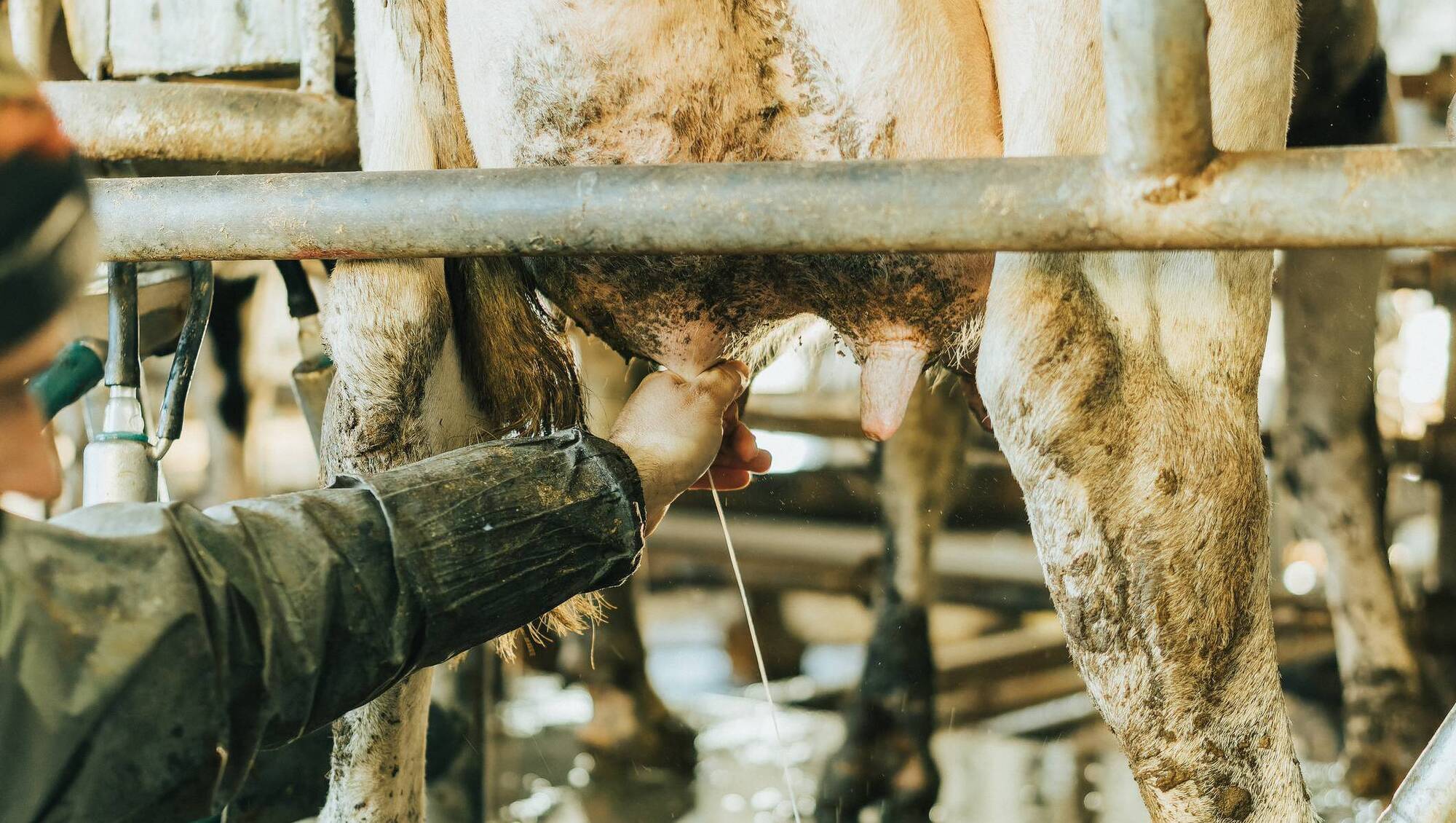
With E.coli it is essential to remove as much of the mastitis as possible, I always tell the farmer to strip the quarter every time they are passing into a container so as not to contaminate the bedding more. Lots of TLC is required for these cows, trying to get them to eat is key and making sure water is accessible to them at all times especially if they are unable to stand.
Recognising the early signs of E.coli mastitis is key for prognosis, make sure they are eating their ration in the parlour, strip out freshly calved cows, and investigate any suspect milk fever cow to rule out a concurrent infection with E.coli.
E.coli is classed as an environmental mastitis, and it won’t come as a surprise that good hygiene plays a vital role in prevention. It starts in the dry cow cubicles, making sure not to let standards drop as the spring rolls on, keep liming the cubicles twice a day and make sure that the beds are scrapped.
Bacteria can lay dormant in the udder until calving, and research has shown that up to 30 days after calving, the source of infection could have originated in the dry period.
I was listening to the Dairy Edge podcast recently, and Don Crowley recommended a barrier-type teat dip that is applied using a teat cup for freshly calved cows, which could also aid prevention.
Unfortunately, one cow didn’t make it last week, which is devasting; it shows the severity of the effects of the E.coli can have on the cow even with prompt treatment. Always consult your vet if you have any suspicion of a cow with E.coli mastitis; time is a key driver for a positive prognosis.
It was a busy week on the farm with calving, my Dad’s birthday on Valentine’s Day, and finally finishing the new calf shed. We are over halfway through the calving; where has that month gone?
- Hazell Mullins BVM BVS is a large animal vet based in Carrignavar, Co Cork.