Calf feeding 101 – back to basics
Ask yourself 'would you drink from the bucket?', if the answer is 'no" it is time to get scrubbing, writes vet Hazell Mullins.
Calves are arriving steadily on the farm now; it’s the best part of early spring, as the joy is still very much there before the tiredness creeps in later in the month.
It has been a busy week on the farm with the ongoing calving shed renovations, and it’s surreal to see the vision coming to life. The shed has seen ten new arrivals, and the increased safety element that the new gates provide is second to none. Why didn’t we do it sooner?

The calf shed is still under renovation as there were a few small delays, so we had to improvise to make old calving pens into a calf house. Now we have our gorgeous new calving shed; the old pens are obsolete and work very well as a calf shed with a few adjustments.
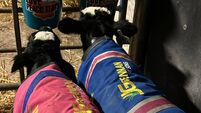
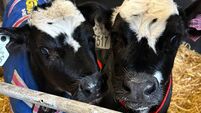
We put stock boarding across the front to block any drafts and they are all still wearing their jackets until they acclimatise to their new routine. It is sometimes very easy to make small positive changes to the calf's environment without huge cost.
The improvements on the farm are to make life a little easier this spring, allowing more time to focus on the basics of calf health.
Colostrum will always be the drum I bang on; it is so important to get that first feed right.
Feeding approximately 10% of the calf’s body weight is a good marker to use when figuring out volume. A prompt feeding from the first milking is important also as the antibodies drop by up to 3% every hour post calving.
Maintaining the hygiene of colostrum collection is vital to stop bacteria from competing with anti-body receptors in the gut post-feeding. Cleaning the teats before milking, using clean disinfected colostrum buckets or bottles and storing in a (working) fridge for less than 48 hours are easy ways to ensure low bacterial load.
Transition milk is important, especially when a scour vaccine has been used; always discuss with your vet about Johne's disease control and transition milk feeding. Bucket and feeder hygiene is up there on my priorities when it comes to feeding baby calves.
The power of simple under-the-sink staples of "Milton" and "Fairy Liquid" should not be overlooked this spring. My routine involves, rinsing with cold water first before hot water, using fairy liquid to remove any milk deposits and then the Milton to disinfect.
The cold water is a step that is key to removing the milk droplets first because if hot water is used first it can form a bacterial film on the inside of the bucket. Ask yourself 'would you drink from the bucket?', if the answer is 'no" it is time to get scrubbing.
We will be moving to milk replacer soon; this is where my love of maths comes into action. To prevent bloating in calves, it is important not to feed overly concentrated milk, unhygienic, cold, or at odd times of the day.
Consistency is key - the general rule of thumb is to feed the milk replacer at a mix rate of 125g of powder to 875ml of warm water.
This will supply the calf with 700g of solids per day, drinking 3L in the morning and evening. Keeping the mix rate below 15% (150g to 850 ml) is key for bloat prevention.
I remember when automatic feeders were first starting to be introduced to farms in Cork, there was an epidemic of callouts to bloated calves. The main causes were that the feeders were not being calibrated regularly, teats were not changed daily, and the machine wash setting was not optimised.
Thankfully, education around automatic feeders has now highlighted these potential issues, and farmers are more aware of the risk factors for bloat.
Milk replacer is a minefield; there are so many opinions and recommendations out there for farmers. My main non-negotiables when labelling are that the protein source is mostly dairy-based, fat is <20% to encourage concentrate intake, and ash is <8% as this has no added nutritional value.
For years, the only element focused on was protein percentage; it is important to be between 23-26%; however, it is important to examine the whole label, not just the huge percentage sign on the front of the bag.
Water quality is probably an element of calf feeding that we forget; testing water quality is an important element of disease prevention on farms, both for calves and cows.
Cleaning water troughs regularly is important to prevent diseases such as scour, in a Cryptosporidium outbreak faecal matter in the water trough will spread the disease like wildfire. Making sure calves have access to water from day one will encourage concentrated intakes and also help to prevent bloat.
In a busy spring period is it so difficult to think of everything, making a routine from the beginning will make these good habits become the norm. I took a break from the farm for a few hours last Wednesday to visit my primary school, Scoil an Athar Tadgh in Carrignavar, to celebrate my Veterinary Ireland presidency.
The engagement from the pupils was fantastic, their questions were very well thought out and I even got two brave volunteers to gear up ready to calve a cow.
Let’s hope I inspired a few more large animal vets and farmers in the parish. All I can say is that I am very proud to be a member of the community, and the future is certainly looking bright here in Carrignavar.
- Hazell Mullins BVM BVS, is a large animal vet based in Carrignavar, Co Cork.