According to Teagasc, around 50% of dairy cows will calve between January and the end of February.
It’s no surprise that by now, dairy farmers across the country are in the thick of it.
The Irish Examiner has spoken to farmers who are working hard and prioritising their animals’ health and welfare during this time, despite this coming after a very difficult number of months for farms.
Tough year
Irish Creamery Milk Suppliers Association chairman Denis Drennan has said that last year was a “tough year” for so many and that there is not “that spring in people’s step that there was last year with beef and milk price”.
However, there are many still “feeling hopeful”, and he is advising farmers that “there’s only so much one person can do”, no matter the position you find your farm in currently and what you feel needs to be done to improve it.
While most in farming will put the health and wellbeing of their animals first, they are being urged to make sure they not only survive the coming weeks, but make a conscious effort to look after themselves.
Mr Drennan is also advising: “People have to prioritise their health both mental and physical health and look after themselves - a health check-up, eat properly, and get themselves in the best possible shape for the start of a very tough period in the year.”
Safety
Minister of State at the Department of Agriculture Martin Heydon has urged farmers to prioritise safety during the busy calving season.
Mr Heydon said that “time spent managing farm safety is time well spent”.
Health and Safety Authority (HSA) data shows that attacks by a cow with a calf account for a third of all fatalities involving livestock.
Cows with calves were involved in more fatal incidents than bulls over the 10 years from 2014 to 2023.
Reflecting on the HSA data, Mr Heydon said: “Cows will naturally be anxious at calving time and will defend their calves, not just after giving birth, but throughout the grazing season in the case of suckler cows.
“We must be conscious of the risks when working with cows, even those we consider to be quiet animals.”
The long working hours during the calving season can also lead to tiredness, which increases the risk of an incident.
Good planning and preparation in advance of the calving season helps improve efficiencies and helps reduce the risk of an incident.
Plenty help
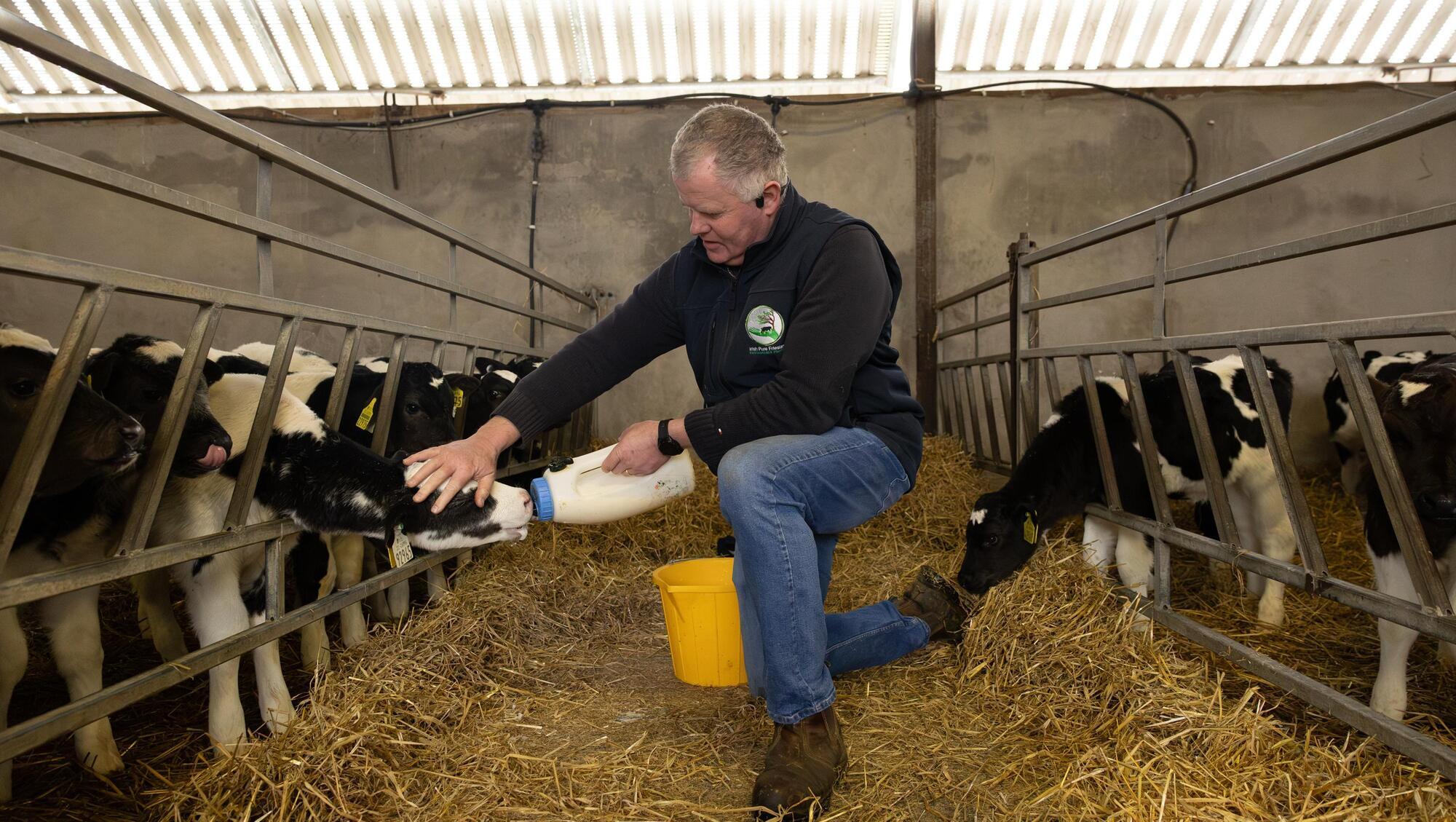
For DJ Keohane in Timoleague, West Cork, he knows well the work involved during calving and he said that during this period, it is easy to believe he “won’t leave the place”.
“Having plenty facilities and plenty help is the biggest thing. Keep the head down, keep going, that’s it,” Mr Keohane says.
His wife and kids lend a hand, along with a lad he has working with him since 2009.
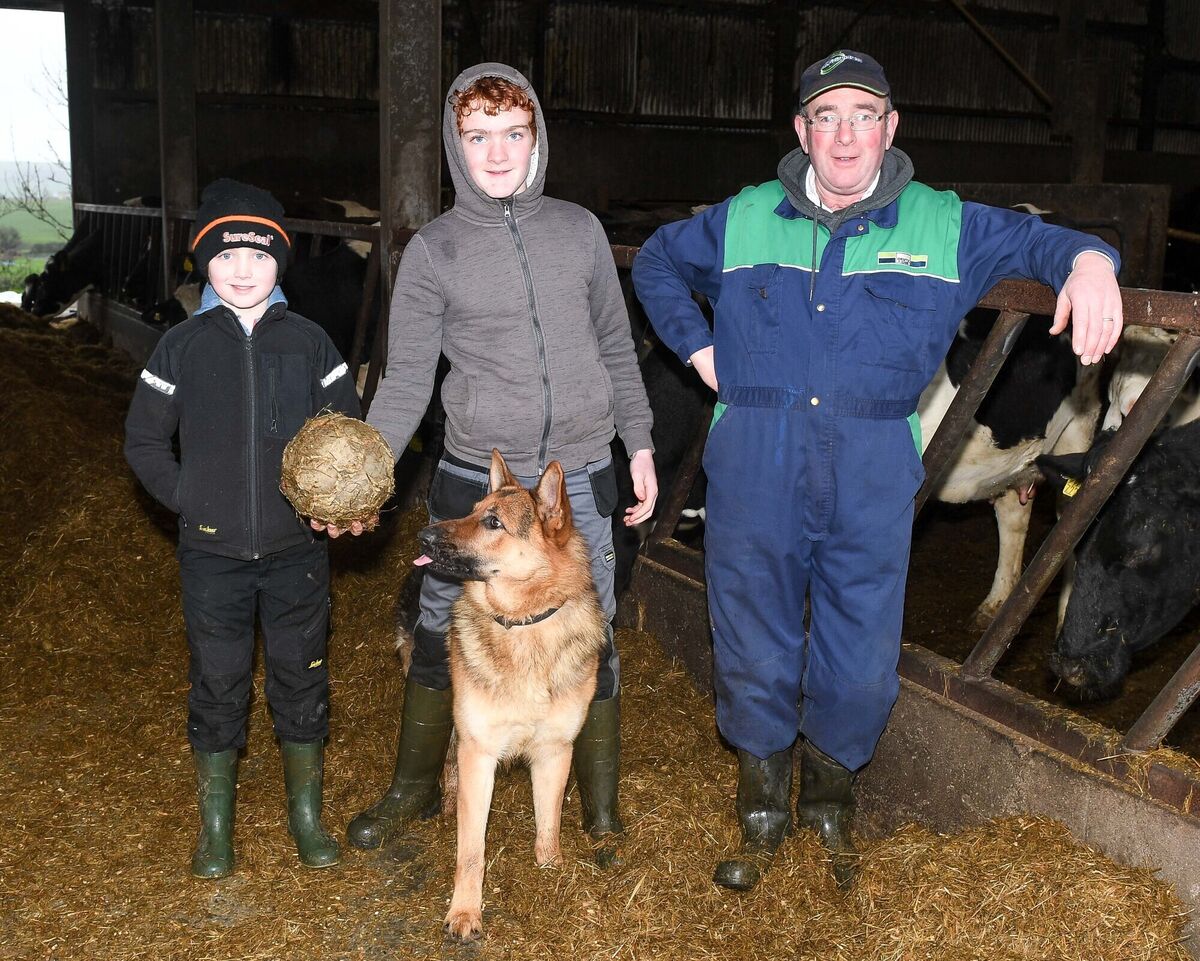
“The kids are from 18 down to nine, they help out to be fair to them. They’re looking forward to the spring with all the calves.”
Mr Keohane is farming about 200 acres, and milking about 170 cows in “dairy country” in Timoleague.
"We’d be calving about 30 cows in the autumn and the rest would be calving in the springtime,” he said.
“We have a pedigree Holstein Friesian herd.”
Self-suffiency
Mr Keohane also values self-sufficiency and grows around 20 acres of maize and five acres of fodder beet.
But no matter the level of preparedness farmers had going into 2023, it was still tough, Mr Keohane said.
From output prices to the awful weather that began in July “and it’s been raining since”, Mr Keohane said any farmer “wouldn’t want to get another year like it”.
“The bad weather, the milk price falling, and it was all the doom and gloom about nitrates — it was in our face from the word go,” Mr Keohane said.
Derogation
His farm is in derogation — he is at 250kg of organic nitrogen per hectare, “so we’ll have to cut back this year” if worse comes to worst, he said.
He feels that many family farms never could have imagined it would come to this post-2015 quota lifting.
Mr Keohane is looking forward to the new arrivals to come from the 140 calvers from mid-January on.
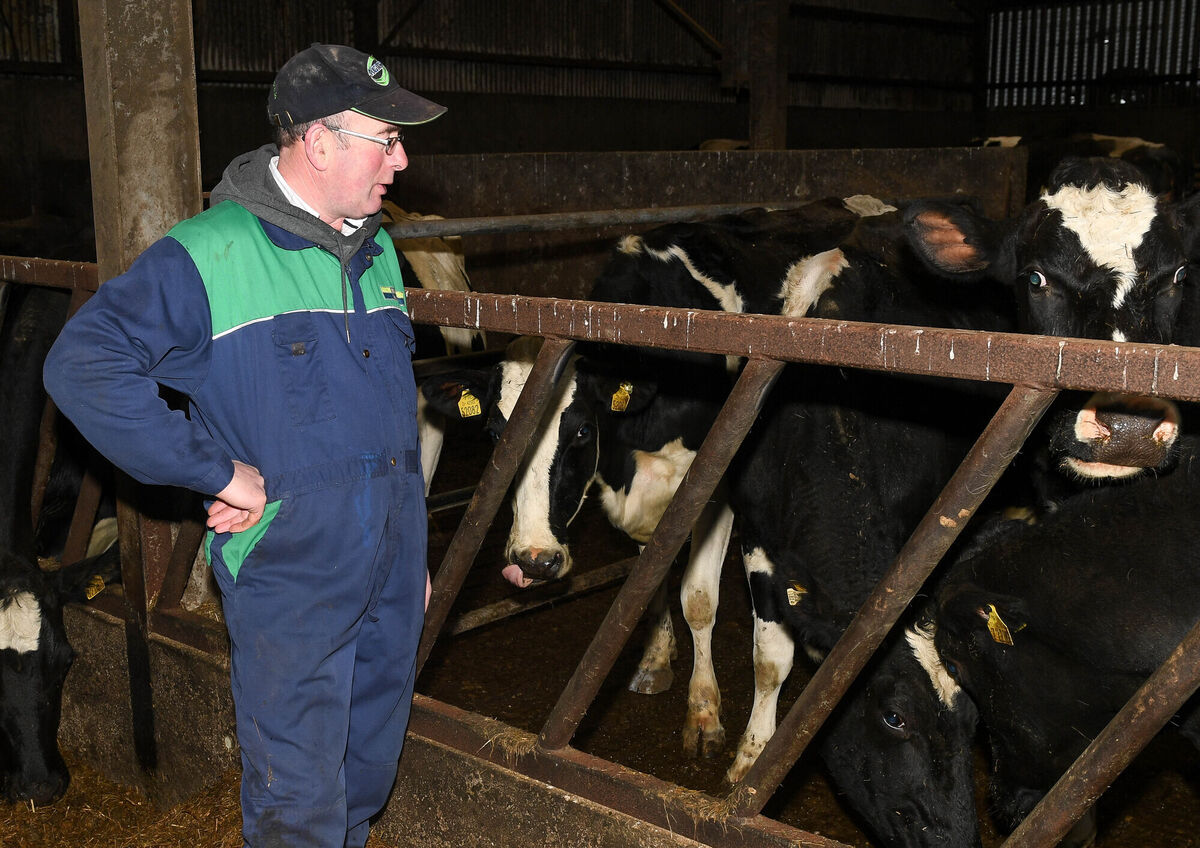
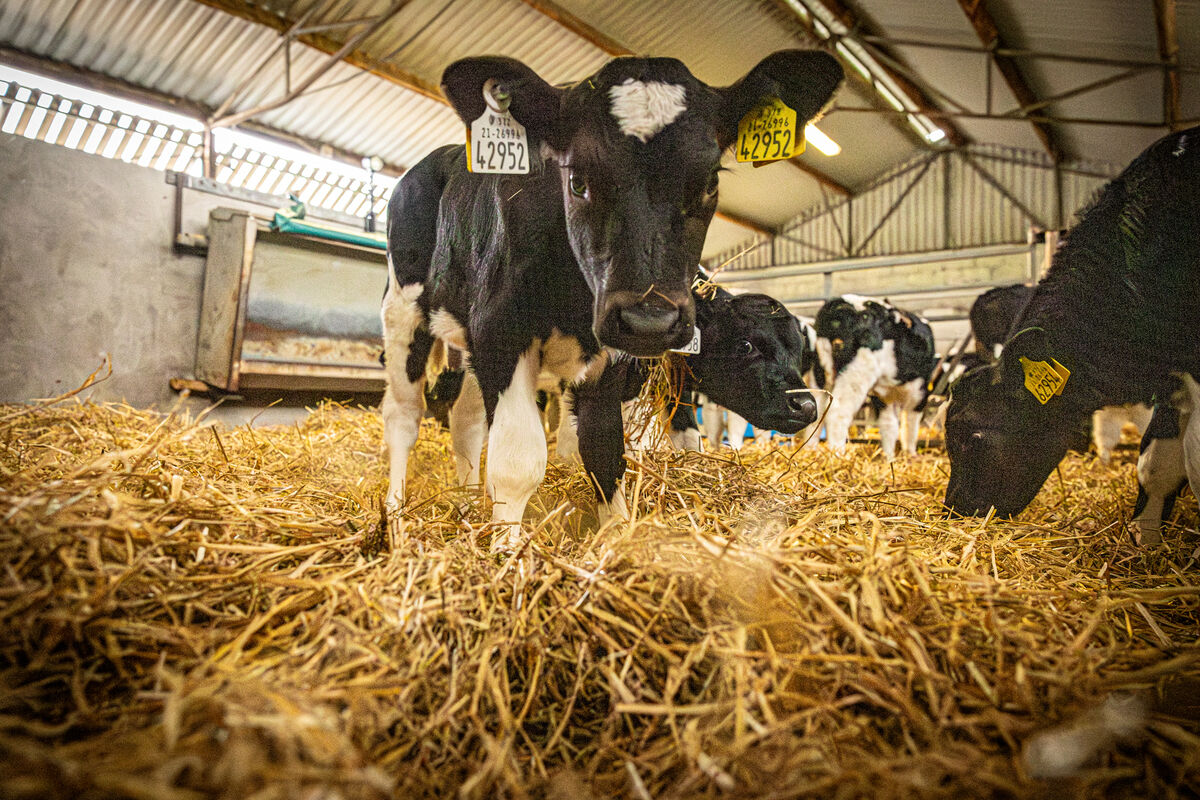
Ahead of this, he had 24 autumn calves in the calf house and they’ve been moved into the shed.
“Cows start calving and hopefully in the middle of February they’ll start to go out to grass, then the first week of April you’d be hoping the majority will be calved and you’re back into the breeding season soon after and you start it all over again,” he said.
Planting the beet, planting the maize around the end of April, your silage the middle of May.
“October calving begins again, cut the maize, winter’s coming then so you must have your houses ready and up to Christmas, drying off the spring cows.”
Hungry year
In terms of fodder, the farm has been “tight”.
“Cows were in late in October so a lot of silage was used by Christmas,” he said.
“In a typical year, the farm would be fairly sufficient, last year we had 150 bales left over at the end of the winter and they were all gone by the summer. We never stopped feeding during the summer last year.
“We were feeding maize all the way through, some of the time we fed silage, it was just a hungry year.”
A difficult year was made all the more difficult with farmers “weary” from the constant criticism related to the environment.
Embracing change
“The perception has changed, especially towards dairy farmers,” he said, despite them having “embraced change as best they can”
“I’ve joined ACRES, planted trees and hedges, we use trailing shoe for low emission slurry spreading, people are starting to use protected urea, we’ve built slurry storage, farmers have done their best to embrace it all,” Mr Keohane said.
Farmers are making a genuine effort to comply and we’ve been thrown under the bus environmentally.
In terms of other technologies, Mr Keohane said he hasn’t used sexed semen yet, but can see the need for it going forward on many farms.
He sells bull calves for export around three weeks of age, and said that looking ahead, the farm would be looking at keeping the calves “a little bit longer”.
However, he fears for some dairy farms that “there is no welfare benefit to the calf in keeping calves longer”.
Calf welfare
The welfare of male dairy calves came under increased scrutiny in the past year.
A consultation was recently launched on a new action plan focused on highlighting the potential of dairy calf-to-beef systems as an option for farmers.
According to professor Frank O’Mara, Teagasc director, the “building blocks are in place now to improve the beef merit of the calf crop from the dairy herd”.
This is a result of the “progress that has been made in the use of sexed semen, and the advances in genetic tools such as the Dairy Beef Index and the Calf Beef Value, coupled with the new genotyping programme”.
The ICMSA’s Denis Drennan said that the dairy calf to beef initiatives are “hugely positive”, but there is work to be done by all in industry.
“There’s work to be done on the dairy farmer side to produce a calf that’s fit for purpose, there’s work to be done on the beef farmer side to get better performance through better nutrition, better grassland management,” he said.
According to the new action plan, approximately 275,000 straws of sex-sorted semen were available for the 2023 breeding season, with this number expected to increase in 2024.
The AI industry “has reported significant increases in the use of beef AI in dairy herds with a corresponding reduction in the use of dairy AI (driven by the adoption of sexed semen)”.
Next steps in this area for industry include targeted communication to dairy farmers this spring to incorporate sexed semen into their plans for generating
replacement heifers, and to provide clear communication on the optimum strategies to use sexed semen technology.
Replacements
Martin Crowe is farming in Doon in East Limerick, milking 200 cows, on 350 acres.
Embracing the technologies out there, he uses about 100 sexed straws to get 50 Friesian heifers on the ground to rear as replacements.
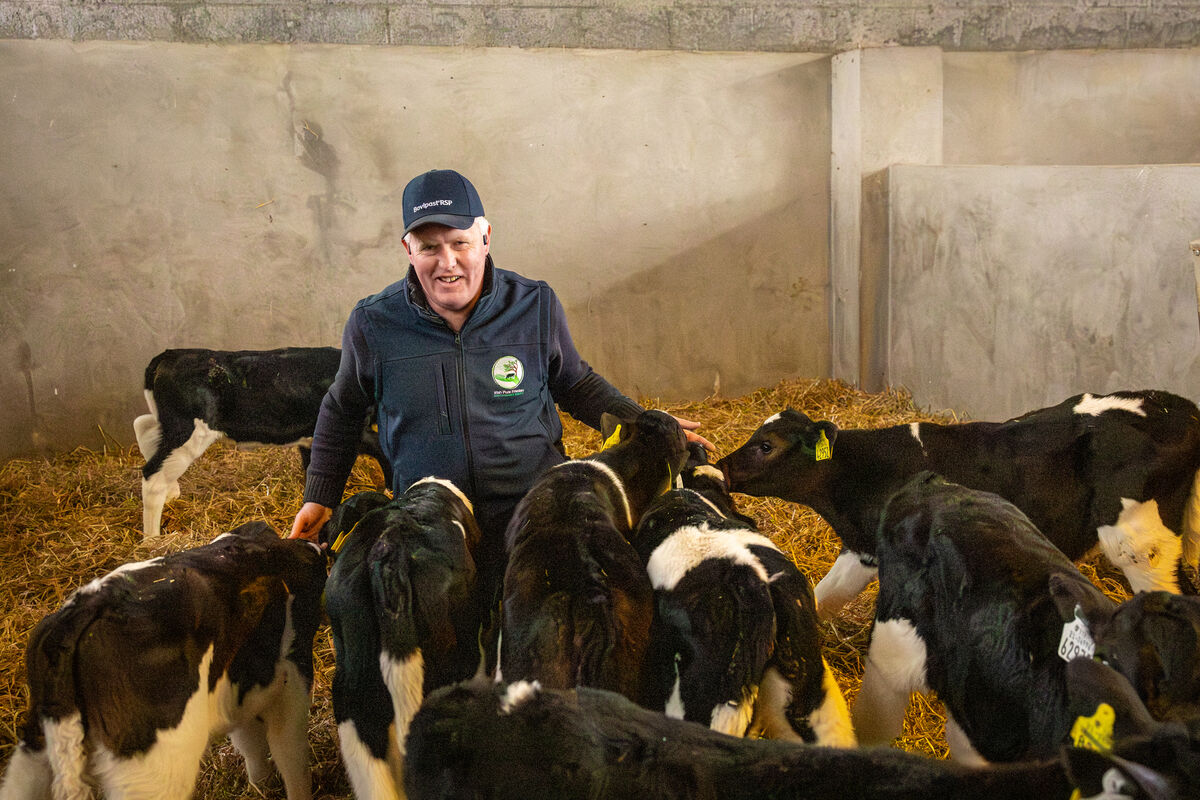
“Almost everything else is bred to beef including most of the repeats, thereby I get my replacements from my best cows and have them early to give them every opportunity to hit their target weights for breeding 15 months later,” according to Mr Crowe.
“I have used a lot of Belgian Blue for the last few years - they have a short gestation, calve mostly on their own, calves are good to drink and my calf buyers are very happy with them, especially coming off a pure Friesian cow.”
'Disaster'
Not everything can be planned on the farm though, as Mr Crowe, who also works as an agricultural consultant off-farm, says that 2023 had months that could be described as a “disaster”, as the “milk price was bad and weather was terrible”.
“We did our first cut of silage in end of May / early June, next thing it started raining and didn’t stop,” he said.
"Only for we got a fine week in September we took the second cut and the third cut in as one cut.
“We were lucky to get it. Glad to have it, feeding it to dry cows now at the moment, they’re getting on fine with it.
“The cows came in early, I put them dry in November where normally they were dried off in December.
“Hoping for better this year.”
However, he said, he is “lucky enough with the nitrates” compared to many other farms across the country as a result of the European Commission’s recent decision as a result of water quality.
“I have a nice bit of land, most of it leased in but I’m on 165/170kg the last couple of years. I hope to stay down in that area,” he said.
“I had previously been in derogation, I didn’t have all the land I have now. When I got the opportunity to get out of it, I said I’d go.
“The 250/220kg divide crosses right through the middle of my farm as well – it would have been tricky enough if I had to go down that road.
“It’s a lot easier to manage out of derogation. There was a lot more compliance work involved in derogation farming.”


Cancel anytime