Good feeding management and shed considerations
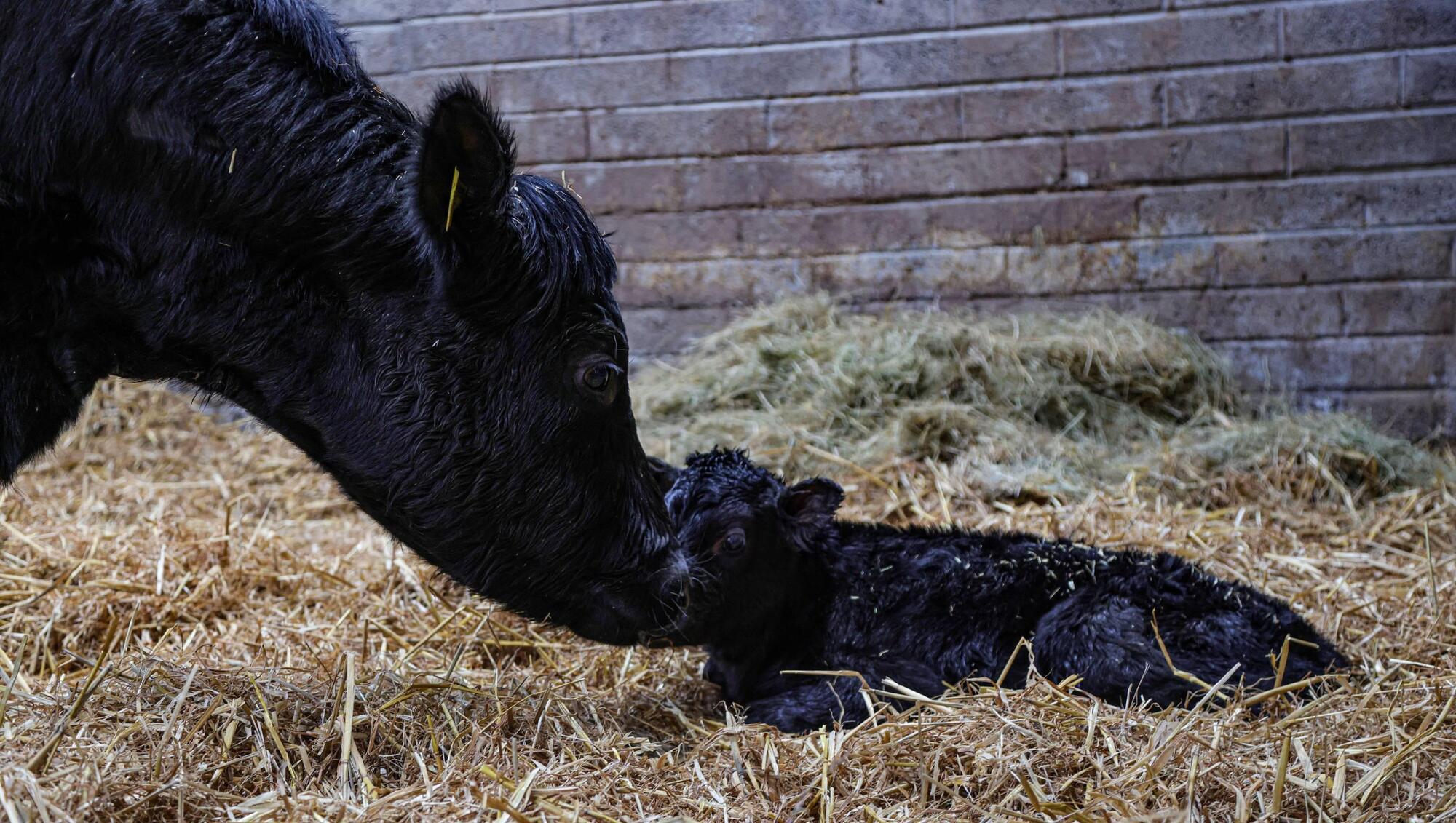
Cows that have a smooth transition into lactation and peak yield have less metabolic disorders, remain healthy, produce better quality milk and ultimately are easier to get back in calf. Picture: Valerie O'Sullivan

One really important thing that can't be overemphasised is the transition from the close-up dry cow period into the early lactation stage.
Cows should remain on their dry cow diet until after they have calved. I have had a few calls from farmers lately looking for help regarding issues of digestive upsets and displaced abomasum in fresh cows and heifers. In all cases, these herds had started to feed all or some of the milker's diet as much as 2 weeks before calving.
It is not good preparation for transitioning cows to their lactation and will increase the risk of digestive complications and metabolic disorders significantly. By all means it is good practice that cows close to calving get some concentrates, but this must be balanced correctly for fibre, energy, protein, and most importantly minerals. Aim to feed no calcium and feed high levels of magnesium along with sufficient phosphorous. Ensure minerals are high in appropriate vitamins and trace elements required by the soon-to-calf cow. Expanding rumen capacity and producing sufficient quality colostrum are the two main jobs in this period of the cow's production cycle.
One of the biggest influences on fresh-cow intake is your feeding management. How often and how regular is your feeding? Is it ad-lib silage plus parlour feeding or is it a TMR system?
Forage clamp management is very important as the better you look after the pit face, the fresher the feed you offer your cows.
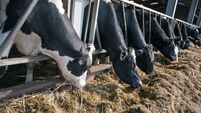
Fresh cows are the most vulnerable, least competitive animals on your dairy farm. Because of this, they will avoid situations that force them to compete for their feed, and that reduces feed intake. This applies to feeding, drinking water, and also to accessing cubicles. Space at the feed barrier is critical as is the design and construction of the feed barrier. What type of barriers suits your system?
If you diet feed, then you need less barrier space than if you are top dressing with some concentrates. Clean water is so important when encouraging feed intake. Cows that drink clean water, drink more water and as a result, they will eat more food. As we all know, cows are at their most productive when they are lying down and chewing the cud. With this in mind, a critical part of your feeding management must include a clean dry cubicle for every cow with a few spare spaces ideally. A cow must chew the cud for approximately 30 minutes for every kg of Dry Matter consumed, so every minute counts. Ensuring that the cubicles provided are fit for your herd is a job well worth investigating. Do cows lie down quickly after mounting the cubicle? Do they lie far enough up the cubicle so that they are comfortable? Remember that, in order for your mature cows to be using cubicles correctly, it is expected that up to one third of your cubicles will have some dung on them. The dung is usually from the smaller/younger cows in the herd. Now dung on cubicles means mature cows are likely to be edging over the back of the cubicle and are not comfortable, may be prone to more injuries and ultimately be less productive. If cows don’t lie down quickly and there is no dung on cubicles, then it is likely that the neck-rail is too close to the rear of the cubicle.
- Keep fresh feed available at least 22-23 hours per day.
- Regular feeding and push-ups will encourage cows to visit the feed barrier more often.
- Provide at least 20 to 24 inches of feeding space per cow.
- TMR feeding requires less and top dressing will require more.
- Deliver feed at the same time each day ideally.
- Push up as many times as possible each day.
- Clean feed passages and troughs regularly as required.
- Never put fresh feed on top of old or stale feed as it spoils the new feed and depresses intake as cows spend too much time sorting and selecting.
- Keep fresh, clean water available at all times.
- Clean out troughs daily- a lot of tip over troughs have been installed for this reason.
- Water troughs should be positioned in easy-to-access areas of the shed where cows are not being bullied or trapped. Avoid positioning them in dead ends or too close to the feed barrier.
- Monitor feed refusals. Fresh cows should refuse about 5 percent of their feed each day.
- Take away stale feed after 24 hours and provide fresh feed to encourage intakes.
- If you feed too much today, then take note of volumes and reduce tomorrow to reduce waste.
Feeding techniques as above are useful to help tweak dry matter intake in the first two to three weeks after cows calve. It can help your fresh cows achieve success during lactation.
Cows that have a smooth transition into lactation and peak yield have less metabolic disorders, remain healthy, produce better quality milk, and ultimately are easier to get back in calf. Those factors all drive profitability!