New crackdown on wildlife crime
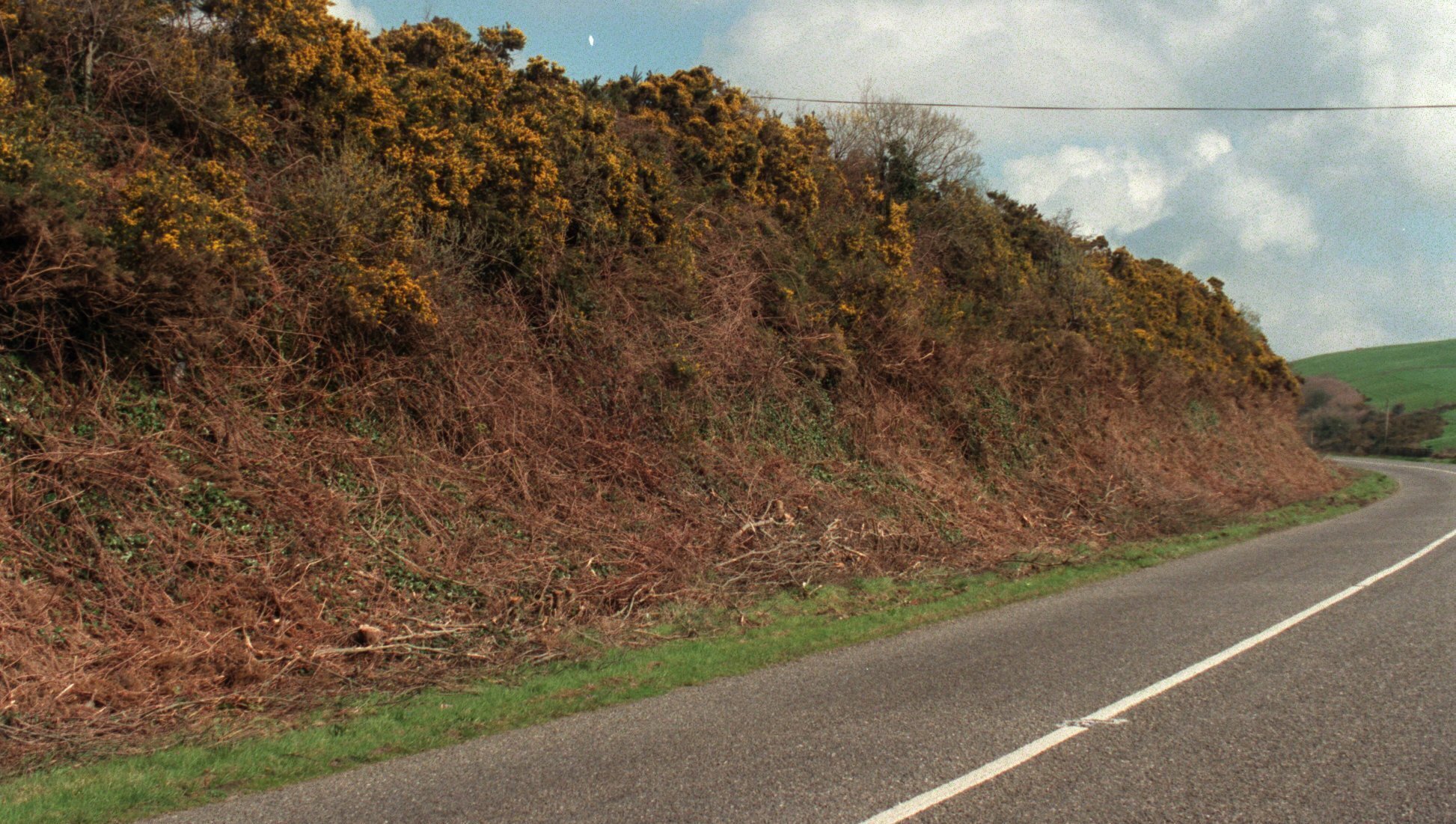
Wildlife crimes also relate to the unlawful destruction of vegetation in hedgerows and the illegal burning of vegetation within the restricted period.
A crackdown on wildlife crime, which saw 43 prosecutions in the courts last year, is set to intensify during 2024.
The National Parks and Wildlife Service has recruited additional staff to tackle the issue on the ground in collaboration with An Garda Síochána.
Detecting, preventing, and enforcing wildlife crime is being strengthened through the extra staff, along with training and other supports and enhanced cooperation with other authorities.
A joint protocol with gardaí has been in place since 2021, with ongoing strategic liaison on issues and the development of training, knowledge and information sharing events.
The 43 prosecution cases for alleged breaches of wildlife legislation in 2023 were revealed in data from the new Wildlife Enforcement and Nature Protection Directorate within the NPWS.
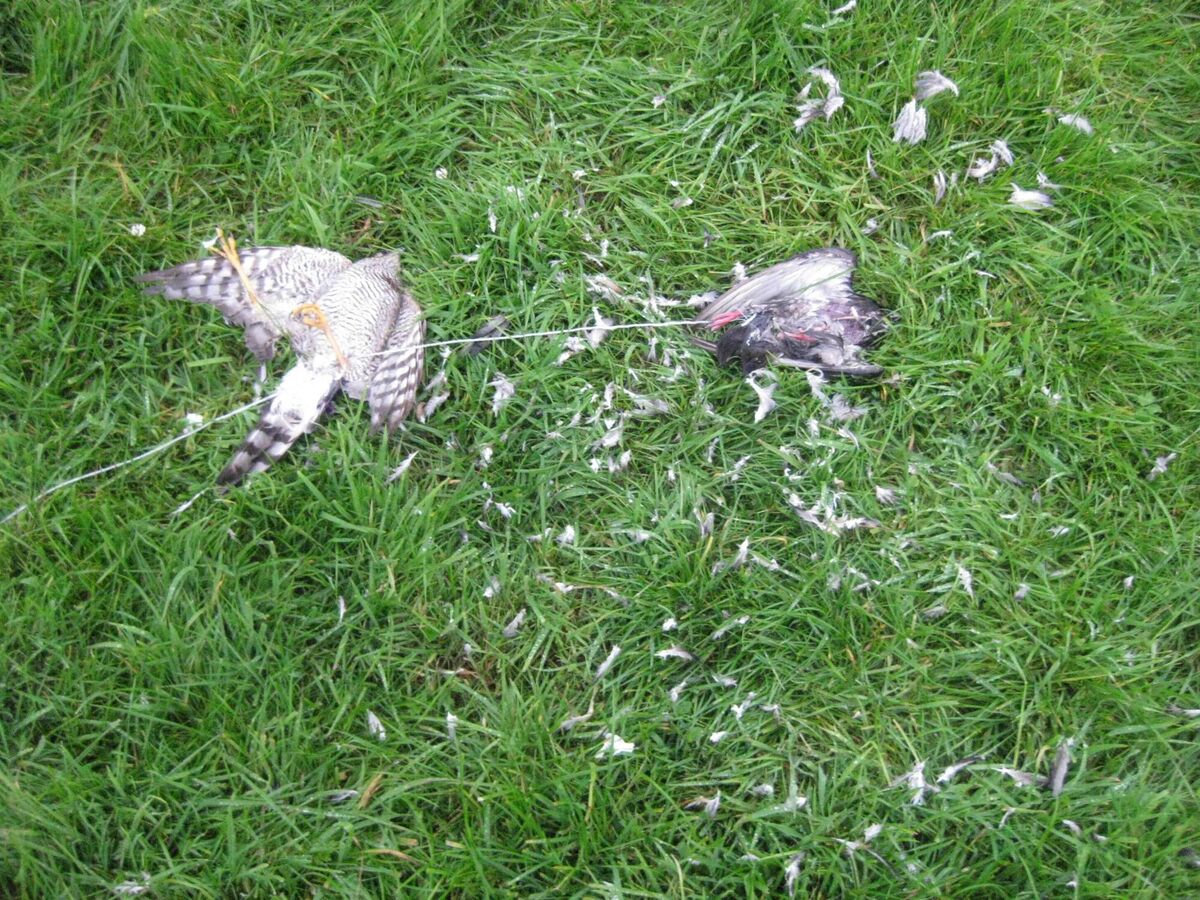
Wildlife crimes reported ranged from the disturbance of bats, illegal hunting, such as hare lurching, and badger digging.
They also related to damage caused to Special Areas of Conservation, unlawful destruction of vegetation in hedgerows, and the illegal burning of vegetation within the restricted period.
There was a 39% increase in subsequent prosecution cases for breaches of the Wildlife Act submitted by the NPWS staff to the Chief State Solicitor’s Office.
These 43 cases rose from 30 in 2022 and brought the number of successful prosecutions from 2020 to 112.
Minister of State for Local Government Malcolm Noonan said NPWS staff work throughout the country to address wildlife crime and enforcement.
“This issue is being taken very seriously by the State, as we have seen through increasing fines and convictions.
“Legislation and regulations help to protect our biodiversity, health, and our future, and we must all adhere to them.
“Citizen reporting is an essential element in safeguarding nature and to help prevent wildlife crime. I would call on anyone who witnesses wildlife crime to get in touch with the NPWS or An Garda Siochána,” he said.
NPWS director general Niall Ó Donnchú said the prosecutions successfully closed by NPWS since 2020 have seen numerous convictions and record fines imposed on the defendants for offences against nature.
Some of the successful cases resulted in a conviction and fine for the destruction of a badger sett. One company was fined €8,000 for damage caused on a Special Area of Conservation.
In another case, a company was found guilty pf 11 breaches of the Birds and Habitats regulations and fined a total of €31,000.
The number of successful prosecution cases taken by the NPWS is just one aspect of activities undertaken by it to tackle wildlife crime.
It also undertakes targeted patrols at different times relating to fires, unlawful hunting of hares and deer, at different times, depending on the species and habitats being protected.
Engagement locally by NPWS conservation rangers, education and outreach programmes and other legal instruments such as ministerial directions to restore damaged habitats can also address and prevent wildlife crime.
If a suspected wildlife crime or a possible breach of wildlife legislation has taken place, reports can be made to the local NPWS office or to the Wildlife Enforcement Support Unit in NPWS or to gardaí as appropriate.
Justice Minister Helen McEntee was asked by Fianna Fáil TD Seán Haughey in the Dáil before Christmas if she would introduce a dedicated animal crime unit.
She replied policy and legislation surrounding animal health and welfare rests under the remit of the minister for agriculture. One of the NPWS strategic goals is to safeguard nature and to help prevent wildlife crime.
Anyone who suspects a wildlife crime has been committed can contact their nearest NPWS Conservation Ranger or via email or via email to wildlifeenforcement@npws.gov.ie Further details are available on the NPWS website.
Ms McEntee said local authorities also have specific powers regarding animal welfare under a range of acts, relating to the control of dogs, animal health and welfare.
A person may still also make a report to their local/nearest Garda station, or in an emergency by dialling 999/112.
“As minister, I am unable to seek to direct the Garda Commissioner in regard to the establishment of any Garda units, as the Commissioner is responsible for the management and administration of Garda business.
“However, the deputy may wish to be aware of my department's Rural Safety Plan, which is the result of strong collaboration between all the relevant organisations and brings together the excellent work already underway in relation to rural safety,” she said.
Ms McEntee said the plan was not intended to replace, but rather supplement, this work. The vision of the Rural Safety Plan is for people and communities in rural Ireland to feel safe and be safe in their homes, their places of work, and their local environments.
“One of the five areas covered by the plan is that of animal crime,” she said.