Targeted mineral supplementation for balancing 2023 silages
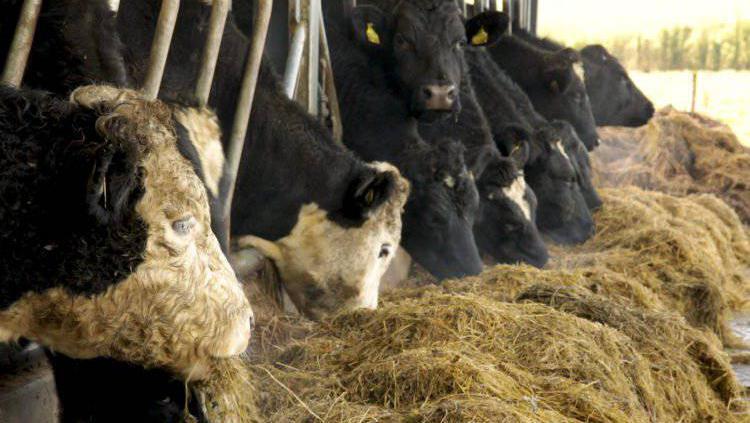
Silages are not great so it is even more important to get an analysis before formulating diets for this winter.
Testing silages over the last few weeks has given my customers and I an unwelcome reminder of the poor grass harvesting year that 2023 was.Â
Unfortunately, silages are not great and when this is the case, it is even more important to get an analysis before formulating diets for this winter. If you are feeding the incorrect ration with available silage, then over feeding of energy or protein will result in excessive costs.
Most if they test their forages, will test their silage for Dry Matter, Protein, Energy, pH etc this year and will seek advice as to how best they can balance it for their different groups of animals. Unfortunately, many producers are convinced that their silage is better than the results that they have received back from the lab or through mobile NIR. In the last few weeks, several labs have issued reports about the silages they have already tested and there are a lot of sub 65 DMD silages ut there with the average hovering below 68.
As we get closer to Christmas, it often corresponds with a transition of silages on farm, with most trying to feed bales before the busy spring season kicks off. Take care when moving over to pit silage from bales as it tends to be lower in dry matter and more finely chopped which can cause temporary digestive upsets.
Many herds are now testing for minerals in silage in order to establish deficiencies and begin the balancing process for particular animal groups. This is recommended, particularly if you have had issues with animal performance and or fertility in the past, then minerals should be one of the aspects that you investigate further. Many will cross reference forage results with blood sample analysis and get minerals formulated accordingly.Â
All of this mineral data helps to identify deficiencies on your whole farm and will help you to design supplementation which may also include what your soil requires. It will also help to explain any animal health and performance issues which may be occurring on farm.
Silage and grazed grass make up the predominant feed source on almost all Irish farms. If we know what level of minerals and vitamins a group of animals require based on, breed, age, weight, sex and productivity etc then we can formulate nutrient programmes to supply them with any elements deficient in the base forages grown on your farm.
Most farmers have a perception as to what particular mineral symptoms look like and have tried many things in the quest for a solution. It has been well established that particular areas of the country have particular mineral deficiencies. The science is now there to establish the real on farm issues.
Each mineral element has a specific or multiple function and either an excess or deficiency of one or more element will impair bodily functions such as digestion, immune response, thrive etc. Many minerals and vitamins may interact with other elements to perform important functions.
Elements such as Iron, Molybdenum, Lead and Aluminium testing high in your soil and/or forage samples can be major antagonists and lock up essential minerals, making them unavailable to your animals. If this is the case, then it is important that any mineral you feed includes protected forms of elements such as Zinc, Copper, Selenium and Manganese.
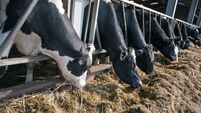
A dry cow will typically eat 8/9kg of dry cow mineral pre-calving, don’t skimp on the spec in an effort to save some money. The difference between a good dry cow mineral and a poor one could be €3 per cow which could be a very costly mistake.
One way to help achieve better animal performance, fewer animal losses and fewer vet calls may be to concentrate more on mineral supplementation. This may be of considerable use during the dry period for suckler cows and in high-performing finishing stock.
A silage mineral analysis is money well spent. Doing one every few years will give you an up-to-date mineral profile of your grass on farm. This will be of particular benefit where new ground is being harvested for silage or where forages have been bought in.Â
Feeding a cheap mineral might be a total waste of time if it doesn’t balance your forage sources. Buy a mineral based on what it will deliver to your stock rather than trying to save money by buying any old mineral.Â
The feed rate guidelines on the bag should be followed carefully. These feed rates are intended to deliver the required mineral elements for the target animals being fed. Those feeding maize silage, whole crop and Beet in particular need to make sure that they are supplementing with sufficient Phosphorous.
- Brian Reidy is an independent ruminant nutritionist at Premier Farm Nutrition.