Stephen Cadogan: EU banks urged to open their doors to farmers
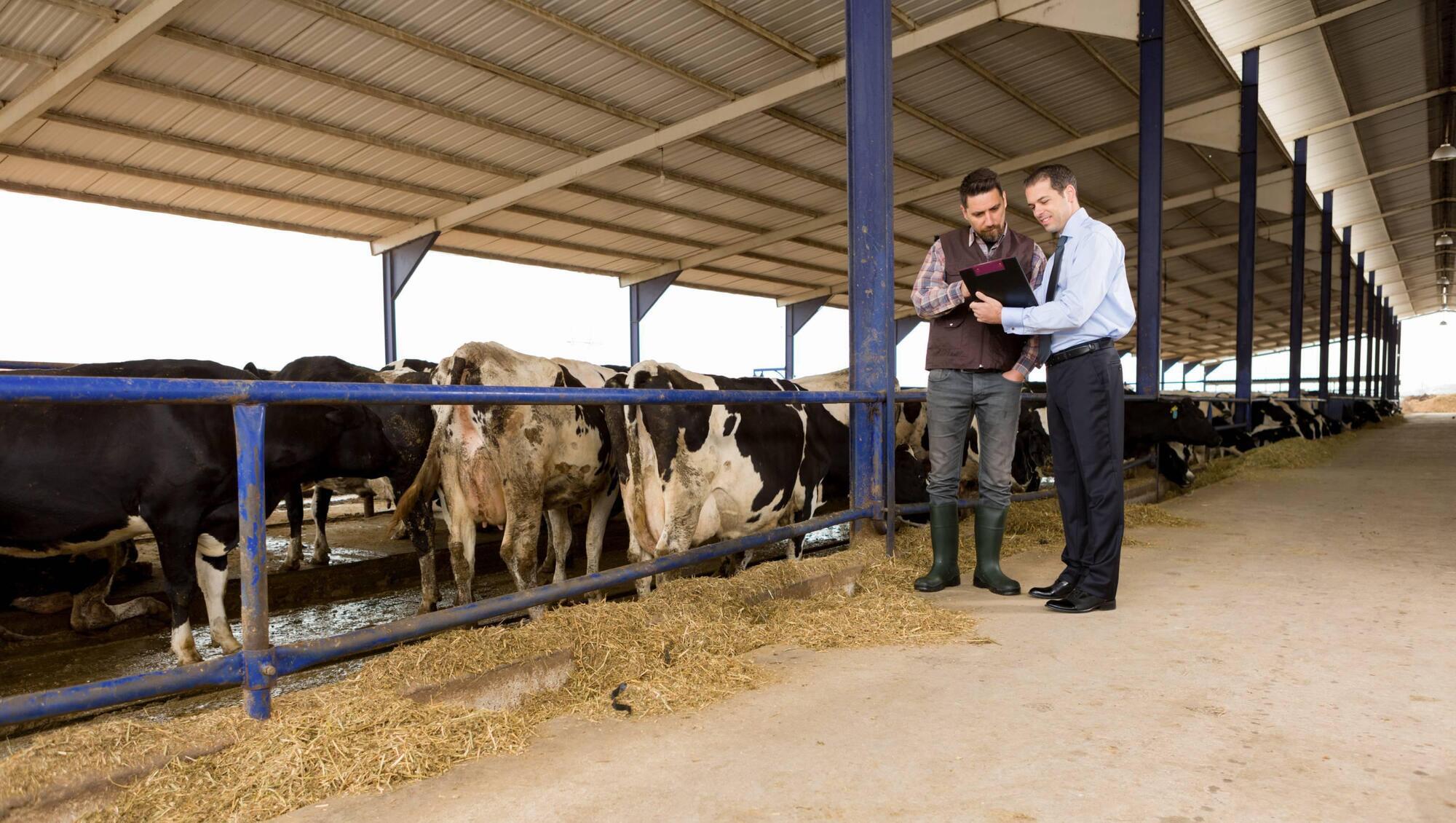
The EU Commission carried out surveys of 6,550 EU farmers (including 150 in Ireland), to discover how many economically viable farmers were unable to access bank loans.
The EU has called on banks to open their doors to farmers, after revealing the unmet demands of farmers across the 27 member states for financing by banks reached €62bn in 2022. It increased from €33bn in 2017.
The farm funding gap in Ireland reached €2.48bn, up from €1.04bn in 2017.
The EU Commission carried out surveys of 6,550 EU farmers (including 150 in Ireland), to discover how many economically viable farmers were unable to access bank loans.
"Now more than ever, EU farmers need accessible finance at good conditions", said EU Agriculture Commissioner Janusz Wojciechowski.
The EU's reports on the surveys suggested Irish farmers were hard done by, with a financing gap equal to 44% of the gross value added from Irish agriculture. This was the fourth-highest ratio, albeit greatly exceeded by the 89% in Romania, 79% in Lithuania, and 55% in Poland.
There seemed to be much fewer challenges when seeking financing for farmers in Sweden (4%), the Netherlands, Czechia (both at 6%), and Belgium (7%).
Across the EU, small farms and young farmers are found to be most affected by the lack of loans.
Mr Wojciechowski said:
He said credit rejection rates declined compared to 2017, but average loan amounts asked by farmers increased, leading to bigger amounts not being covered. Loans above seven years remained difficult to obtain, and accounted for 58% of the funding gap.
The agriculture survey showed 37% of all rejected farm loans in the EU were due to the unwillingness of banks to expand their support to agriculture. In another 20% of cases, the banks considered the loan project proposal, or the farm, as non-viable.
Commission officials noted banks across the EU are withdrawing from rural and agricultural area offices and moving to online services, and are often not specialised in agricultural lending.
"This is burdensome, especially for new agricultural business models which need financing to transition to sustainable agriculture with climate and environmentally-friendly activities".
The biggest burden is on small farmers, who account for €38bn of the €62bn funding gap, and young farmers, who account for €14.2bn.
The agriculture survey indicated €18.9bn worth of investments linked to the green transition of the agriculture sector had not been met in 2022. The loans were sought, for example, to set up organic production, increase the use of digital solutions or advanced machinery to optimise use of fertilisers, improve protection against drought and flood, or reduce energy and fuel consumption in farms.
The extent of credit applications for green investments underlined the agriculture sector’s commitment to sustainability, but also the need for policy actions to support access to finance in this area, said commission officials.
Most of the unsuccessful applications for bank loans were linked to land purchases and climate-related investments. Many climate-related investments may need long periods to ensure the investment is repaid. The commission said this could be an important credit market failure to be addressed by member states, including with appropriate financial instruments.
The European Investment Bank has also promised to help, saying it stands ready to support investments for more climate resilient and sustainable agriculture and bioeconomy sectors.
According to the EU Commission, in the case of young farmers across the EU, more than 50% of all their applications were declined due to restrictions in bank policy, whereas the corresponding rate for older farmers is 32%. Almost 30% of the young farmers rejected for financing were considered "high-risk" by the banks, against 4% for older farmers.
Surveys indicated farmers in Austria, France, Ireland and Spain, in particular, have a consistently high reliance on external finance.
Ireland was also found in the surveys to have the highest need for financing to reduce energy and fuel consumption on farms.
Surveys showed the agri-food small-to-medium-enterprise funding gap in Ireland was €107.7m in 2022, down from €204.7m in 2017. Across the EU, the financing gap for these food processing companies reduced from €11.8bn in 2017 to €5.5bn in 2022.
Along with calling on banks to help farmers, Mr Wojciechowski urged member states to open new financing possibilities, through CAP financial instruments.
But only 16 member states, mostly in the south and east of the EU, including the Baltic states, offer these in their CAP strategic plans. Farmer support from financial instruments must be repaid in part or in full.