Stephen Cadogan: European farmers urged to follow Irish model
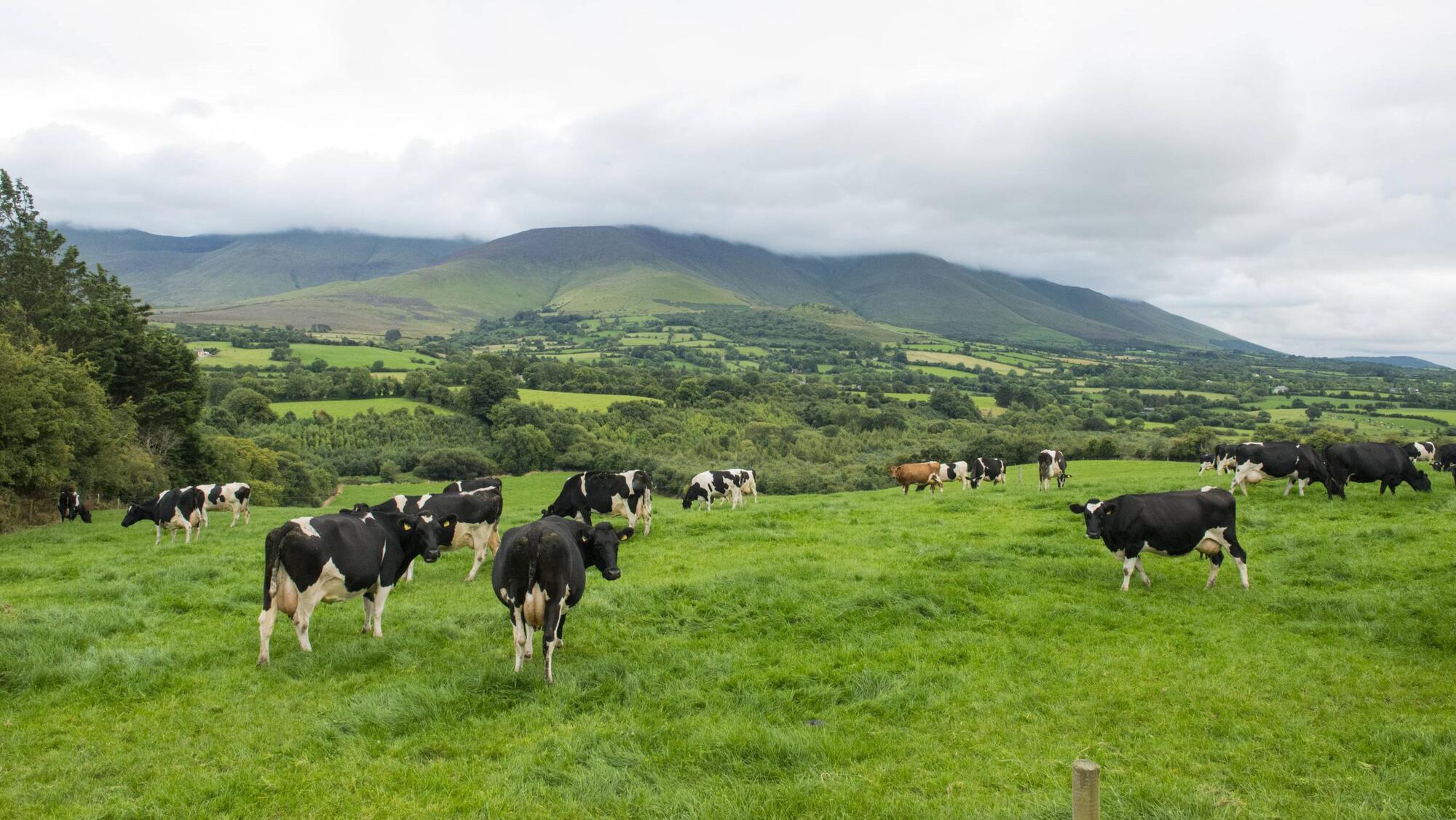
Thirty one research partners from 12 countries are helping 15 groups of livestock farms reduce their environmental footprint. Picture: iStock
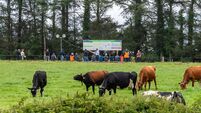
Even as pressure comes on Irish grass-based farming for environmental reasons, livestock farmers are being helped by the EU to feed their animals more on grass, in order to cut their environmental footprint and ensure high-quality foods.
There is a move away from the environmental and social costs of the grain-based cattle diets which grow animals faster and which traditionally produced cheaper meat and milk.
The grains are often imported from far-away countries, adding transport emissions to their cost. Some of the grain crops are cultivated on land created by cutting down tropical forests, further contributing to climate change, releasing carbon stored in trees, and causing biodiversity loss. And these grains cut into much-needed supplies of food for people worldwide.
Now, a €9m EU-funded project called Pathways promotes more sustainable agricultural practices, including pasture-based farming. It runs for five years, until the end of August 2026.
Farmers in the project have created a special meat and dairy label to inform consumers of the pasture production method and its health benefits, which include lower fat and higher vitamin levels.
Pathways include British, German, Italian and Swedish livestock farmers, feeding some of their herds grass-based diets, albeit with some grains fed also.
Other environmental benefits claimed for grass are that grazing animals return nutrients to the soil through faeces and urine, and such pastures can absorb carbon from the atmosphere, especially if agroforestry is practised.
In total, 31 research partners from 12 countries are helping 15 groups of livestock farms reduce their environmental footprint. The partners include the Arla Foods dairy company in Denmark, Danone Nutricia Research in France, Ghent University in Belgium, and the Switzerland-based Research Institute for Organic Farming.
The thinking behind the project is that farmers must supply more food as populations grow, by sustainable methods with minimal environmental impact, while ensuring food safety and animal welfare.
Consumer preferences, diet choices, and willingness to pay will be researched. Life cycle emissions and economic analysis of trade and supply chain impacts will also be part of the project.
Economic sustainability of the livestock sector in the EU will also be investigated — whether feeding cows grass offers farmers more than environmental benefits, for example, if they can sell their products at a premium price.
Of course, for Irish farmers, it is all like "teaching grandmother to suck eggs". Grass is the secret of Irish livestock farmers, particularly milk producers, because we can grow up to 14 tonnes per hectare of grass per year (measured as feed dry matter).
Some of our ideas come from New Zealand, also pasture based with seasonal calving and grazing pasture throughout the year. Despite relatively low average milk yields, lower input costs keep the dairy industries globally competitive in Ireland and New Zealand.
It is not surprising that continental Europe is latching into such ideas, such as the Pathways farmers relying more on grass.
Dairy farmers in most EU countries complain that their traditional indoor-based production is not competitive at the milk prices of recent years. Utilising grass better would be a profitable move, in areas that can grow grass.
Nor is it surprising that one of the continent's best known pasture-based farms could be described as an Ireland-New Zealand joint venture.
Grasmilch Brandenburg, 60km west of Berlin, owned by Irish brothers Paul and Stephen Costello, produces 100% grass-fed milk. Since 2014, they modernised the farm to carry about 850 New Zealand-bred dairy cows which graze 10 months, with two months on silage.
In November 2021, the farm won the Ceres Award for Sustainable Agriculture in Germany, with praise for its reduction in imported feeds, grassland sequestering more carbon, and lower energy requirements because cows are outside.
The farm uses New Zealand agricultural technology, including Gallagher fences and a Waikato Milking Systems 60-bail rotary parlour. But the farm also uses a lot of Irish products, such as water troughs from Murphy Concrete Products, McHale balers, Wilson engineering bale transporters. Many of the farm's cows came from Ireland. Feed supplements from Terra Nutritech and Shamrock Enterprises are used.
The cows average 440 kg of milk solids, for a targeted 800kg of concentrates (but more than 900kg was fed last year, due to drought hitting grass growth). However, grass growth in 2021 was 13.3 tonnes of dry matter per hectare.
The cows are bred using LIC genetics from New Zealand and are 50% Holstein and 50% Jersey, much smaller than German cows.
Farm manager Kevin Kearns from Co Cork has said: “I think there is a lot of potential here for the German farmers to set up a more New Zealand-like system, but they just need the help and they need the advice on it.”
Farmers come from all over the EU to see how it is done at Grasmilch Brandenburg.
The 735-hectare farm is unique to the state of Brandenburg, producing pasture-based milk for local consumers.