'Disappointing' vote on Dutch calf imports could have 'large impact'
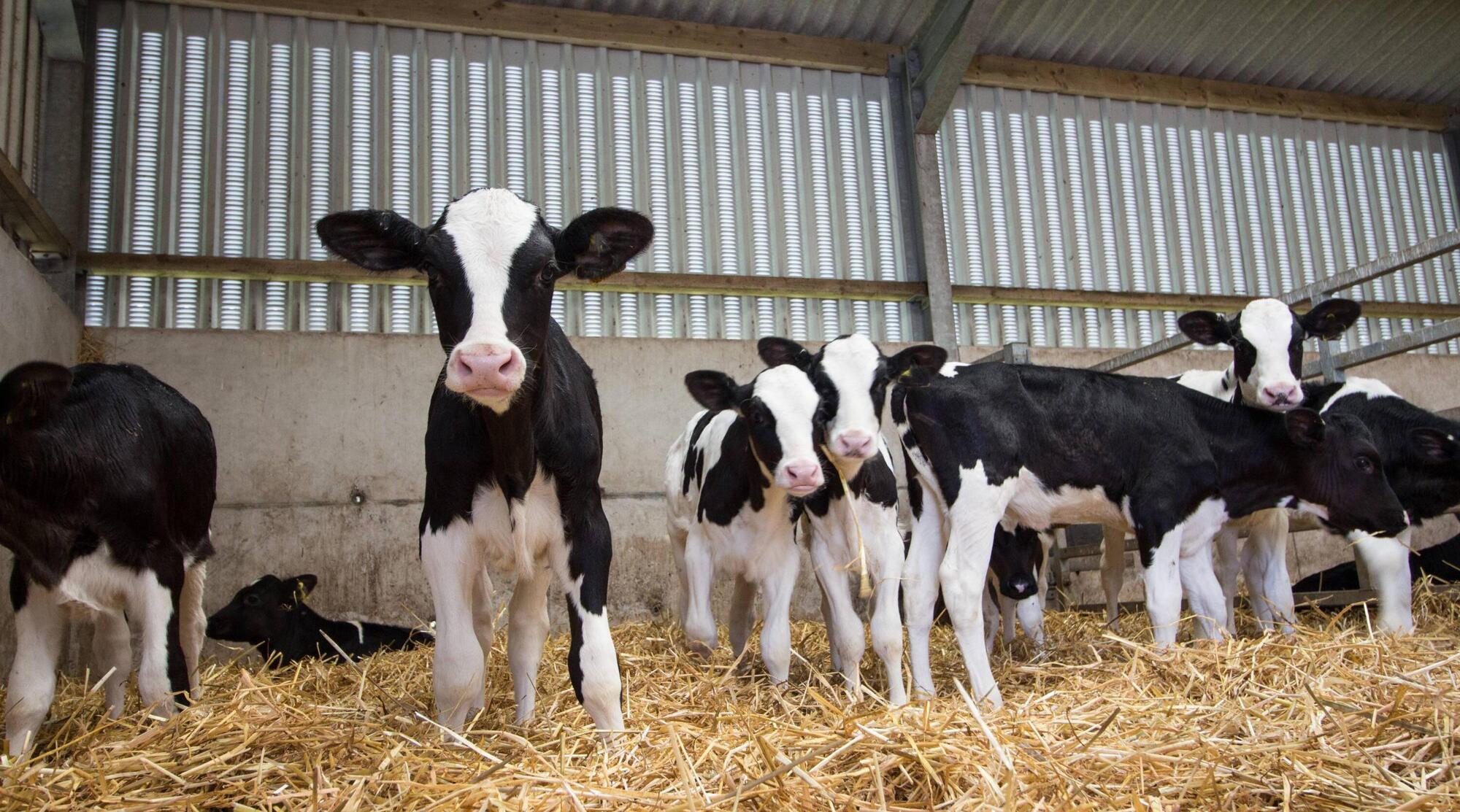
A ban on calves would have a 'large impact' for Ireland’s farms, leading to an extra 100,000 calves in the system 'that have to be facilitated here or have to be exported somewhere else'.
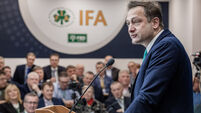
A ban on the import of calves to the Netherlands would be “disappointing” for Ireland's agriculture sector which produces “top quality” animals, Irish Farmers’ Association dairy chairman Stephen Arthur has said.
Mr Arthur spoke of the concern in Ireland now following the majority of the House of Representatives in the Netherlands recently voting to ban the import of calves to the country, through a motion brought by Leonie Vestering of the Party of the Animals.
The Dutch government is now being asked to come up with a plan to enact such a ban following the Dutch parliament’s vote, with no timelines yet set around this and the expected ban itself.
Mr Arthur told the he visited the Netherlands last September, and saw that “our calves are arriving very robust”, and the Irish calves being reared on Dutch farms require less antibiotic usage than calves being reared there from other countries.
Adding the Dutch “can’t get enough” Irish calves, Mr Arthur feels politicians are “chasing ideals, they’re not using the science and facts” and questioned whether a ban would stop at calves or extend to older animals — “what’s next?”.
A ban on calves would have a “large impact” for Ireland’s farms, Mr Arthur said, leading to an extra 100,000 calves in the system “that have to be facilitated here or have to be exported somewhere else”.
“Farmers have grasped the idea of breeding better calves, usage of sexed semen has gone up, and it’s going to go up even further,” Mr Arthur added.
The National Dairy Beef Welfare Scheme in Ireland aims to “increase the economic and environmental efficiency of the beef from the dairy herd, and to facilitate further the integration of the dairy and beef sectors by providing support for farmers who are rearing progeny from the dairy herd”.
The National Dairy Beef Welfare Scheme 2023 is a successor to similar schemes in 2021 and 2022, has a budget of €5m, and is funded from the Brexit Adjustment Reserve.
Mr Arthur said Government needed to provide as much support through calf welfare schemes as possible to "make it worthwhile to feed the calves", and "encourage farmers to rear them".
Addressing a conference in Brussels during the summer, ICOS livestock and environment executive Ray Doyle highlighted the "essential importance" of live animal transport for Ireland.
ICOS said the "European single market can provide equal opportunities for all member states, while at the same time prioritising optimum animal welfare standards which are also essential for the transport of live animals".
"These objectives aren’t mutually exclusive," Mr Doyle said.
"It’s essential that facts, science, and our absolute commitment to animal welfare should be recognised and underpin the capacity for live exports. We have all of the tools, resources, and expertise to provide this in and from Ireland.
"Our livestock industry prioritises the welfare of live cattle during international transportation."